America's Most Widespread Wild Cat
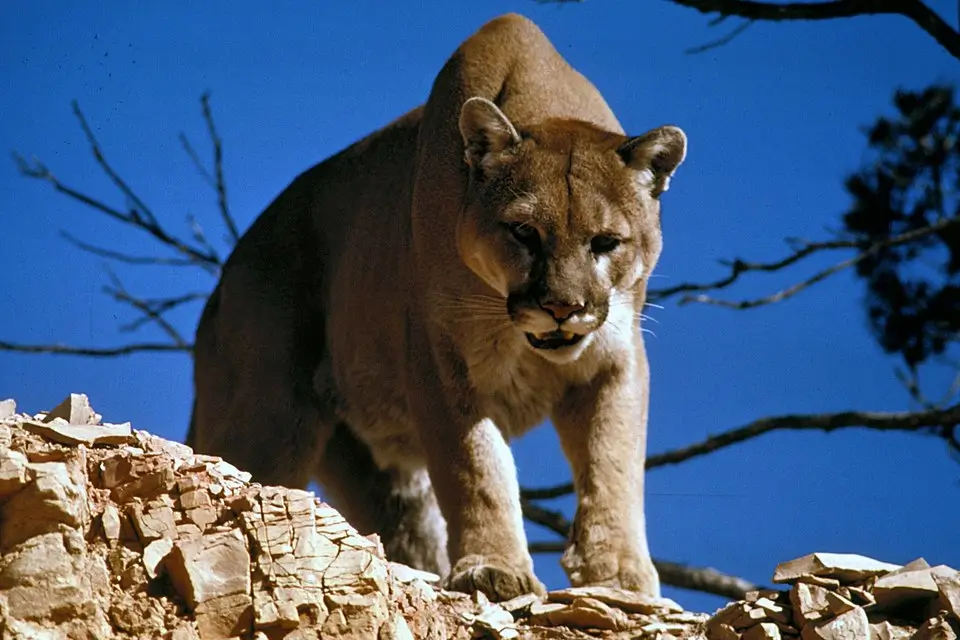
Few animals capture the imagination quite like the cougar. Known by more names than almost any other mammal in the Western Hemisphere — mountain lion, puma, panther, catamount, and painter among them — this magnificent felid has long inspired both awe and respect among hunters, wildlife biologists, and outdoor enthusiasts alike. Scientifically classified as Puma concolor, the cougar holds a singular place in North American wildlife history as the continent's largest native cat and one of its most adaptable predators.
From the dense forests of the Pacific Northwest to the sun-baked desert canyons of the American Southwest, from the swamps of Florida to the rugged hill country of Texas, the cougar has demonstrated an extraordinary ability to persist in wildlands both remote and surprisingly close to human civilization. Its elusive nature and solitary habits have earned it a near-mythological status in hunting culture and wildlife conservation circles alike. To encounter one in the wild — whether you are a hiker, a rancher, or a big-game hunter — is an experience that leaves a lasting impression.
This article explores the biology, behavior, range, and hunting traditions surrounding one of North America's most iconic predators, with particular attention to its presence in the vast and varied landscape of Texas.
Biological Traits
The cougar (Puma concolor) belongs to the family Felidae and is the second-largest cat in the Americas, surpassed only by the jaguar. Despite its impressive size, the cougar is more closely related to smaller cats than to lions or tigers, and notably, it cannot roar. Instead, it communicates through a repertoire of vocalizations that includes whistles, chirps, growls, hisses, and a distinctive, unsettling scream that has startled many a night camper in the backcountry.
Adult male cougars are substantially larger than females. Males typically weigh between 115 and 220 pounds, though exceptionally large individuals have been recorded beyond that range, while females generally weigh between 64 and 141 pounds. Body length from nose to the tip of the tail can reach eight feet or more in large males. The tail itself is long and heavy, accounting for roughly one-third of total body length, and serves as a critical balancing tool during high-speed pursuits and athletic leaps.
The coat of a cougar is typically a uniform tawny-brown to grayish color on the upper body, with lighter, cream-colored fur on the underside, chest, and around the muzzle. Cubs are born with spotted coats, which fade as they mature — a characteristic they share with several other wild cat species. The face features dark markings around the muzzle and distinctive dark-tipped ears, giving the cougar a quietly expressive appearance.
Cougars are obligate carnivores and apex predators. Their primary prey varies by region but most commonly includes white-tailed deer, mule deer, elk, and bighorn sheep where those species overlap. They are ambush hunters of the highest order, relying on stealth, patience, and explosive bursts of speed and power rather than prolonged chases. A cougar can leap horizontally up to 40 feet and vertically up to 15 feet, making it one of the most athletically gifted hunters in the animal kingdom.
Females reach sexual maturity at around two to three years of age and can produce litters of one to six cubs, with two to three being most common. Cubs remain with their mother for approximately 18 months to two years, learning the critical hunting and territorial skills they will need for survival. Once independent, young cougars may disperse over vast distances in search of unoccupied territory — a biological fact that contributes significantly to the species' wide range and occasional appearances in unexpected locations.
Habitat & Range
The cougar boasts the largest natural range of any terrestrial mammal in the Western Hemisphere. Puma concolor is found from Canada in the north all the way through Central and South America to the southern tip of Patagonia. Within the United States, established cougar populations are most robust in the western states, including California, Colorado, Montana, Idaho, Oregon, Washington, Nevada, Arizona, and New Mexico, as well as Florida, where the critically endangered Florida panther — a recognized subspecies — persists in the southern part of that state.
Texas occupies a particularly interesting position in the cougar's North American range. The state's vast size — covering more than 268,000 square miles and representing the largest state in the contiguous South — provides a diverse mosaic of habitats that can support cougar populations. The Trans-Pecos region of far West Texas, with its rugged mountain ranges, deep canyons, and expansive desert terrain, is considered the heart of cougar country in the state. Areas such as the Davis Mountains, the Guadalupe Mountains, and the wild country along the Rio Grande corridor provide ideal habitat: rocky terrain for denning and ambush, sufficient prey populations, and vast stretches of country with limited human disturbance.
Cougars are notably habitat-generalists, capable of thriving in deserts, forests, swamps, grasslands, and montane environments. What they require above all else is sufficient prey, adequate cover for hunting and denning, and enough territory to establish home ranges. Male cougars maintain large home ranges that can span dozens to several hundreds of square miles, overlapping with the smaller ranges of multiple females.
Texas's borderland with Mexico — formed naturally along the Rio Grande, as it runs through the Mexican states of Chihuahua, Coahuila, Nuevo León, and Tamaulipas — plays an important role in the broader regional ecology of cougars. Animals move fluidly across this international boundary, connecting populations on both sides and contributing to genetic diversity.
Hunting Information
The cougar holds a unique and historically significant place in American hunting tradition. In the era of westward expansion, mountain lions were widely hunted as threats to livestock and game populations, and bounty programs were common throughout the 19th and early 20th centuries. As wildlife management evolved and ecological understanding grew, cougar hunting transitioned into a regulated sport in many states, managed as a game species with controlled seasons and harvest limits.
In Texas, the situation is distinctly different from most western states. The cougar is not classified as a game animal under Texas state law. According to information provided by the Texas Parks and Wildlife Department (TPWD), there are no specific regulated hunting season dates listed for cougar in Texas, and no specific license requirements are detailed for the pursuit of this species in the state hunting framework. Texans and visitors interested in hunting cougars — or understanding the current legal framework governing their take — are strongly encouraged to consult directly with the Texas Parks and Wildlife Department for the most current and accurate regulations, as wildlife laws can change and vary significantly depending on land ownership, location, and circumstance.
It is worth noting that Texas is home to one of the largest private land hunting cultures in the nation. Much of the cougar habitat in West Texas exists on private ranches, and land access and management agreements play a significant role in how wildlife, including cougars, are encountered and managed in that part of the state. Hunters and landowners in cougar country are advised to stay current with TPWD guidance and any local ordinances that may apply.
For hunters in other western states where cougar is managed as a game species, hunting methods traditionally include the use of trained hounds, spot-and-stalk techniques in open terrain, and calling. Cougar hunting with hounds is considered one of the most demanding and traditional forms of big-game hunting in North America, requiring skilled dogs, experienced guides, and often rugged backcountry travel.
Conservation
The conservation story of the cougar in North America is, in many respects, a success story. Once persecuted to near-elimination across much of the eastern United States and heavily reduced throughout the West, cougar populations have rebounded significantly over the past several decades thanks to more enlightened wildlife management policies, the elimination of bounty systems, and growing recognition of the ecological value of apex predators.
Cougars play a vital role in maintaining healthy ecosystems. As top-order predators, they help regulate deer and other ungulate populations, which in turn benefits vegetation, smaller wildlife species, and overall habitat quality. This concept — known in ecological science as a trophic cascade — underscores why maintaining viable cougar populations is important not just for the species itself but for entire ecosystems.
In Texas, the cougar's future in the Trans-Pecos region is tied to the health of the broader Chihuahuan Desert ecosystem, the continued availability of large private ranches that provide undisturbed habitat, and the connectivity of populations across the U.S.-Mexico border. Conservation organizations and wildlife agencies continue to study cougar movement, population dynamics, and habitat use across the Southwest to better inform management decisions.
The cougar's resilience, adaptability, and enduring presence across so much of the American landscape stand as a testament to what thoughtful wildlife stewardship can achieve. For hunters, wildlife watchers, ranchers, and conservationists alike, Puma concolor remains one of the great symbols of wild North America — elusive, powerful, and irreplaceable.