Overview
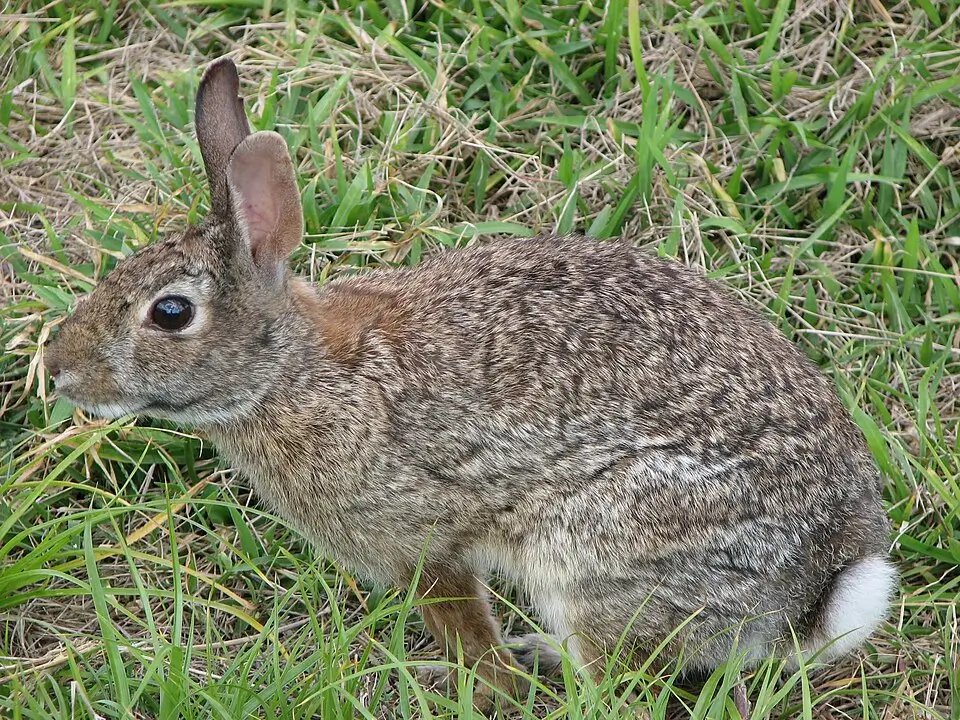
Few animals are as deeply woven into the fabric of American outdoor culture as the cottontail rabbit. With their distinctive white powder-puff tails, oversized ears, and lightning-fast zigzagging runs through brush and grassland, cottontails are recognized by almost every person who has spent time outdoors in North America. They are among the most pursued small game animals on the continent, offering accessible, affordable, and genuinely exciting hunting opportunities for sportspeople of all ages and experience levels. Whether you are a seasoned hunter introducing a child to the tradition of small game hunting or a lifelong enthusiast heading out on a crisp autumn morning, the cottontail rabbit occupies a special place in the hearts of outdoor enthusiasts.
Beyond their popularity in hunting culture, cottontail rabbits play an absolutely vital ecological role. They serve as a cornerstone prey species for dozens of predators, from red-tailed hawks and great horned owls to coyotes, foxes, bobcats, and rattlesnakes. Understanding these animals — their biology, their habits, their habitat preferences, and their place in the sporting tradition — enriches every encounter with them, whether that encounter happens in the field with a shotgun, through a camera lens, or simply while watching one feed in a backyard at dusk.
Biological Traits
Cottontail rabbits belong to the genus Sylvilagus, a diverse group of rabbits native to the Americas. The genus contains numerous species, making cottontails one of the most species-rich rabbit groups in the world. Unlike the European rabbit (Oryctolagus cuniculus), which is the ancestor of most domestic rabbit breeds, Sylvilagus species are true wild rabbits that have never been domesticated in any meaningful way. They remain highly adapted for survival in the wild, shaped by millions of years of evolutionary pressure from a remarkable variety of predators.
The name "cottontail" comes from the animal's most recognizable feature: a short, rounded tail with a white underside that resembles a small cotton ball. When a cottontail bolts from cover, that distinctive white flash is often the last thing a hunter — or a predator — sees before the rabbit vanishes into dense brush. This visual signal may actually serve a social function as well, potentially helping individuals keep track of one another during flight.
Cottontails are lagomorphs, not rodents, a distinction that often surprises people unfamiliar with mammalian taxonomy. While they superficially resemble large mice or guinea pigs, they are more closely related to pikas and hares than to any rodent. One hallmark of lagomorphs is their digestive adaptation known as cecotrophy — the practice of re-ingesting soft fecal pellets called cecotropes directly from the anus. This allows the animal to extract maximum nutrition from plant material by effectively digesting it twice, a critical adaptation for animals that subsist on grasses, forbs, and woody vegetation.
Cottontails have large, prominent eyes positioned on the sides of their head, giving them an extraordinarily wide field of vision — nearly 360 degrees in some species. This panoramic sight is a crucial survival tool, allowing them to detect aerial and ground predators with minimal head movement. Their large, upright ears are equally impressive sensory organs, capable of rotating independently to pinpoint the direction of sounds and also serving as a thermoregulatory tool, helping dissipate heat in warmer climates.
Reproduction is another defining biological trait of the cottontail. These animals are famously prolific breeders. Females, called does, can produce multiple litters per year, with each litter containing several young called kittens or kits. The young are born in a shallow nest lined with the mother's fur, called a form, and are weaned relatively quickly. This high reproductive rate allows cottontail populations to recover rapidly from seasonal hunting pressure and harsh winters, which is one reason why they can sustain healthy huntable populations year after year.
Cottontails are primarily crepuscular and nocturnal in their activity, meaning they are most active during the low-light hours of dawn and dusk. During the day, they typically rest in dense cover, a behavior that is important for hunters to understand. They are not territorial in the traditional sense but do tend to occupy relatively small home ranges, often returning to the same brushy thickets and hedgerows day after day.
Habitat & Range
The genus Sylvilagus is native to the Americas, with species found from southern Canada down through Central America and into parts of South America. In the United States, cottontail rabbits are among the most widely distributed mammals, found in virtually every state. Different species within the genus have adapted to radically different environments — from swampy bottomlands and dense eastern forests to open western grasslands, semi-arid brushlands, and even rocky mountain slopes.
In Texas, cottontail rabbits are especially abundant and well-suited to the state's diverse landscapes. Texas, covering more than 268,000 square miles, encompasses an extraordinary range of ecosystems — from the piney woods of East Texas to the coastal prairies along the Gulf of Mexico, from the Edwards Plateau and Hill Country to the vast brushlands of South Texas and the high desert environments of the Trans-Pecos region. Cottontails thrive across much of this varied terrain, taking advantage of the state's mild winters, diverse plant communities, and abundant edge habitat where different vegetation types meet.
Cottontails generally prefer areas with a combination of open feeding areas and dense nearby cover into which they can escape from predators. Classic cottontail habitat includes brushy field edges, overgrown fencerows, briar thickets, creek bottoms, woodlot margins, and areas with a mixture of grasses and shrubby vegetation. In Texas, cedar and mesquite brushlands, as well as the brushy edges of agricultural fields, provide ideal conditions for these animals.
Hunting Information
Cottontail rabbits are one of the most popular small game species pursued by hunters across the United States, and Texas is no exception. The state's vast landmass, diverse habitat, and healthy rabbit populations make it an outstanding destination for small game hunters. Hunting cottontails requires relatively modest equipment — a shotgun loaded with small shot, or even a .22 rimfire rifle for those who enjoy a more challenging shot — making it an economical and accessible pursuit.
Hunting methods vary but typically include walking slowly through likely habitat and flushing rabbits from cover, hunting with beagles or other rabbit hounds that chase and circle rabbits back toward the hunter, or still-hunting by quietly sitting near feeding areas at dawn and dusk. The use of dogs adds a particularly joyful dimension to the sport, and many hunters consider the music of a beagle pack working a fresh cottontail track to be one of the most pleasing sounds in all of outdoor recreation.
For hunters interested in pursuing cottontails in Texas, the Texas Parks and Wildlife Department (TPWD) is the authoritative source for current regulations, season dates, and licensing requirements. Hunters should always consult the TPWD's official resources and the most current hunting season dates before heading afield, as regulations can change from year to year. The TPWD website provides up-to-date information on all hunting seasons, including small game, and offers resources through both online reporting tools and mobile applications to help hunters stay compliant with state requirements.
Texas also has mandatory harvest reporting requirements for certain species, and hunters should familiarize themselves with current TPWD guidance to ensure they are meeting all reporting obligations for any game they harvest during a given season.
Conservation
Cottontail rabbits are generally not considered a species of conservation concern at a broad level, owing to their wide distribution, high reproductive rates, and adaptability to a variety of habitats. Across most of their range, populations are stable and capable of sustaining regulated hunting pressure.
That said, habitat quality is the single most important factor in maintaining healthy cottontail populations. Land management practices that maintain diverse, brushy edge habitat — particularly those that preserve shrubby cover, native grasses, and brushy corridors between open areas — are enormously beneficial to cottontails. Overly intensive agricultural practices that eliminate hedgerows, fencerows, and brushy margins can reduce local populations significantly.
Hunters and wildlife managers alike recognize that cottontail rabbits serve as an important indicator of overall small game habitat quality. Supporting programs that promote habitat conservation, maintaining or restoring native vegetation on private lands, and practicing ethical, regulated hunting all contribute to the long-term wellbeing of cottontail populations. In Texas, the TPWD works to support wildlife habitat across the state's diverse landscapes, and hunters are encouraged to engage with these conservation efforts.
The cottontail rabbit's role as both a prey species and a beloved game animal underscores the deep connection between healthy ecosystems and a rich hunting tradition. By valuing and protecting the habitats these animals depend on, hunters ensure that future generations will enjoy the same thrilling flush of a cottontail from a briar thicket on a cool autumn morning.