Overview
Few sights in the natural world capture the imagination quite like a V-formation of Canada geese cutting across an open sky. The resonant, honking calls that accompany these aerial processions have become one of the most recognizable sounds in North American wildlife. Whether you are an avid waterfowl hunter, a birdwatcher, or simply someone who appreciates the rhythms of the natural world, the Canada goose (Branta canadensis) occupies a special place in the collective outdoor experience. In Texas — a state defined by its sprawling landscapes, diverse waterways, and rich hunting heritage — the Canada goose is both a celebrated migratory visitor and a symbol of the broader flyway culture that defines much of the Lone Star State's outdoor identity.
Texas is one of the most geographically and ecologically diverse states in the nation, stretching across 268,596 square miles and bordering everything from the Gulf of Mexico to the high desert of the Trans-Pecos. This diversity makes Texas an important destination for migratory waterfowl, including Canada geese that travel through or overwinter within its boundaries. For hunters, conservationists, and wildlife enthusiasts alike, understanding the biology, behavior, and management of the Canada goose is essential to appreciating this remarkable bird and participating responsibly in the traditions surrounding it.
Biological Traits
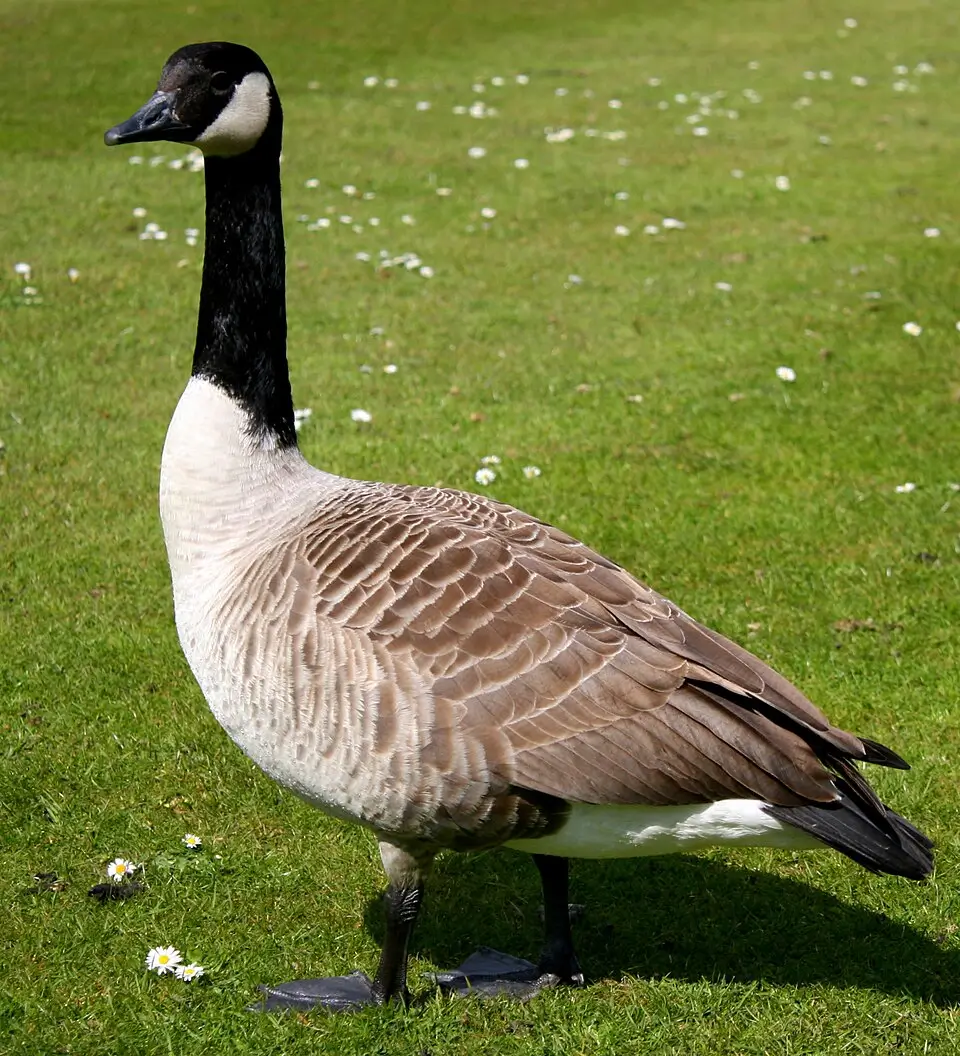
The Canada goose (Branta canadensis) belongs to the family Anatidae, which encompasses ducks, geese, and swans. It is one of the most widely recognized waterfowl species in North America, distinguished by a set of highly consistent and iconic physical characteristics. The bird features a long black neck, a black head, and a strikingly contrasting white cheek patch and chin strap. The body is typically brownish-gray on the back and wings, with a lighter, often buff-colored or creamy breast and underparts. The tail is black, and the feet and bill are also black.
Canada geese are notably large birds. While exact measurements vary considerably across the many recognized subspecies, they are generally considered among the largest waterfowl in North America. The species exhibits a degree of size variation that has led scientists to recognize multiple subspecies, ranging from the large "Giant Canada Goose" (Branta canadensis maxima) — which can weigh over 14 pounds in some individuals — to much smaller subspecies that are closer in size to some duck species.
One of the most fascinating aspects of Canada goose biology is their social behavior. These birds are highly gregarious, forming large flocks outside of the breeding season. They are well known for their strong pair bonds; Canada geese typically mate for life, and the loss of a mate is a significant event that can affect the surviving bird's behavior for an extended period. Both parents are actively involved in raising their young, called goslings, which are precocial — meaning they are mobile and able to feed themselves relatively soon after hatching.
The species is also renowned for its intelligence and adaptability. Canada geese have demonstrated a remarkable ability to acclimate to human-altered environments, including urban parks, golf courses, agricultural fields, and suburban ponds. This adaptability has been key to their population success over the decades, though it has also brought them into frequent contact — and occasional conflict — with human communities.
Canada geese are primarily herbivorous, feeding on a wide variety of grasses, sedges, aquatic vegetation, and agricultural crops such as corn, wheat, and soybeans. During migration and winter, access to agricultural fields can be critically important to their energy needs, particularly for birds that have traveled long distances. Their digestive systems are relatively inefficient compared to some other waterfowl, which means they need to consume large quantities of food and feed frequently throughout the day.
In terms of flight, Canada geese are powerful and enduring migrants. Their iconic V-formations are not merely aesthetic — they serve an aerodynamic function, with each bird benefiting from the upwash created by the wingtip of the bird ahead of it. This formation flying allows flocks to cover enormous distances with greater energy efficiency than solo flight. The birds communicate constantly during flight with their familiar honking calls, which help maintain flock cohesion and coordination.
Habitat & Range
The Canada goose has one of the broadest ranges of any waterfowl species in North America. Breeding populations are found across Canada and Alaska, extending into the northern contiguous United States. During the fall and winter months, many populations migrate southward through well-established flyways, ultimately wintering across much of the continental United States and into northern Mexico.
Texas sits at the intersection of the Central Flyway and the Mississippi Flyway, two of the four major waterfowl migration corridors in North America. This geographic position makes the state a critical wintering ground and stopover location for migratory waterfowl of all kinds, including substantial numbers of Canada geese. The diverse habitats of Texas — including coastal marshes along the Gulf of Mexico, river bottomlands, prairie potholes in the Panhandle, reservoirs, rice fields, and agricultural plains — provide ideal conditions for wintering geese.
Canada geese favor habitats that offer a combination of open water for roosting and resting, adjacent grasslands or agricultural fields for feeding, and a general sense of openness that allows them to detect approaching predators. In Texas, river systems such as the Colorado, Brazos, Trinity, and Guadalupe rivers, along with the numerous reservoirs that dot the landscape, provide excellent roosting habitat. The agricultural regions of the Panhandle, South Texas Plains, and the Gulf Coast prairies offer abundant feeding opportunities.
In addition to migratory populations, some Canada geese have established year-round resident populations in Texas, particularly around urban and suburban areas with suitable ponds and green spaces. These resident birds do not undertake long-distance migrations and represent a different management consideration than their migratory counterparts.
Hunting Information
Waterfowl hunting has deep roots in Texas, and Canada goose hunting is among the most cherished pursuits for dedicated hunters in the state. Texas offers exceptional opportunities to hunt Canada geese, particularly during the winter months when migratory birds are present across the state's varied landscapes. The traditions of goose hunting — from setting large decoy spreads to mastering the art of calling — require skill, patience, and a thorough understanding of goose behavior.
Hunters typically pursue Canada geese in agricultural fields where the birds feed on waste grain and winter wheat, as well as along the edges of reservoirs, marshes, and river bottoms where geese roost and loaf. Field hunting with layout blinds or pit blinds is a particularly popular and effective technique, as it allows hunters to blend into flat agricultural landscapes where geese are accustomed to feeding.
Goose calling is an art form unto itself, and Canada geese are among the most vocal of all waterfowl. Skilled callers can replicate the feeding chuckle, the greeting call, and the resonant honk that geese use to communicate, drawing birds into decoy spreads from great distances.
For current and specific hunting season dates, licensing requirements, and bag limits in Texas, hunters should consult the Texas Parks and Wildlife Department (TPWD) directly. TPWD provides updated hunting regulations each season and is the official source for all legal hunting requirements in the state. Harvest reporting requirements and season frameworks are subject to change based on population surveys and federal waterfowl management protocols, so checking current regulations before each season is essential for every hunter.
Conservation
The conservation story of the Canada goose is one of the great success narratives in North American wildlife management. By the mid-twentieth century, some subspecies — most notably the Giant Canada Goose — had declined dramatically due to overhunting and habitat loss. Concerted conservation efforts, including hunting regulations, habitat restoration programs, and captive breeding and reintroduction initiatives, led to remarkable population recoveries over subsequent decades.
Today, Canada goose populations across much of North America are healthy and, in many areas, thriving. The species' adaptability to human-altered landscapes has played a significant role in this recovery. Regulated hunting continues to serve as an important tool in managing goose populations, ensuring that numbers remain sustainable relative to available habitat.
In Texas, the TPWD works in coordination with the U.S. Fish and Wildlife Service and other partners to monitor waterfowl populations, assess harvest data, and establish hunting frameworks that balance hunting opportunity with long-term conservation goals. This cooperative, science-based approach to waterfowl management has been foundational to the sustained health of Canada goose populations and the hunting traditions that depend on them.