Overview
Few animals embody the spirit of wild America quite like the bobcat. Secretive, powerful, and remarkably adaptable, this medium-sized wild cat has managed to thrive across an enormous range of habitats — from the dense forests of the Pacific Northwest to the sun-baked scrublands of the American Southwest, and from the Canadian borderlands deep into the heart of Mexico. In Texas, a state celebrated for its extraordinary biodiversity and deeply rooted hunting culture, the bobcat holds a special place in the natural landscape and in the traditions of hunters and wildlife enthusiasts alike.
Known scientifically as Lynx rufus, the bobcat is the most widely distributed wild cat in North America. Despite being elusive by nature, it is far more common than most people realize. Its ability to adapt to a wide range of environmental conditions has allowed it to persist in areas where other large predators have long since disappeared. Understanding the bobcat — its biology, its behavior, its range, and its relationship with hunters and conservationists — offers a fascinating window into the ecology of the continent's wild places.
Biological Traits
The bobcat (Lynx rufus) is a member of the family Felidae and the genus Lynx, which it shares with three other living species: the Canada lynx (Lynx canadensis), the Iberian lynx (Lynx pardinus), and the Eurasian lynx (Lynx lynx). Among these relatives, the bobcat is uniquely North American, having evolved on the continent over millions of years into the versatile predator it is today.
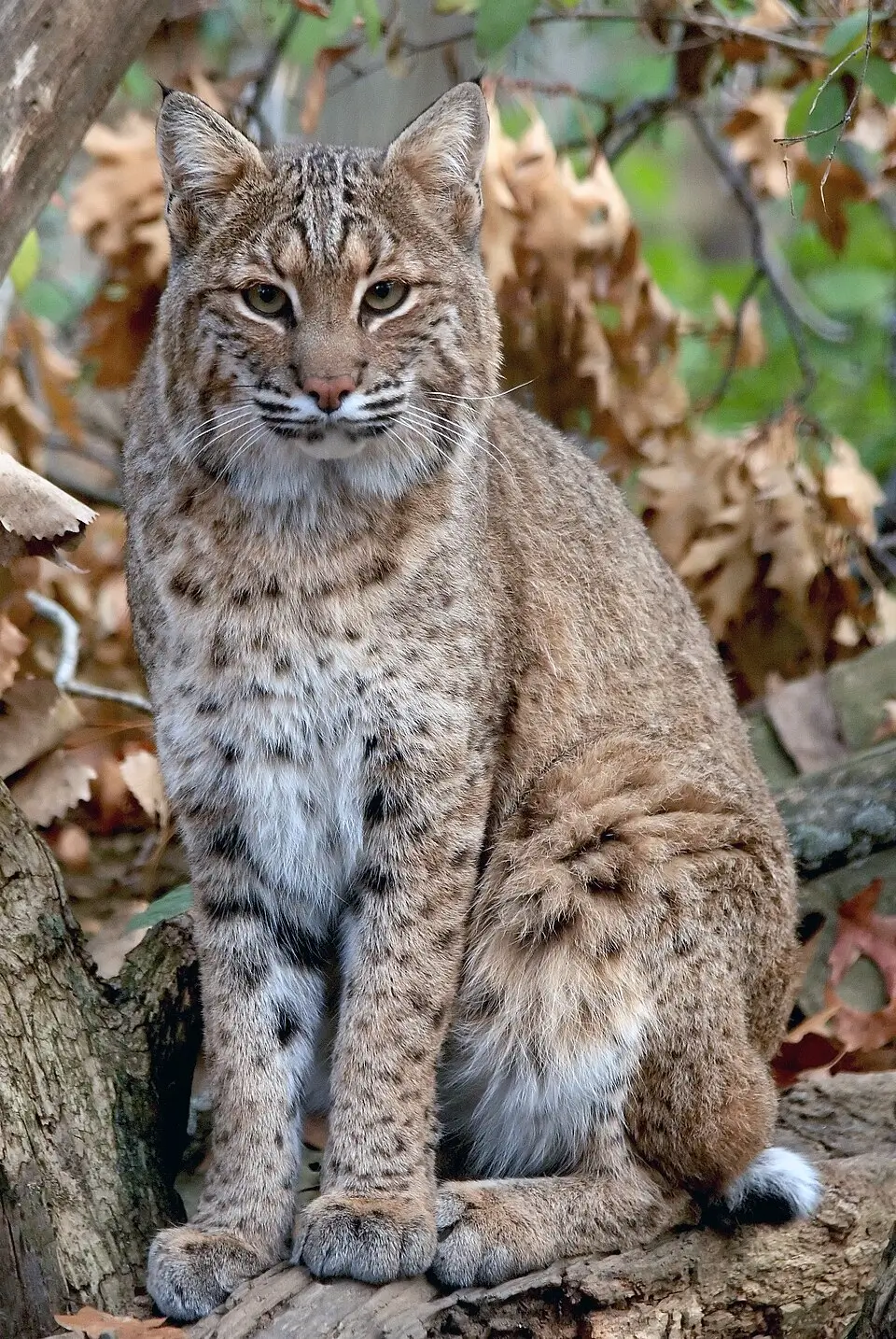
One of the bobcat's most recognizable features is its short, "bobbed" tail, which gives the animal its common name. This abbreviated tail typically measures only a few inches in length and is usually tipped with black on the upper surface and white or pale beneath — a useful field mark when distinguishing it from similar species in the wild. Its coat is generally tawny to grayish-brown, marked with dark brown or black streaks and spots that provide excellent camouflage in a variety of settings. The ears are slightly tufted at the tips, and the sides of the face are adorned with ruffs of fur that give the bobcat a distinctive, almost regal appearance.
Bobcats are considerably larger than a domestic house cat but are notably smaller than their cousin, the Canada lynx, particularly in the southern parts of their range. They are built for agility and stealth, with powerful hind legs that make them exceptional jumpers and efficient stalkers. Like all members of the cat family, bobcats are obligate carnivores, meaning their diet is composed entirely of meat. They are opportunistic hunters and will take a wide variety of prey depending on what is locally abundant. Rabbits and hares form the backbone of the bobcat's diet across much of its range, but these cats are equally capable of taking birds, rodents, squirrels, white-tailed deer fawns, and even larger deer under the right circumstances.
The bobcat is primarily a crepuscular and nocturnal predator, meaning it is most active during the hours of dawn and dusk and throughout the night. During the day, it typically rests in a sheltered location — a rocky ledge, a dense thicket, a hollow log, or a brushy den. The species is largely solitary, with adult males and females only coming together briefly during the mating season, which typically falls in late winter and early spring. After a gestation period of roughly two months, females give birth to a litter of kittens, usually ranging from one to six in number, though litters of two to four are most common. The young remain with their mother for several months as they learn the hunting skills necessary for independent survival.
Bobcats communicate through a variety of vocalizations, scent markings, and visual signals. During the breeding season in particular, they can produce remarkably loud and eerie screams and yowls that are startling to those unfamiliar with the sounds of wild cats. Scent marking through urine, feces, and secretions from glands is a critical component of territorial communication, helping individuals maintain awareness of each other's presence without direct confrontation.
Habitat & Range
One of the most remarkable things about the bobcat is the sheer breadth of its geographic and ecological range. This species occupies territory across the contiguous United States, southern Canada, and much of Mexico, adapting itself to an extraordinary diversity of landscapes. Bobcats are found in dense hardwood forests, open grasslands and prairies, high-desert scrubland, wetland edges, mountain forests, agricultural margins, and even the fringes of suburban areas. It is this flexibility — a combination of behavioral adaptability, dietary versatility, and tolerance for human-modified landscapes — that has enabled the bobcat to thrive while so many other large predators have declined.
In Texas specifically, the bobcat finds itself in an exceptionally favorable environment. Texas is a state of remarkable geographic and ecological diversity, encompassing the piney woods of East Texas, the rolling Hill Country of Central Texas, the arid Chihuahuan Desert and Trans-Pecos region in the west, the coastal prairies along the Gulf of Mexico, and the vast brush country of South Texas. Each of these regions provides different but suitable habitat for the bobcat. South Texas, with its dense mix of thorny brush, mesquite, and native grasses — collectively known as the "brush country" or monte — is particularly well-suited to the bobcat's preferences for thick cover with access to abundant prey.
Texas borders the Mexican states of Chihuahua, Coahuila, Nuevo León, and Tamaulipas along the Rio Grande, ensuring that bobcat populations in the state are part of a broader, transboundary ecological community. The connectivity between Texas bobcat populations and those across the border in Mexico adds to the resilience of the regional population as a whole.
Hunting Information
The bobcat has long been a part of the hunting heritage of Texas and the broader American West. Bobcat hunting appeals to a variety of outdoor enthusiasts, from predator callers and hound hunters to trappers pursuing the animal's valuable pelt. The species is considered a furbearer in many states, and its dense, spotted coat has historically commanded attention in the fur trade, particularly in international markets.
In Texas, hunting and wildlife management are overseen by Texas Parks and Wildlife Department (TPWD), the state agency responsible for regulating seasons, licensing, and harvest reporting. Prospective bobcat hunters in Texas are strongly encouraged to consult directly with TPWD for the most current and accurate season dates, license requirements, and any applicable regulations, as these details are subject to change and vary by region and season. The TPWD website serves as the definitive source for up-to-date hunting season information across all species managed in the state.
Predator calling is one of the most popular and exciting methods for hunting bobcats. Hunters use calls that mimic the distress sounds of prey animals — typically rabbits or small birds — to attract curious and hungry bobcats within shooting range. Electronic callers have become widely used for this purpose, allowing hunters to produce realistic sounds without manual effort. Patience is essential; bobcats often approach calls slowly and cautiously, sometimes taking many minutes to close the distance and reveal themselves. Setting up in an area with known sign — tracks, scratch posts, scat, or game camera images — dramatically increases the chances of a successful calling session.
Hound hunting for bobcats is another traditional and highly effective pursuit. Well-trained hounds can track bobcats across difficult terrain, treeing them and allowing hunters to make a clean, close-range shot. This method requires significant investment in well-bred and experienced dogs, and it represents one of the oldest and most storied traditions in American predator hunting.
Trapping bobcats is also practiced in Texas and across much of the bobcat's range. Trappers who take bobcats are subject to specific regulations regarding pelt tagging and reporting, as bobcat pelts intended for interstate or international commerce must be tagged in compliance with the Convention on International Trade in Endangered Species (CITES), which monitors trade in bobcat fur to ensure that harvest levels remain sustainable.
Conservation
Despite being listed under CITES Appendix II — which means trade in bobcat pelts is monitored internationally — the bobcat is not considered a threatened or endangered species. Its populations across North America are generally regarded as stable and, in many areas, healthy. The species' remarkable adaptability has been its greatest survival advantage in a world increasingly altered by human activity.
In Texas, as in many other states, wildlife managers work to balance harvest pressure with the need to maintain robust bobcat populations. The species plays an important ecological role as a mid-level predator, helping to regulate populations of rabbits, rodents, and other prey animals. This makes the bobcat a valuable component of healthy, functioning ecosystems.
Conservation efforts in Texas benefit from the state's extensive system of private and public lands, as well as a strong culture of land stewardship among ranchers and landowners. Many Texas landowners actively manage their properties to support healthy wildlife populations, including predators like the bobcat, recognizing the ecological and recreational value these animals provide.
The future of the bobcat across its range looks bright. With thoughtful management, continued monitoring, and the sustained engagement of hunters, trappers, and conservationists, Lynx rufus is well positioned to remain a vital part of North American ecosystems for generations to come.