Overview
Few creatures in the North American wilderness embody the art of adaptation quite like the snowshoe hare (Lepus americanus). Known for its dramatic seasonal color changes, remarkable population cycles, and outsized ecological importance, this medium-sized lagomorph is one of the most fascinating animals on the continent. From the boreal forests of Canada to the mountainous terrain of the American West and the northern reaches of states like South Dakota, the snowshoe hare plays a foundational role in forest ecosystems and has long captured the attention of hunters, wildlife biologists, and outdoor enthusiasts alike.
Whether you encounter one bounding across a snow-covered trail in the Black Hills or study its tell-tale tracks pressed into a fresh snowfall, the snowshoe hare is a species worth knowing deeply. This article explores the biology, habitat, hunting traditions, and conservation outlook of one of North America's most iconic small game animals.
Biological Traits
Taxonomy and Classification
The snowshoe hare belongs to the family Leporidae and the order Lagomorpha, placing it in close kinship with rabbits and pikas. Its genus, Lepus, is shared with other hares such as the white-tailed jackrabbit and the Arctic hare. The species name americanus reflects its deep roots in North American ecosystems.
Unlike true rabbits, hares are generally larger, have longer hind legs and ears, and are born fully furred with their eyes open — a state known as precocial development. Snowshoe hares are no exception. Leverets (young hares) are capable of moving independently within hours of birth, a critical survival advantage in an environment full of predators.
The Remarkable Color Change
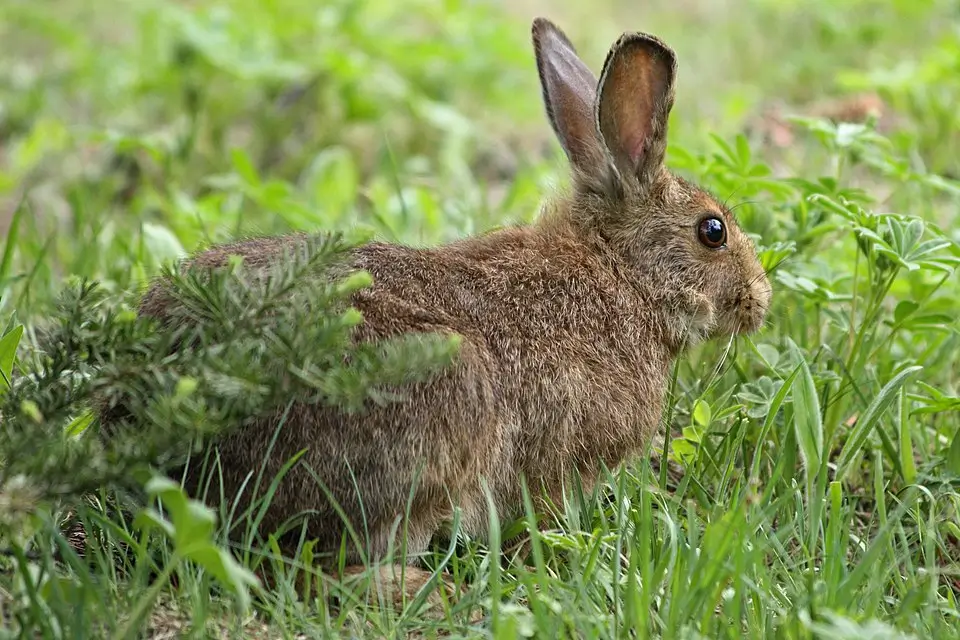
Perhaps the most visually striking characteristic of the snowshoe hare is its seasonal coat transformation. During the warmer months, the hare sports a brown or grayish-brown coat that blends seamlessly with the forest floor, leaf litter, and underbrush. As winter approaches and daylight hours shorten, a hormonal response triggered by photoperiod — the changing ratio of daylight to darkness — initiates a molt. The hare's fur gradually turns white, providing near-perfect camouflage against snow-covered landscapes.
This transformation is not instantaneous. It progresses over several weeks, meaning that during transitional periods in autumn and spring, a hare may display a patchy mix of brown and white — a potentially awkward situation when snowfall is unpredictable or delayed. Climate variability increasingly creates mismatches between coat color and background environment, making the hare temporarily more visible to predators.
The Famous Snowshoe Feet
The snowshoe hare earns its common name from its extraordinarily large hind feet. These oversized paws act as natural snowshoes, distributing the animal's weight across a larger surface area and allowing it to move swiftly across deep, soft snow where predators — particularly larger, heavier ones — may flounder. Dense fur also grows between the toes during winter, further enhancing traction and insulation.
This anatomical feature gives the snowshoe hare a significant survival edge in snowy environments and is one of the key reasons the species thrives in northern and high-elevation habitats where winter snowpack is deep and prolonged.
Population Cycles
One of the most well-documented ecological phenomena in North America is the approximately 10-year population cycle of the snowshoe hare, particularly pronounced in the boreal forests of Canada. Populations can fluctuate dramatically — sometimes by a factor of ten or more — between peak and trough years. These cycles are closely linked to the population dynamics of their primary predators, most notably the Canada lynx (Lynx canadensis), creating one of the most studied predator-prey relationships in ecological science.
During peak population years, snowshoe hares can be found in extraordinarily high densities. During low years, they may seem almost absent from the landscape. This boom-and-bust cycle ripples outward through the entire food web, affecting everything from lynx and great horned owls to coyotes and foxes.
Diet and Feeding Behavior
Snowshoe hares are strictly herbivorous. In summer, their diet consists of a wide variety of grasses, sedges, forbs, and leafy plants. As winter descends and green vegetation disappears beneath snow, hares shift to woody browse — twigs, bark, buds, and the needles of conifers. This dietary flexibility allows them to survive in environments where food resources change dramatically between seasons.
Like many lagomorphs, snowshoe hares practice cecotrophy — the consumption of special soft fecal pellets called cecotropes. This behavior allows the hare to extract maximum nutritional value from its plant-based diet by passing food through the digestive system twice.
Habitat and Range
The snowshoe hare is primarily a boreal species, most abundant across the vast coniferous forests of Canada and Alaska. Within the contiguous United States, populations are found in the northern tier of states and extend southward along mountain ranges such as the Rockies, the Appalachians, and the Sierra Nevada, where elevation creates boreal-like conditions.
The species favors dense, brushy cover — young forest stands, willow thickets, spruce-fir forests, and areas with abundant low-growing shrubs that provide both food and concealment from aerial and terrestrial predators. Thick understory cover is essential; hares are seldom found in open, exposed areas where escape cover is lacking.
In South Dakota, the snowshoe hare reaches the southeastern edge of its range, with populations most associated with the Black Hills region — the state's forested, higher-elevation landscape in the western part of the state. The Black Hills, with their ponderosa pine forests, dense shrub layers, and colder, snowier winters compared to the surrounding Great Plains, represent a suitable habitat island for this otherwise northern-adapted species.
South Dakota itself is a state of remarkable ecological diversity. Though it is best known nationally for its world-class pheasant hunting — with an average annual harvest of 1.2 million roosters over the past decade — the state also offers hunters and wildlife enthusiasts a rich variety of game species across its forests, river bottoms, grasslands, wetlands, and the expansive Missouri River reservoir corridor.
Hunting Information
Snowshoe hare hunting is a cherished tradition across much of the northern United States and Canada. It represents a form of small game hunting that rewards patience, woodsmanship, and an intimate knowledge of the landscape. Hunting pressure on snowshoe hares is generally light compared to more high-profile game species, making it an accessible and enjoyable pursuit for both novice and experienced hunters.
Methods and Techniques
The most traditional and arguably the most thrilling method of hunting snowshoe hares is with beagles or other small hound breeds. Hares, when pushed from cover, have a predictable tendency to circle back to their starting point rather than running in a straight line. Hunters post themselves along likely return routes and wait as the hounds work the cover. The sound of hounds on a fresh track in a snow-dusted forest is one of the great pleasures of the small game hunting experience.
Still-hunting and slow still-walking through dense cover are also effective tactics, particularly on crisp, calm winter mornings when fresh tracks can be followed and hares are more likely to hold tight in their forms (shallow resting depressions) rather than flush immediately. A hunter moving slowly and deliberately through brushy habitat, pausing frequently, will often find hares that reveal themselves at close range.
Shotguns in the 20- to 12-gauge range loaded with small shot (sizes 4, 5, or 6) are popular choices, while .22 rimfire rifles are also a classic tool for hare hunters who prefer a more deliberate, precision-based approach.
Hunting in South Dakota
Hunters interested in pursuing snowshoe hares in South Dakota should consult the South Dakota Game, Fish, and Parks (SDGFP) for the most current and accurate information on seasons, bag limits, and licensing requirements. South Dakota Game, Fish, and Parks oversees a wide variety of hunting opportunities across the state's diverse landscapes, and regulations can change from season to season. Always verify the current year's regulations before heading afield.
Given the snowshoe hare's association with forested, brushy habitats in South Dakota, hunters would be well-advised to focus their efforts on the Black Hills region, where suitable cover and hare populations are most likely to be found. Scouting for tracks and sign in fresh snow is one of the most reliable ways to locate active populations before opening a season.
Conservation
From a broader conservation perspective, the snowshoe hare is currently classified as a species of least concern by wildlife authorities, reflecting stable populations across the majority of its range. The species' high reproductive rate — females can produce multiple litters per year, with each litter containing several leverets — gives the population a strong capacity to rebound after downturns in the natural population cycle.
However, the snowshoe hare is not without conservation considerations. Climate change poses a growing challenge, particularly regarding the mismatch between the hare's genetically programmed coat-color timing and the increasingly variable arrival of snow cover. Research has documented that hares caught in this mismatch — wearing white coats on bare brown ground, or brown coats against early snow — face elevated predation risk. Over time, natural selection may favor individuals with more flexible coat-change timing, but the pace of adaptation relative to climate change remains an open question for researchers.
Habitat quality is also a key factor. The snowshoe hare's dependence on dense, brushy cover means that forest management practices significantly influence local population levels. Young, regenerating forests following timber harvest or natural disturbance can create ideal hare habitat, while mature, closed-canopy forests with sparse understory may support lower densities. Thoughtful forest management that maintains a mosaic of stand ages and canopy densities benefits hares and the full suite of predators that depend on them.
In South Dakota and the broader Great Plains region, maintaining and expanding suitable forested habitat in areas like the Black Hills supports not only snowshoe hares but also the broader ecological community they anchor.