Overview
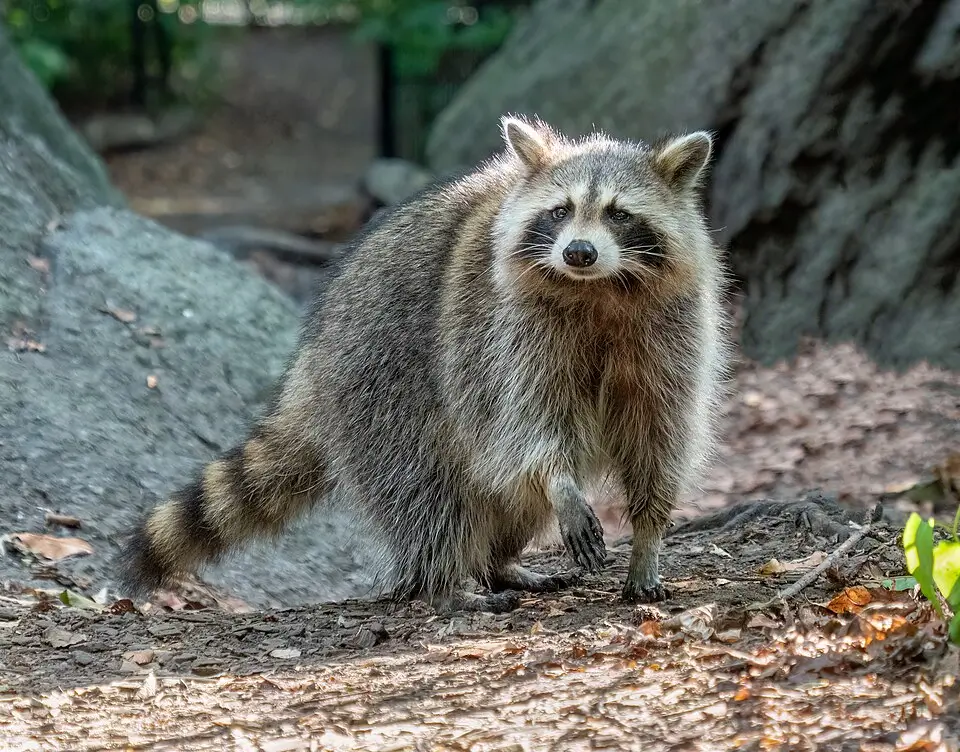
Few animals in North America capture the imagination quite like the raccoon (Procyon lotor). With its unmistakable black facial mask, ringed tail, and dexterous front paws, the raccoon has earned a reputation as one of the continent's most resourceful and adaptable mammals. From the dense hardwood forests of the East to the rolling grasslands and river bottoms of the Great Plains, raccoons have carved out a niche in virtually every environment they encounter. In South Dakota, this charismatic creature is a familiar presence across the state's diverse landscapes — haunting river corridors, wetlands, and the wooded draws that cut through the prairie.
The raccoon's scientific name, Procyon lotor, offers a fitting description of the animal's behavior. Lotor is Latin for "washer," a nod to the raccoon's well-known habit of manipulating and seemingly washing its food near water sources. This behavior, combined with remarkable intelligence and problem-solving ability, has made the raccoon one of the most studied and widely recognized mammals in North America. Whether observed raiding a campsite, foraging along a creek bank at dusk, or peering down from a cottonwood tree with those iconic masked eyes, the raccoon never fails to make an impression.
For hunters, trappers, and wildlife enthusiasts in South Dakota and across the broader American landscape, raccoons represent a connection to a long and storied tradition of small-game and furbearer hunting. Understanding this species — its biology, behavior, habitat preferences, and role in the ecosystem — is essential for anyone who appreciates the outdoors and the rich wildlife heritage of the Great Plains.
Biological Traits
The raccoon is a medium-sized mammal belonging to the family Procyonidae, a group that also includes ringtails, coatis, and kinkajous. Adults typically weigh between 8 and 20 pounds, though larger individuals — particularly in northern climates where animals put on significant fat reserves ahead of winter — can occasionally exceed this range. The body is stocky and compact, supported by relatively short legs that nonetheless allow raccoons to be surprisingly agile climbers.
The most iconic feature of the raccoon is undoubtedly its facial mask: a band of black fur surrounding both eyes that contrasts sharply against the lighter fur of the face. Scientists have proposed several theories for the function of this mask, including reducing glare and enhancing the animal's ability to distinguish contrast in low-light conditions — a valuable adaptation for a primarily nocturnal forager. The bushy tail, banded with alternating rings of dark and light fur, serves as an additional identification marker and is visible even in low-light settings.
Raccoons possess remarkably sensitive and nimble front paws. These paws contain a high concentration of mechanoreceptors, giving raccoons an acute sense of touch that rivals or even exceeds their visual acuity in some circumstances. This tactile sensitivity allows raccoons to identify and manipulate food items with impressive precision, whether they are pulling crayfish from a streambed, extracting seeds from a plant, or — to the frustration of many homeowners — opening latches and containers. Research has demonstrated that raccoons are capable problem-solvers, able to remember solutions to tasks for extended periods.
Raccoons are omnivores with a highly varied diet that shifts seasonally based on availability. During warmer months, their diet includes fruits, nuts, berries, insects, crayfish, frogs, fish, bird eggs, and small mammals. As autumn approaches, raccoons shift toward high-calorie foods like acorns, corn, and other agricultural crops, building up fat reserves that sustain them through periods of winter inactivity. Unlike true hibernators, raccoons do not enter a deep, sustained hibernation during winter. Instead, they may remain in a den for extended periods of cold or severe weather, drawing on stored fat, before emerging again when conditions moderate.
Breeding typically occurs in late winter, with females giving birth to litters of three to five young — called kits — in spring. The young are born helpless and fully dependent on their mother, developing rapidly over the following weeks and months. By late summer and early autumn, juvenile raccoons begin to forage independently, though family groups may remain loosely associated into the early winter months. Females are the primary caregivers, and male raccoons do not participate in raising young.
The raccoon's lifespan in the wild is typically two to three years, though individuals can live considerably longer when conditions are favorable and predation pressure is low. Natural predators include coyotes, bobcats, great horned owls, and in some regions, larger raptors and carnivores.
Habitat & Range
The raccoon is one of the most geographically widespread mammals in North America, ranging from southern Canada through most of the contiguous United States and into Central America. The species demonstrates extraordinary adaptability, thriving in environments as varied as tropical mangrove swamps, temperate deciduous forests, suburban neighborhoods, and the semi-arid grasslands of the Great Plains.
In South Dakota, raccoons are most commonly associated with riparian corridors — the strips of woody vegetation, brush, and mature trees that line rivers, streams, and wetlands. The Missouri River and its associated reservoir system provide ideal raccoon habitat, offering a mosaic of wooded bottomland, open water, and adjacent agricultural fields. The state's eastern river systems, including the Big Sioux and Vermillion rivers, similarly support healthy raccoon populations. Wetland complexes in the Prairie Pothole Region of eastern South Dakota are also important habitats, providing abundant food resources in the form of aquatic invertebrates, amphibians, and waterfowl nests.
While raccoons are most abundant where water and wooded cover intersect, they are highly adaptable and can be found across a wide range of habitat types throughout South Dakota's diverse landscapes. The forests of the Black Hills, the river bottoms of the western badlands country, and even the shelterbelts and farmsteads of the open prairie can all support raccoon populations when food and denning sites are available. Mature trees with cavities are particularly important for denning, though raccoons will also use brush piles, rock crevices, and man-made structures.
Hunting Information
Raccoon hunting is a cherished tradition across much of North America, and South Dakota's raccoon population provides opportunities for hunters and trappers who appreciate this classic pursuit. Raccoon hunting in the state fits naturally into the broader context of South Dakota's rich wildlife heritage. The state is renowned for its world-class pheasant hunting and offers a variety of game animals across its diverse landscapes — including forests, river bottoms, grasslands, and the vast Missouri River reservoir system — making it an excellent destination for hunters who enjoy pursuing multiple species.
Traditionally, raccoon hunting is conducted at night with the aid of trained hounds. Dogs with strong scenting ability track raccoons to trees, where the hunters close in with lights to harvest the animal. This method requires patience, teamwork between hunter and dogs, and a genuine appreciation for the nocturnal world. It is a pursuit steeped in American tradition, celebrated in literature, folklore, and song.
Raccoon pelts have historically been valued in the fur trade, and trapping remains an important management tool for raccoon populations. Trappers targeting raccoons in South Dakota operate within the state's furbearer regulations, and prospective hunters and trappers should always consult the South Dakota Game, Fish and Parks (GFP) for the most current and accurate season dates, licensing requirements, and regulations before heading afield, as these details are subject to change.
Raccoon meat is also edible and has a long history of use as table fare in American culinary tradition, particularly in rural and Southern cooking. Many hunters who pursue raccoons with dogs value the experience itself — the cool autumn nights, the sound of hounds working a track, and the camaraderie shared around a campfire — as much as or more than the harvest itself.
Conservation
Raccoons are currently abundant and widespread across North America, and the species is not considered threatened or endangered. In fact, the raccoon's adaptability has allowed it to thrive in many environments where other wildlife species have faced pressure from habitat loss and human development. Raccoon populations in many regions have expanded significantly over the past century, aided by the proliferation of agricultural landscapes, suburban environments with abundant food sources, and the reduction of large predators in many areas.
From a wildlife management perspective, maintaining balanced raccoon populations is important for ecosystem health. Raccoons are significant predators of ground-nesting bird eggs, including those of waterfowl and pheasants — species of considerable importance in South Dakota. Regulated hunting and trapping play a meaningful role in maintaining raccoon populations at levels compatible with broader wildlife community health.
Responsible hunters and trappers act as important partners in conservation, contributing both through direct harvest management and through license fees and excise taxes that fund state wildlife agencies. The tradition of raccoon hunting also helps connect new generations of outdoor enthusiasts to the natural world, fostering a conservation ethic that benefits all wildlife.