Overview
Few animals have shaped the North American landscape quite like the beaver. Known scientifically as Castor canadensis, the North American beaver is the continent's largest rodent and one of its most ecologically influential mammals. From the tundra fringe of northern Canada to the river bottoms of the American Great Plains, the beaver has carved its presence into the very waterways and wetlands that define wild North America. Its instinct to build, to dam, and to transform has earned it a reputation as nature's own civil engineer — a creature whose industriousness rivals that of the humans who have long shared its territory.
In states like South Dakota, where diverse landscapes stretch from the rolling grasslands of the Great Plains to the forested river bottoms and vast wetland systems along the Missouri River, the beaver occupies a uniquely important ecological role. Understanding this remarkable animal — its biology, its behavior, its habitat needs, and its relationship with hunters and conservationists alike — offers a deeper appreciation for the wild heritage of North America.
Biological Traits
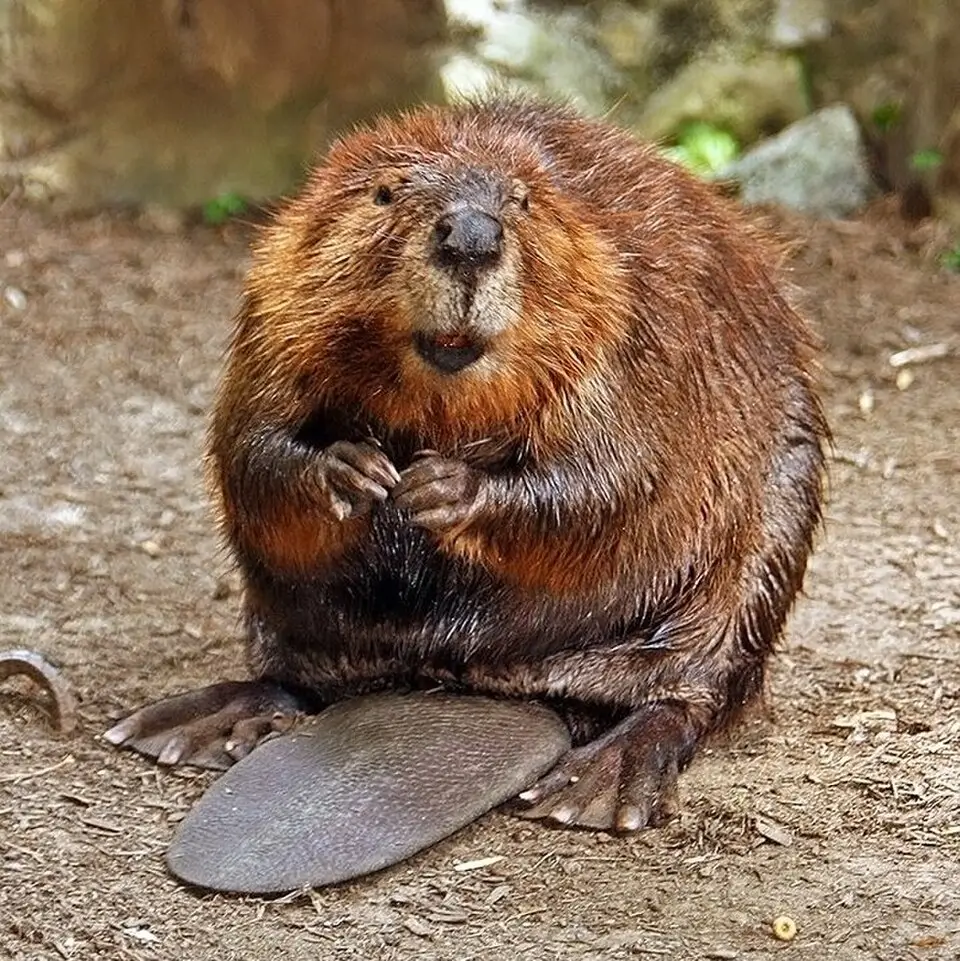
The North American beaver (Castor canadensis) belongs to the family Castoridae and is classified within the order Rodentia. It is the largest rodent native to North America and ranks among the largest rodents in the entire world, second only to the South American capybara. Adult beavers typically weigh between 35 and 65 pounds, though exceptionally large individuals can exceed 100 pounds. Their bodies are powerfully built and adapted for an amphibious lifestyle, with a broad, flat, paddle-shaped tail that serves multiple functions: steering in water, slapping the surface as an alarm signal, and storing fat reserves for winter survival.
Their hind feet are fully webbed, making them strong and efficient swimmers, while their forepaws remain dexterous enough to manipulate sticks, mud, and rocks with remarkable precision. A beaver's dense, waterproof fur consists of two layers — a coarse outer layer of guard hairs and a thick, soft underfur — which insulate the animal in cold water and cold climates alike. This fur was the commodity that drove centuries of exploration and trade across North America.
Perhaps the most iconic biological feature of the beaver is its teeth. The four large incisors — two on top and two on bottom — are coated with hard, iron-rich orange enamel on the front surface, while the back surface is softer and wears away more quickly. This differential wear creates a naturally self-sharpening chisel edge that allows beavers to fell trees many times their own size. A beaver's incisors never stop growing throughout its life, a common trait among rodents, and the animal must continually gnaw to keep them worn to a functional length.
Beavers are primarily nocturnal, though they may be active during dawn and dusk hours, particularly in areas with lower human disturbance. They are highly social animals that live in family groups called colonies, typically consisting of a mated adult pair, their young of the year (kits), and yearlings from the previous breeding season. Beavers are monogamous and often mate for life. Breeding occurs in mid-winter, and litters of one to six kits are born in the spring after a gestation period of roughly 100 to 110 days. Kits are born fully furred, with open eyes, and are capable of swimming within days of birth.
Communication within beaver colonies involves a combination of vocalizations, scent marking, and the iconic tail slap on the water surface, which warns other family members of approaching danger.
Habitat & Range
The North American beaver has one of the broadest distributions of any large mammal on the continent. Historically, beavers ranged across virtually all of North America, from the Arctic tundra of Alaska and northern Canada south into northern Mexico, covering nearly every region where flowing freshwater and suitable vegetation coexist. At the height of the fur trade era, it is estimated that populations numbered in the tens of millions. Intense trapping pressure reduced those numbers dramatically, but conservation efforts throughout the 20th century allowed populations to recover substantially across much of the historic range.
Beavers require access to freshwater — streams, rivers, ponds, lakes, and wetlands — combined with a supply of the woody vegetation they use for food and construction material. They are particularly associated with deciduous tree species such as aspen, willow, cottonwood, alder, and birch, though they will consume and use a wide variety of plant materials depending on regional availability. The animal's preference for these riparian (streamside) tree species means that it is most commonly found along waterway corridors, forest edges, and wetland margins.
In South Dakota, beavers are well-suited to the state's rich network of river drainages and wetland systems. The state's river bottoms — particularly along the Missouri River and its tributaries — provide the cottonwood, willow, and other riparian vegetation that beavers depend upon. South Dakota's diverse landscapes, which the South Dakota Game, Fish and Parks describes as including "forests, river bottoms, grasslands, wetlands, and the vast Missouri River reservoir system," offer habitat conditions across a significant portion of the state where beaver colonies can thrive.
One of the most remarkable aspects of beaver habitat is that beavers themselves create it. By felling trees and constructing dams across streams, beavers engineer entire wetland ecosystems. A single beaver dam can convert a free-flowing stream into a broad, shallow pond that provides habitat for waterfowl, fish, amphibians, and countless other species. These beaver ponds also recharge groundwater, reduce downstream flooding, filter sediments and nutrients from water, and increase overall biodiversity in the surrounding landscape. This ecosystem engineering is why ecologists often refer to the beaver as a "keystone species" — one whose presence has disproportionately large effects on the health and structure of the ecosystem.
Hunting Information
The North American beaver has been an important quarry for trappers and hunters across centuries of North American history. Long before European contact, Indigenous peoples — including the Dakota Sioux, whose culture and territory are deeply woven into the identity of South Dakota — hunted and trapped beavers for their meat, fur, and other resources. The arrival of European fur traders in the 17th and 18th centuries transformed beaver trapping into a continental commercial enterprise, with beaver pelts becoming one of the most valuable commodities of the era, prized for the manufacture of felt hats and other goods.
Today, beaver harvesting in most of North America is regulated through state and provincial wildlife management agencies. In South Dakota, the South Dakota Game, Fish and Parks (SDGFP) oversees the management of furbearing animals including beaver. The SDGFP manages game across the state's varied landscapes — from the grasslands and wetlands to the river bottom corridors where beavers are most prevalent.
Because specific season dates, license requirements, and regulations for beaver trapping and hunting in South Dakota are subject to change and are managed on an annual basis by the SDGFP, hunters and trappers are strongly encouraged to consult the official SDGFP website and current regulations pamphlet for the most up-to-date and accurate licensing and season information before pursuing beaver in the state. Regulations may vary by specific zones, methods of take, and annual population assessments.
Beaver can be harvested through both trapping and hunting methods where permitted by state regulations. Traditional trapping methods remain widely used and are highly effective given the beaver's predictable movement patterns along waterways and in and around its lodge and dam structures. Hunters pursuing beaver by firearm typically focus on early morning or late evening hours when beaver activity peaks along the water's edge.
The meat of the beaver is considered by many outdoorspeople to be quite palatable, with a rich, dark flavor. Historically, beaver tail was a particularly prized delicacy, and beaver meat continues to be enjoyed by hunters who take a whole-animal approach to their harvest. The pelt, while less commercially dominant than in centuries past, still carries value in the fur trade market and among artisans who work with natural hides.
Conservation
The story of beaver conservation in North America is one of the more remarkable wildlife recovery narratives on the continent. Once pushed to the brink of regional extinction by the fur trade, the North American beaver has rebounded substantially thanks to improved trapping regulations, reintroduction programs, and habitat protection efforts throughout the 20th century. Today, the species is classified as a species of "Least Concern" by the International Union for Conservation of Nature (IUCN), reflecting its healthy and widespread population across the continent.
Regulated harvest plays an important role in modern beaver management. In some areas, beaver populations can grow to levels that create conflicts with human land use — flooded agricultural land, damaged timber, and compromised road drainage systems are among the challenges that can arise when beaver colonies expand. Responsible, regulated trapping provides a management tool that keeps populations in balance with both the landscape and neighboring human communities, while also supporting the cultural and economic traditions of the trapping community.
Beyond population management, the conservation value of beavers themselves cannot be overstated. Wildlife managers, ecologists, and conservation organizations increasingly recognize the beaver as an ally in efforts to restore degraded riparian habitats, improve water quality, and increase resilience to drought and flood cycles. In many parts of the West and Great Plains, deliberate reintroduction of beavers to previously occupied waterways has produced measurable improvements in stream health, water retention, and biodiversity.
In South Dakota's context, the beaver contributes to the health of the same wetland and river systems that support the state's celebrated waterfowl populations, its diverse fish communities, and the variety of wildlife that makes South Dakota a destination for outdoor enthusiasts of all kinds. Preserving and thoughtfully managing beaver populations is, in many ways, an investment in the broader ecological richness that defines wild South Dakota.