Overview
Few animals embody the spirit of North America's wetlands quite like the muskrat (Ondatra zibethicus). A semi-aquatic rodent of remarkable adaptability and ecological significance, the muskrat has long captured the attention of naturalists, trappers, hunters, and wildlife enthusiasts alike. From the reed-choked marshes of the Great Plains to the slow-moving rivers threading through South Dakota's diverse landscapes, the muskrat plays an irreplaceable role in shaping and sustaining healthy wetland ecosystems. Whether you are a seasoned trapper, a curious nature lover, or an outdoor sportsman exploring what South Dakota has to offer beyond its world-famous pheasant hunting, the muskrat is a fascinating creature worth knowing intimately.
The muskrat holds the distinction of being the sole member of the genus Ondatra, making it a truly unique species within the broader family Cricetidae. Despite its relatively modest size, this animal has left an outsized mark on North American wildlife culture, history, and ecology. Indigenous peoples, including the Dakota Sioux — whose cultural heritage is deeply woven into the fabric of South Dakota itself — have long recognized the muskrat as an important part of the natural world. In many Native American creation stories, the muskrat plays a heroic role, diving to the bottom of the primordial waters to bring up the earth that would form the land. That blend of cultural significance, ecological importance, and sporting tradition makes the muskrat one of the continent's most compelling wild animals.
Biological Traits
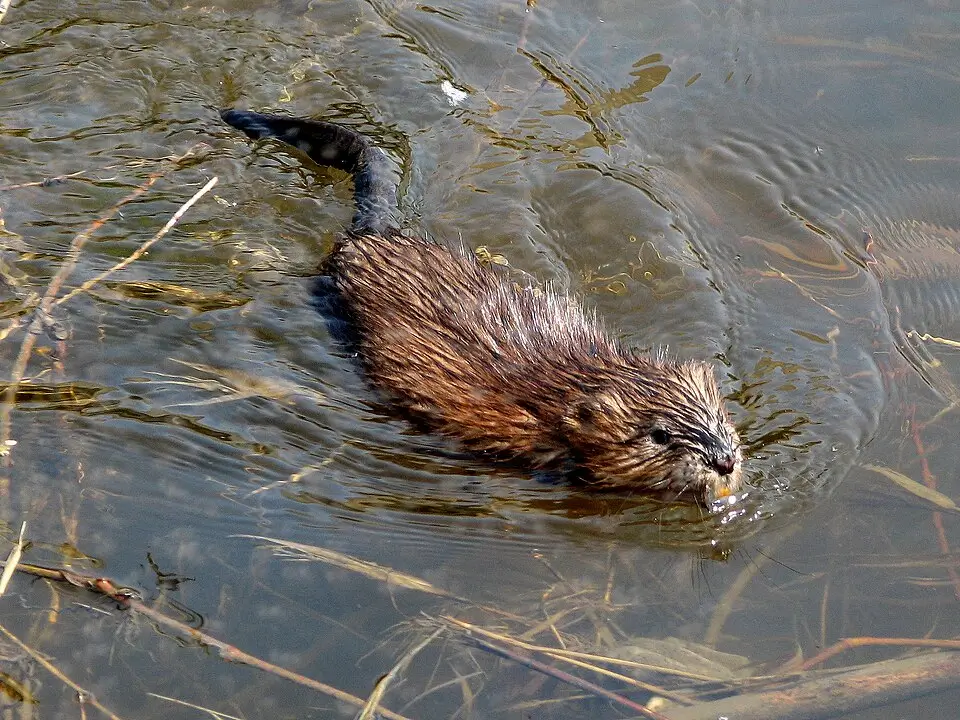
The muskrat (Ondatra zibethicus) is a medium-sized semi-aquatic rodent native to North America. Its name derives from two glands near the base of its tail that produce a musky-scented secretion, which the animal uses to mark its territory and communicate with others of its kind. This musk, while pungent, is a fascinating biological feature that underscores the muskrat's sophisticated social behaviors.
In terms of physical appearance, muskrats are well-built for life in and around the water. Their bodies are stocky and streamlined, typically measuring between 16 and 25 inches in total length, including their distinctive laterally flattened tail. That tail, unique among North American rodents of similar size, acts as a rudder during swimming, giving the muskrat impressive maneuverability in aquatic environments. Adults generally weigh between 1.5 and 4 pounds, though size can vary depending on geography, diet, and season.
The muskrat's fur is one of its most notable features. It consists of two layers: a dense, soft underfur that provides insulation and waterproofing, and longer, coarser guard hairs on the outside that shed water effectively. The coloration typically ranges from dark brown on the back to a lighter, grayish-brown on the underside, though regional variations exist. This luxurious pelt has historically made the muskrat one of the most commercially important furbearers in North America.
Muskrats are primarily herbivores, feeding on a wide variety of aquatic and semi-aquatic vegetation including cattails, sedges, rushes, and water lilies. However, they are opportunistic omnivores and will occasionally consume mussels, crayfish, frogs, and small fish when plant material is scarce. Their feeding habits are ecologically significant — by consuming and harvesting aquatic plants, muskrats help maintain open water areas within dense marsh vegetation, creating habitat that benefits waterfowl, fish, and other wetland species.
Reproduction is another area where the muskrat excels. Females can produce multiple litters per year, with each litter containing between four and eight young. Gestation lasts approximately three to four weeks, and young muskrats develop rapidly, becoming independent within a matter of weeks. This high reproductive rate allows muskrat populations to rebound quickly from environmental pressures, making them a resilient and sustainable component of wetland ecosystems.
Muskrats are most active during the dawn and dusk hours, though they can be observed throughout the day and night. Their lodges — dome-shaped structures built from cattails, reeds, and mud — are iconic features of North American marshes and serve as both homes and feeding platforms. In areas with stable banks and suitable soil, muskrats may instead excavate burrow systems along the water's edge, creating extensive underground networks.
Habitat & Range
The muskrat boasts one of the broadest ranges of any semi-aquatic mammal in North America. Originally native to the continent, it has also been introduced to parts of Europe, Asia, and South America, where it has established thriving populations. Across its native range, the muskrat occupies an enormous variety of wetland habitats, from freshwater marshes, ponds, and lakes to rivers, streams, drainage ditches, and brackish coastal marshes.
In South Dakota, the muskrat finds ideal conditions throughout much of the state. South Dakota's diverse landscape — encompassing river bottoms, grassland wetlands, and the vast Missouri River reservoir system — provides a rich mosaic of aquatic habitats perfectly suited to the muskrat's lifestyle. The glacial lakes and prairie potholes of the eastern part of the state are particularly productive muskrat habitats, as are the marshy backwaters and cattail sloughs associated with the Missouri River drainage.
The wetlands of South Dakota serve double duty in the broader ecological picture. Not only do they support thriving muskrat populations, but they also provide essential habitat for the waterfowl, white-tailed deer, and other game animals that make South Dakota a destination for hunters from around the world. The health of these wetland systems is closely tied to the presence and activity of muskrats, which help keep waterways and marshes productive and biologically diverse.
Muskrats thrive in areas with abundant emergent vegetation, stable water levels, and access to soft substrate for burrowing or lodge construction. They are highly adaptable and can colonize new habitats quickly, which has contributed to their success across such a wide geographic range.
Hunting and Trapping Information
The muskrat has a long and storied history as a furbearer in North America. For centuries, both Indigenous peoples and European settlers recognized the value of the muskrat pelt, and the fur trade that developed around species like the muskrat helped shape the early history of the continent. Today, muskrat trapping and hunting remain a cherished tradition across much of North America, including in South Dakota.
South Dakota is celebrated for the diversity of its hunting opportunities. While the state is perhaps most famous globally for its pheasant hunting — with an average annual harvest of 1.2 million roosters over the past decade — the Game, Fish, and Parks department offers a wide variety of game animal pursuits across the state's forests, river bottoms, grasslands, wetlands, and Missouri River reservoir areas. Muskrat trapping fits naturally into this broader tapestry of outdoor sporting tradition.
Muskrats are typically pursued through trapping rather than conventional hunting. Common methods include the use of body-gripping traps, foothold traps, and cage traps set along runways, near lodge entrances, or at bank burrow openings. Skilled trappers read the landscape carefully, identifying high-traffic areas and fresh sign — including feeding platforms littered with plant debris and well-worn slides in the mud — to maximize success.
Because regulations regarding muskrat trapping seasons, licensing requirements, and legal methods can change from year to year, all prospective hunters and trappers are strongly encouraged to consult the South Dakota Game, Fish, and Parks website or contact a local GFP office directly for the most current and accurate information before pursuing muskrats. Adhering to all state regulations is essential for ensuring the sustainability of muskrat populations and preserving this tradition for future generations.
Beyond trapping, muskrat meat has historically been consumed as a food source in many parts of North America and continues to be enjoyed today in some communities. Muskrat flesh is described as dark, rich, and flavorful, and the animal has been featured in regional cuisines, particularly in the Great Lakes region and parts of the mid-Atlantic states.
Conservation
The muskrat is currently classified as a species of least concern by wildlife conservation organizations, reflecting its wide distribution, large overall population, and remarkable adaptability. However, like all wetland-dependent species, muskrats are not immune to the pressures facing aquatic habitats in the modern era.
Wetland loss and degradation remain the most significant threats to muskrat populations over the long term. Drainage of prairie potholes and marshes for agricultural purposes, fluctuating water levels caused by drought or water management practices, and the spread of invasive aquatic plants can all reduce habitat quality and carrying capacity for muskrats. In South Dakota and across the Great Plains, conservation efforts focused on protecting and restoring wetland habitats benefit not only muskrats but the entire suite of species that depend on these productive ecosystems.
Regulated trapping, conducted within the framework established by wildlife management agencies like South Dakota Game, Fish, and Parks, plays a positive role in muskrat conservation. Sustainable harvest programs help prevent population overgrowth in productive habitats, which can lead to a phenomenon known as "eat-outs" — situations where muskrat populations consume aquatic vegetation faster than it can regenerate, ultimately destroying the habitat upon which they depend. Thoughtful, regulated trapping helps maintain the balance between muskrat populations and their wetland environments.
Organizations dedicated to wetland conservation, including those focused on waterfowl habitat, indirectly support muskrat populations through their work to protect and restore marshes and prairie wetlands. Hunters, trappers, and wildlife enthusiasts who support these conservation efforts contribute meaningfully to the long-term health of muskrat populations and the broader wetland ecosystems of South Dakota and beyond.
The muskrat's story is ultimately one of resilience, adaptability, and ecological importance. From its starring role in Native American creation mythology to its central place in the history of the North American fur trade and its ongoing contribution to healthy, biodiverse wetlands, this industrious semi-aquatic rodent deserves far more recognition than it typically receives. For anyone exploring the outdoors of South Dakota — whether in pursuit of pheasants along the river bottoms, waterfowl on the prairie potholes, or simply the quiet wonder of a healthy marsh at dawn — the sight of a muskrat slipping silently through the cattails is a reminder of just how rich and interconnected the natural world truly is.