Overview
Few birds are as deeply woven into the fabric of American outdoor culture as the mourning dove (Zenaida macroura). With its soft, mournful cooing drifting across fields and fence lines at dawn, this elegant bird has captured the attention of birdwatchers, wildlife enthusiasts, and hunters alike for generations. Found from coast to coast across North America, the mourning dove is not only one of the most recognizable wild birds on the continent but also the most harvested game bird in the United States, with tens of millions taken by hunters each year. In South Dakota, a state celebrated for its extraordinary hunting heritage and diverse wildlife landscapes, the mourning dove holds a cherished place among the many game species that draw sportsmen and sportswomen from across the country.
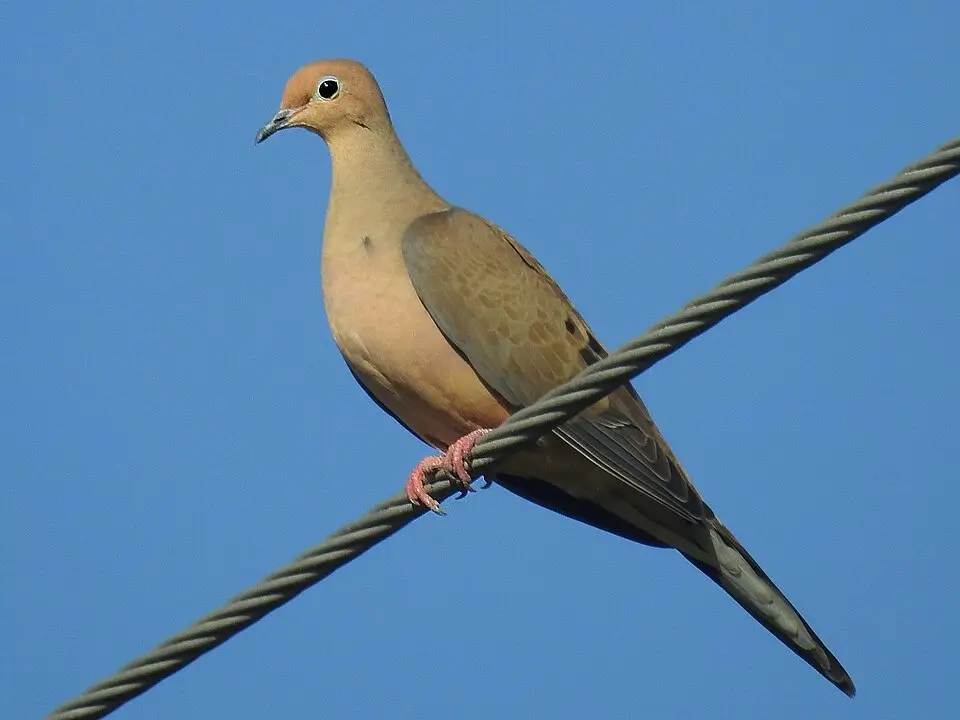
Whether you encounter a mourning dove perched on a power line silhouetted against a prairie sunset or watch a flock swirling over a harvested grain field, there is something undeniably compelling about this bird. Its graceful flight, understated beauty, and ecological significance make it a worthy subject of study and admiration. This article explores the biology, habitat preferences, hunting traditions, and conservation story of the mourning dove — a species that quietly thrives all around us.
Biological Traits
The mourning dove belongs to the family Columbidae, which includes all pigeons and doves worldwide. Its scientific name, Zenaida macroura, references both Princess Zénaïde Bonaparte (for whom the genus was named) and the Greek word for "long-tailed," a nod to one of the bird's most distinguishing physical features. The mourning dove is a medium-sized bird, typically measuring between 9 and 13 inches in length, with a wingspan ranging from roughly 17 to 19 inches. Its body is slender and streamlined, built for speed and agility in flight.
The plumage of the mourning dove is elegantly understated. The upperparts are a warm grayish-brown, while the underparts take on a soft pinkish or buffy hue. A small but distinctive black spot sits just below and behind the eye, and the wings are often marked with small black spots. The tail is long and tapered — pointed at the tip — and the outer tail feathers are edged in white, creating a flash of white visible during flight. The feet are small and reddish, and the bill is slender and slightly curved, perfectly adapted for picking up seeds from the ground.
One of the most remarkable aspects of the mourning dove is its flight. Capable of reaching speeds exceeding 55 miles per hour, this bird is a fast and erratic flier, making it a challenging and rewarding target for hunters. The wings produce a distinctive whistling sound during takeoff, a feature that serves as an alarm signal to other doves nearby.
Mourning doves are prolific breeders. They are known for their extended breeding season, which can last from early spring well into the fall across much of their range. A mated pair typically raises multiple broods per season — often two to five — with each clutch consisting of just two eggs. Both parents share incubation duties, and the incubation period lasts approximately 14 days. The chicks, known as squabs, develop rapidly and are capable of leaving the nest in as few as 11 to 15 days after hatching.
One of the more fascinating aspects of mourning dove biology is their ability to produce "crop milk." Like other members of the pigeon family, mourning doves can produce a nutritious, protein-rich secretion from the lining of their crop, which both parents regurgitate to feed their young squabs during the first days of life. This adaptation allows doves to raise young successfully even in environments where suitable soft food for hatchlings might be scarce.
The diet of the mourning dove consists almost entirely of seeds. Grains such as corn, wheat, millet, sunflower seeds, and various wild grass seeds make up the bulk of their nutrition. Doves are ground feeders, walking along bare or sparsely vegetated soil to collect seeds with their bill. They are also known to consume grit — small pebbles or sand — which aids in the mechanical digestion of hard seeds in their muscular gizzard.
The mourning dove's iconic vocalization is a soft, rhythmic cooing — a sound often described as mournful or melancholy, which is the origin of its common name. This call is most frequently heard in the early morning hours and serves a variety of social and territorial functions throughout the breeding season.
Habitat & Range
The mourning dove is one of the most widely distributed birds in North America. Its range extends from southern Canada through the contiguous United States, Mexico, Central America, and into parts of the Caribbean. In the United States, the species is present year-round across much of the southern half of the country, while northern populations are partially migratory, moving southward during the colder months.
Mourning doves are remarkably adaptable when it comes to habitat. They thrive in open and semi-open environments, including agricultural fields, grasslands, open woodlands, shrublands, roadsides, suburban parks, and urban areas. The species shows a preference for areas that combine open ground for foraging with nearby trees or shrubs for nesting and roosting. Edge habitats — places where different vegetation types meet — are particularly attractive to mourning doves, as they provide both food and cover in close proximity.
In South Dakota, mourning doves find an ideal combination of habitat elements across the state's varied landscapes. South Dakota encompasses forests, river bottoms, native grasslands, wetlands, and expansive agricultural fields — a mosaic of habitats that supports robust dove populations during the warmer months. The state's vast grain-producing regions are especially attractive to mourning doves, which flock to harvested fields and feeding areas in large numbers during late summer and early fall. The Missouri River corridor and the rich river-bottom habitats found throughout the state also provide important roosting and nesting cover for the species.
Hunting Information
The mourning dove holds the distinction of being the most popular migratory game bird in the United States, supporting a hunting tradition that spans generations and draws millions of participants each season. Dove hunting is a beloved late-summer and early-fall tradition in much of the country, combining the excitement of challenging wing shooting with the relaxed, social atmosphere of an opening-day gathering in a harvested grain field.
South Dakota is a state celebrated for its hunting heritage. While the state is most famously known for its world-class pheasant hunting — with an average annual pheasant harvest of over 1.2 million roosters over the past decade — the state also offers a rich variety of hunting opportunities across its diverse landscapes, including forests, river bottoms, grasslands, and wetlands. Mourning doves are among the many game species that hunters can pursue across these varied habitats.
Mourning dove hunting typically involves pass shooting or decoying birds near water sources, feeding fields, or established flight corridors. Because doves fly with speed and unpredictability, they are considered one of the more challenging upland and migratory game birds to harvest consistently, making dove hunting an excellent way to sharpen wing-shooting skills. Many hunters set up near harvested grain fields, sunflower patches, or stock ponds where doves congregate in the late afternoon hours.
For specific season dates, bag limits, and license requirements for mourning dove hunting in South Dakota, hunters are strongly encouraged to consult the South Dakota Game, Fish and Parks (SDGF&P) directly, as regulations are updated annually and may vary. Always ensure that you are in possession of all required licenses and federal permits, including the Federal Migratory Bird Hunting and Conservation Stamp (commonly known as the Duck Stamp), which is required for hunting migratory birds in the United States.
Conservation
The mourning dove's conservation story is, in many respects, a genuine success. Despite being the most heavily harvested game bird in North America, mourning dove populations have remained generally stable over the long term, a testament to the species' remarkable reproductive capacity and adaptability. The extended breeding season and multiple broods per year allow dove populations to sustain themselves even under significant hunting pressure.
Federal oversight of mourning dove hunting falls under the Migratory Bird Treaty Act of 1918, one of the oldest and most important wildlife conservation laws in the United States. This legislation ensures that dove hunting seasons and harvest levels are managed scientifically, with population data collected and reviewed regularly to ensure sustainable harvest levels. The U.S. Fish and Wildlife Service, in cooperation with state wildlife agencies, monitors dove populations through programs such as the annual Mourning Dove Call Count Survey, providing the data necessary for sound management decisions.
Beyond hunting, mourning doves benefit from habitat conservation efforts aimed at preserving and restoring the open agricultural and grassland landscapes they depend upon. Conservation programs that encourage cover plantings, native grassland restoration, and wildlife-friendly farming practices all contribute positively to dove habitat across the Great Plains and beyond. In a state like South Dakota, where the landscape is a dynamic blend of working agricultural land and natural habitat, these efforts help support not only dove populations but the full spectrum of wildlife that calls the state home.
The mourning dove's adaptability to human-altered landscapes has also contributed to its resilience. Unlike many species that struggle in the face of agricultural expansion and suburban development, the mourning dove has largely thrived in modified environments, taking advantage of the food resources and open ground that agriculture provides. This flexibility, combined with responsible wildlife management, has allowed the species to remain abundant and widely distributed across North America.
Conclusion
The mourning dove is far more than a background element of the American countryside. It is a bird of quiet elegance, remarkable biological resilience, and deep cultural significance in the world of outdoor recreation. From its distinctive cooing at sunrise to its swift, whistling flight across late-summer skies, the mourning dove enriches the natural world in ways both subtle and profound. For hunters in South Dakota and across the country, the mourning dove represents one of the great traditions of the American hunting calendar — a fast, challenging bird that rewards skill, patience, and time spent in the field. For wildlife watchers and nature lovers, it is a familiar and welcome presence in fields, farms, and backyards from border to border.
Whether you pursue mourning doves with a shotgun or simply enjoy their gentle cooing from a back porch, this species deserves appreciation and respect. Through responsible hunting, thoughtful habitat management, and continued scientific stewardship, the mourning dove will remain a defining feature of North America's wildlife landscape for generations to come.