Overview
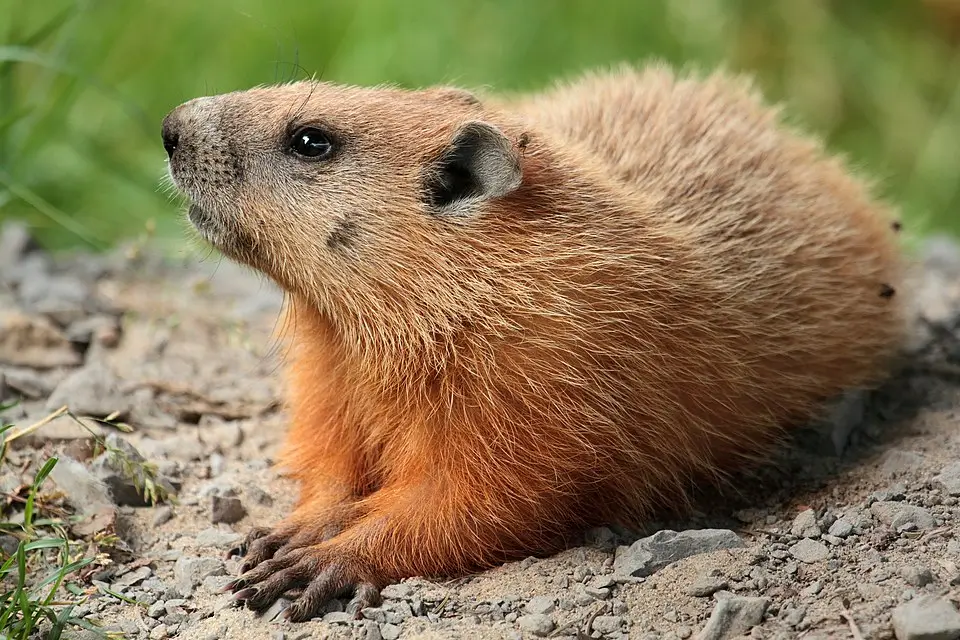
Few animals in North America capture the public imagination quite like the groundhog. Known by many names — woodchuck, whistle-pig, land beaver, and even the scientific moniker Marmota monax — this stocky, burrowing rodent has earned a permanent place in American culture, folklore, and the outdoor sporting tradition. Every February 2nd, the nation turns its eyes toward Punxsutawney, Pennsylvania, where a groundhog named Phil supposedly predicts the arrival of spring. But beyond the pageantry and pop culture, the groundhog is a fascinating wildlife species with a rich biological story, a critical ecological role, and a dedicated following among hunters and wildlife enthusiasts alike.
For hunters and wildlife watchers in states like South Dakota, the groundhog represents an exciting small game target that provides fast-paced, technical shooting opportunities across the state's diverse landscapes. Whether you are a seasoned varmint hunter looking to sharpen your marksmanship or a curious naturalist hoping to understand the animals that share your land, the groundhog is a species well worth knowing.
Biological Traits
The groundhog (Marmota monax) belongs to the order Rodentia and the family Sciuridae, making it a close relative of squirrels, prairie dogs, and chipmunks. It is the largest member of the marmot group found in North America, and its robust physical build immediately sets it apart from other burrowing mammals.
Groundhogs are true hibernators — one of the few North American mammals that enter a state of deep, prolonged hibernation during the winter months. During hibernation, a groundhog's body temperature drops dramatically, its heart rate slows to just a few beats per minute, and its breathing becomes barely perceptible. This physiological feat allows the animal to survive months underground without eating, relying entirely on fat reserves built up during the warmer seasons. By late summer and early autumn, groundhogs are at their heaviest, having spent weeks consuming grasses, clovers, vegetables, fruits, and occasionally insects to pack on the necessary body fat for winter survival.
When spring arrives and temperatures begin to rise, groundhogs emerge from their burrows — an event that has, of course, become the basis of Groundhog Day. Males typically emerge before females, likely to begin establishing territory and scouting for mates. Mating occurs shortly after emergence, and after a gestation period of approximately 31 to 32 days, a litter of typically two to six young is born. The young are born blind, hairless, and entirely dependent on their mother. By midsummer, the juveniles are largely independent and will begin to disperse to establish their own burrow systems.
The groundhog's most remarkable physical adaptation is its digging ability. Using powerful forelimbs armed with sturdy, curved claws, a groundhog can excavate an extensive burrow system with multiple entrances, sleeping chambers, and even separate latrines. A single groundhog can move an impressive amount of soil in the construction and maintenance of its burrow. These burrows often feature a main entrance marked by a conspicuous mound of excavated dirt and one or more "plunge holes" — secondary entrances without dirt mounds — that serve as quick escape routes from predators. The burrow system serves multiple purposes: it provides shelter from extreme weather, a safe place for raising young, protection from predators, and a hibernation chamber for the winter months.
Groundhogs are also well-known for their vocalizations. When alarmed, they produce a sharp, high-pitched whistle — the origin of the common nickname "whistle-pig." They may also produce low barks, tooth chattering, and a variety of other sounds to communicate with members of their species.
Natural predators of the groundhog include foxes, coyotes, hawks, eagles, bobcats, and domestic dogs. Their primary defense strategy is vigilance and speed — groundhogs are rarely found far from the entrance to their burrow and will sprint to safety at the first sign of danger.
Habitat & Range
The groundhog is widely distributed across much of North America. Its range extends from the eastern seaboard of the United States westward through the Great Plains and northward into Canada, reaching as far as Alaska. The species thrives in a variety of habitats, demonstrating considerable adaptability.
Groundhogs favor edge habitats — areas where open fields, meadows, or agricultural land meets woodland or brushy cover. This preference is largely driven by food availability and the need for lookout vantage points. Open grasslands provide abundant foraging opportunities, while nearby woodland edges offer protection from aerial and terrestrial predators. Agricultural fields, pastures, roadsides, orchards, and the margins of forests are all prime groundhog territory.
In South Dakota, a state defined by its sweeping Great Plains grasslands, river bottoms, diverse forests in the Black Hills region, and vast agricultural landscapes, groundhogs find suitable habitat across a variety of terrain types. South Dakota's mixed-grass prairies, cropland edges, and riparian corridors along its many river systems provide the open-to-wooded edge environments that groundhogs favor. The state's rich and varied landscapes — from the Missouri River reservoir country to the western Badlands — support a wide range of wildlife, and the groundhog is a part of that broader ecosystem.
Hunting Information
Groundhog hunting — often referred to as "varmint hunting" — is a beloved outdoor tradition across much of the United States and holds a dedicated following among hunters in South Dakota and beyond. It is a pursuit that demands patience, fieldcraft, and precision shooting, offering a unique challenge that attracts both beginners and experienced hunters.
The sport of groundhog hunting is particularly valued for its contribution to marksmanship development. Because groundhogs are relatively small targets and are almost always alert and watchful, hunters must be proficient with their firearms and skilled at rangefinding, wind reading, and shot placement. Groundhog hunting is a popular warm-weather activity that keeps hunters afield during seasons when other game is out of season, and many rifle hunters use varmint seasons to test new loads, zero optics, and refine shooting technique.
Hunters typically pursue groundhogs from late spring through early fall, targeting open fields, agricultural land, and pasture edges where the animals are most active. Early morning and late afternoon hours tend to offer the best opportunities, as groundhogs are most active during cooler parts of the day. Spotting and stalking, as well as long-range shooting from a fixed position, are both effective methods.
In South Dakota, hunting opportunities are abundant across the state's expansive public and private lands. South Dakota is celebrated worldwide for its hunting heritage — the state's Game, Fish, and Parks department notes that South Dakota is renowned for its pheasant hunting, with an average annual pheasant harvest of 1.2 million roosters over the past decade. But the hunting experience extends well beyond pheasant. The state offers hunters a diverse portfolio of game across forests, river bottoms, grasslands, wetlands, and the vast Missouri River reservoir system. Varmint hunting, including groundhog hunting, fits naturally into this tradition of diverse outdoor opportunity.
Prospective hunters should always consult the South Dakota Game, Fish, and Parks department directly for the most current licensing requirements, season dates, and any applicable regulations before heading afield. Regulations can change, and obtaining accurate, up-to-date information ensures a legal and responsible hunt.
Conservation
The groundhog is currently listed as a species of least concern by wildlife conservation authorities, reflecting a stable and widespread population across its North American range. Unlike some wildlife species that have suffered dramatic population declines due to habitat loss or overharvest, the groundhog has proven remarkably adaptable to human-modified landscapes. In many areas, agricultural development has actually expanded available habitat by creating the open edge environments that groundhogs prefer.
Despite their common status, groundhogs play meaningful ecological roles. Their burrow systems provide shelter for a wide variety of other species, including foxes, skunks, rabbits, opossums, and numerous reptile and amphibian species that make use of abandoned groundhog dens. The act of burrowing itself aerates and turns over soil, contributing to soil health and nutrient cycling. In this respect, the groundhog functions as an ecological engineer, shaping its environment in ways that benefit the broader wildlife community.
Responsible hunting and wildlife management help ensure that groundhog populations remain healthy and in balance with their habitat. South Dakota's Game, Fish, and Parks department, along with similar wildlife agencies across the country, works to manage wildlife resources for the benefit of present and future generations of hunters and wildlife enthusiasts alike.
Whether encountered as a subject of folklore, a target for precision varmint hunters, or simply a remarkable example of North American wildlife, the groundhog deserves appreciation as a vital component of the ecosystems it inhabits. The next time you spot one of these industrious creatures sitting upright at the entrance to its burrow, take a moment to consider the extraordinary biology and the rich outdoor tradition connected to this very common, yet truly remarkable, animal.