Overview
Few creatures embody the spirit of North America's woodlands quite like the fox squirrel (Sciurus niger). Bold, curious, and strikingly large compared to its squirrel cousins, the fox squirrel has long captured the attention of naturalists, wildlife enthusiasts, and hunters alike. Whether spotted darting through the canopy of a hardwood forest or foraging methodically along the edges of a crop field, this remarkable rodent is a fixture of the landscapes it calls home — including portions of the Great Plains states like South Dakota.
The fox squirrel is the largest tree squirrel native to North America, and its range stretches broadly across the central and eastern United States. Its adaptability, intelligence, and impressive size have made it a celebrated game animal among small-game hunters, while its ecological role as a seed disperser makes it a valued member of healthy forest ecosystems. Understanding the fox squirrel — its biology, behavior, habitat preferences, and role in hunting traditions — offers a window into the richness of American wildlife culture and the careful stewardship required to keep these populations thriving.
Biological Traits
The fox squirrel (Sciurus niger) belongs to the family Sciuridae, which includes all squirrels, chipmunks, marmots, and prairie dogs. As the largest tree squirrel in North America, the fox squirrel commands attention simply through its size and physical presence. Adults typically weigh between 1.5 and 2.5 pounds, though some individuals can exceed this range depending on geographic location and food availability. Their body length, including the bushy, expressive tail, can reach up to 27 inches from nose to tail tip.
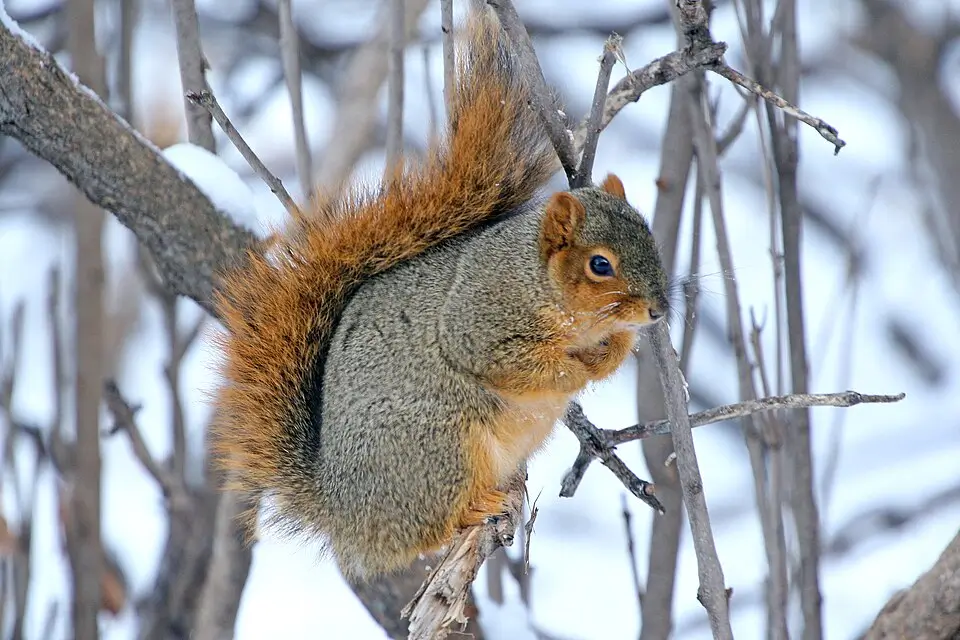
One of the fox squirrel's most distinctive features is its variable coloration. Unlike many wildlife species that display consistent coloring across their range, fox squirrels exhibit remarkable color variation. In the Midwest and Great Plains, individuals are commonly orange-brown or rust-colored on the belly with a grizzled gray or brownish-gray upper coat. In other parts of their range, particularly in the southeastern United States, melanistic (black) individuals are not uncommon. This variation can make fox squirrels appear almost like entirely different animals depending on where you encounter them.
The fox squirrel's tail is another hallmark feature — long, thick, and beautifully fringed, it serves multiple functions. It helps the animal balance while navigating branches, acts as a blanket during cold weather, and functions as a visual communication tool between individuals. When alarmed or agitated, a fox squirrel will flick its tail in sharp, distinctive movements to signal distress.
Fox squirrels are diurnal animals, meaning they are most active during daylight hours. They are particularly active in the early morning and late afternoon, making these prime windows for wildlife observation and hunting. Like other members of the squirrel family, they are scatter-hoarders — they bury nuts, seeds, and other food items in numerous small caches spread across their territory to sustain themselves during winter months when food is scarce. Remarkably, fox squirrels rely heavily on spatial memory to relocate these caches, though they do not always succeed, inadvertently planting trees and contributing to forest regeneration.
Breeding in fox squirrels typically occurs twice per year, with peak periods in late winter (January through February) and again in early summer (May through June). Females give birth to litters of two to four young after a gestation period of approximately 44 to 45 days. The young are born blind and hairless, fully dependent on their mother for the first several weeks of life. By around 12 weeks of age, juveniles begin to venture out on their own, though they may remain near the natal area for some time.
Fox squirrels communicate through a variety of vocalizations, including sharp barks, chattering calls, and softer chuckling sounds. They also use scent markings and body language to interact with one another, particularly during the breeding season when competition for mates intensifies.
Habitat & Range
The fox squirrel's range spans a broad swath of North America, covering much of the central and eastern United States and extending into portions of northern Mexico and southern Canada. Within the United States, fox squirrels are found from the Atlantic coast westward through the Great Plains, making them well-suited to the diverse landscapes of states like South Dakota.
Fox squirrels show a strong preference for open woodland habitats rather than dense, closed-canopy forests. They thrive at the edges of woodlands where trees meet open spaces — agricultural fields, prairies, meadows, and river corridors. This preference for edge habitat is one reason fox squirrels have adapted successfully to agricultural landscapes across the Midwest and Great Plains. They are commonly found in oak-hickory woodlands, river bottom forests dominated by cottonwood, elm, and walnut, and in open parkland-style tree stands.
In South Dakota, fox squirrels are associated with the river bottom woodlands and timbered draws that cut through the state's grassland and agricultural terrain. The Missouri River corridor and its associated tributaries provide valuable wooded habitat in a landscape that is otherwise characterized by open plains. These riparian woodland zones — featuring cottonwood, elm, green ash, and other hardwood species — offer both food and shelter for fox squirrel populations. The eastern portions of South Dakota, with their greater tree cover and proximity to the broader Midwest hardwood belt, tend to support higher densities of fox squirrels than the more arid western regions.
Unlike the gray squirrel, which prefers dense interior forests, the fox squirrel's affinity for open woodland edges makes it particularly well-suited to the patchwork of trees and agricultural land found throughout much of South Dakota. Crop fields adjacent to woodland corridors provide excellent foraging opportunities, especially during corn and soybean harvest seasons when waste grain supplements the squirrels' natural diet of mast, nuts, seeds, and fungi.
Hunting Information
The fox squirrel holds an honored place in American small-game hunting tradition. Hunting fox squirrels is often considered an excellent gateway into the broader world of hunting, requiring patience, fieldcraft, and a deep familiarity with woodland environments. For many hunters, fox squirrel hunting represents a cherished connection to a slower, more contemplative style of hunting that contrasts with fast-paced modern pursuits.
South Dakota offers a variety of hunting opportunities across its diverse landscapes, from the world-renowned pheasant hunting for which the state is internationally famous, to deer, turkey, waterfowl, and small game. The state's river bottom woodlands and wooded draws provide habitat for fox squirrels and represent unique hunting environments within the larger Great Plains setting.
Hunters pursuing fox squirrels typically use small-caliber rifles such as the .22 LR, or small-gauge shotguns loaded with light shot. Still-hunting — moving slowly and quietly through woodland habitat, pausing frequently to observe — is a productive method, as is sitting quietly at the base of a known den tree or mast-producing oak and allowing squirrels to reveal themselves naturally. The early morning and late afternoon activity windows align well with legal shooting hours in most jurisdictions.
For specific season dates, bag limits, licensing requirements, and any special regulations regarding fox squirrel hunting in South Dakota, hunters are strongly encouraged to consult the South Dakota Game, Fish and Parks (GFP) directly. The GFP is the official authority on all hunting regulations in the state, and regulations can change from year to year. Visiting the official South Dakota GFP website or contacting a local wildlife officer is the best way to ensure full compliance with current rules before heading afield.
Fox squirrel meat is often described as mild and flavorful, and has a long history in American wild game cuisine. Traditional squirrel stew, fried squirrel, and squirrel pot pie are regional favorites that transform a successful hunt into a memorable table experience.
Conservation
The fox squirrel's broad adaptability has allowed it to maintain healthy populations across much of its range, and the species is not currently considered threatened or endangered. However, local populations can be sensitive to significant changes in habitat quality, particularly the loss of mature woodland corridors and mast-producing trees.
Conservation of fox squirrels is closely tied to the health of the woodland ecosystems they inhabit. Protecting and restoring riparian woodland corridors — the strips of trees and shrubs along rivers, streams, and draws — is especially important in Great Plains states like South Dakota, where woodland habitat is naturally limited and fragmented. Landowner conservation programs, state wildlife management initiatives, and federal programs that support tree planting and habitat restoration along waterways all contribute positively to fox squirrel habitat.
As scatter-hoarders, fox squirrels play a measurable ecological role in forest regeneration. By caching seeds and nuts across the landscape and occasionally failing to retrieve them, fox squirrels effectively plant trees and contribute to the long-term diversity and health of forest communities. This makes the fox squirrel not just a game animal or an object of natural curiosity, but an active participant in shaping the landscapes of North America.
Responsible hunting, practiced within legally established frameworks and guided by sustainable harvest principles, represents one component of broader wildlife stewardship. State wildlife agencies like South Dakota's Game, Fish and Parks monitor small game populations and adjust regulations accordingly to maintain healthy, viable populations for future generations to enjoy.