Overview
Few wildlife encounters stir the soul quite like a face-to-face moment with a bull elk in his prime. Standing tall on a ridgeline at dawn, his breath rising in misty clouds above a golden meadow, the elk (Cervus canadensis) represents something primal and enduring about the North American landscape. Whether you are a seasoned hunter, a wildlife photographer, or simply a nature enthusiast, the elk commands attention, admiration, and respect. This remarkable animal is one of the largest members of the deer family, Cervidae, and holds a cherished place in both the ecological fabric of the continent and the cultural heritage of countless communities, including those of South Dakota.
Elk have roamed North America for thousands of years, their populations ebbing and flowing with the rhythms of climate, predation, human settlement, and conservation effort. Today, thanks to decades of dedicated wildlife management and hunter-funded conservation programs, elk herds have made an impressive comeback across many regions of the United States. From the forests of the Rocky Mountains to the rolling grasslands and river bottoms of the Great Plains, the elk remains a cornerstone species worthy of celebration and careful stewardship.
This article dives deep into the world of the elk — exploring its biology, habitat, range, hunting traditions, and the conservation story that has helped bring this iconic animal back from the brink of regional extinction.
Biological Traits
The elk, scientifically classified as Cervus canadensis, is one of the largest land mammals in North America and one of the largest species within the deer family worldwide. Adult bull elk are truly impressive animals, and even cows carry a substantial, athletic build that sets them apart from most other deer species found on the continent.
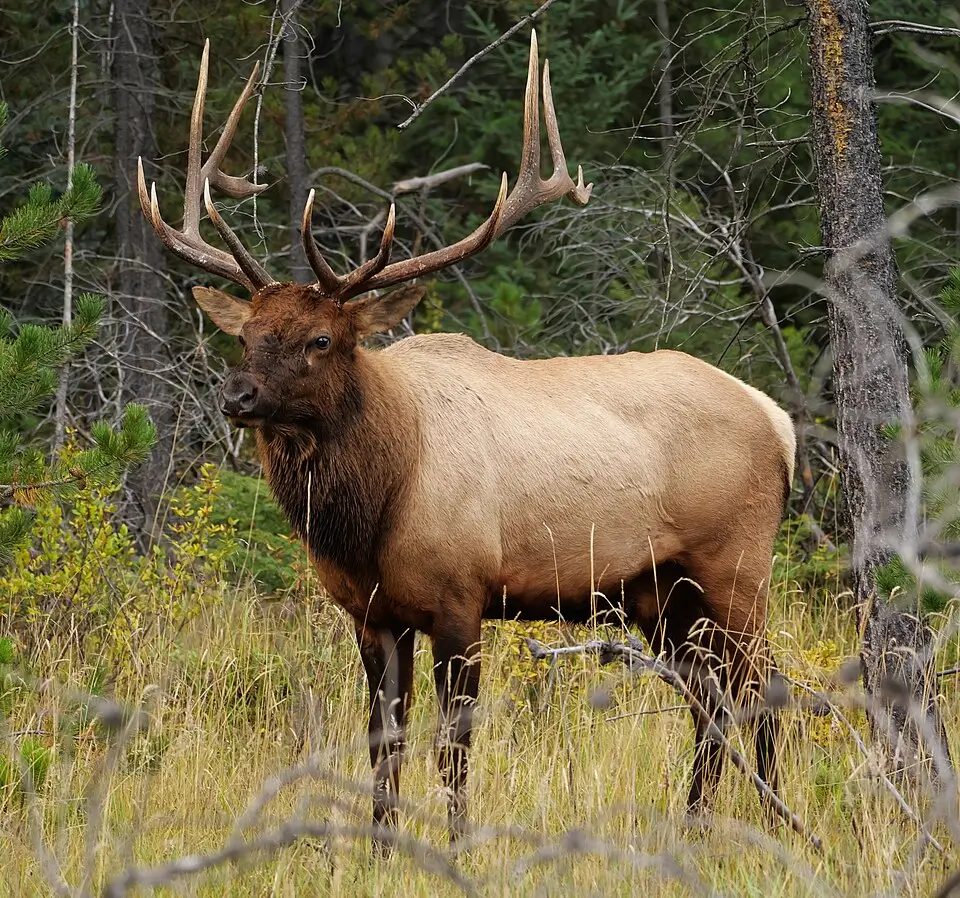
One of the most distinctive physical features of the elk is the antlers carried by the males. Bull elk grow and shed their antlers annually in a cycle driven by photoperiod — the changing ratio of daylight to darkness throughout the seasons. In the spring and early summer, bulls grow new antlers covered in a soft, nutrient-rich tissue known as velvet, which supplies blood and minerals to the rapidly developing bone structure beneath. By late summer, the velvet dries and peels away as testosterone levels rise, revealing the hardened, polished antler beneath. A mature bull's antlers can be a spectacular achievement of natural engineering, growing large and complex enough to span several feet in width.
Elk exhibit a wide range of vocalizations, but none is more iconic than the bugle — a haunting, melodic call that bulls use during the autumn rut to attract cows and challenge rival males. This bugling season, which typically occurs in the fall, is one of the most thrilling spectacles in North American wildlife. The sound carries for miles across open terrain and has the power to stop even the most experienced outdoorsman in his tracks.
Elk are highly social animals. Cows, calves, and young bulls tend to form larger herds for much of the year, offering protection through numbers. Mature bulls are more solitary outside of the breeding season but come together with cow herds during the rut. Calves, typically born singly in late spring, arrive spotted for camouflage and are remarkably precocial, able to stand and walk within hours of birth.
As herbivores, elk consume a wide variety of plant material. Their diet shifts seasonally to take advantage of available forage — grasses and forbs in the warmer months, and shrubs, bark, and woody vegetation during leaner winter periods. Their large bodies require substantial daily caloric intake, making them highly mobile foragers that may cover considerable distances in search of food and water.
Habitat & Range
Cervus canadensis is a highly adaptable species that occupies a broad range of habitats across North America. Historically, elk were distributed across much of the continent, from the Atlantic to the Pacific and from Canada into the northern reaches of Mexico. Westward expansion, habitat conversion, and unregulated hunting in the 18th and 19th centuries dramatically reduced their range and numbers. Conservation and reintroduction efforts over the 20th and 21st centuries have restored populations to many of these former ranges.
Today, elk are most densely concentrated in the Rocky Mountain West, where vast expanses of wilderness, national parks, and national forests provide the space and cover they require. States like Wyoming, Montana, Colorado, Idaho, and Oregon support some of the largest elk populations on the continent. Beyond the Rockies, elk have been successfully reintroduced or naturally expanded into states across the Great Plains, the Midwest, and even parts of the eastern United States.
South Dakota presents a fascinating case study in elk habitat diversity. The state encompasses a remarkable variety of landscapes — from the iconic Black Hills forests in the west, to sprawling Missouri River reservoirs, fertile river bottoms, mixed-grass prairies, and wetlands. The Black Hills region, in particular, offers the kind of forested terrain with adjacent open grasslands that elk find especially appealing. This combination of timber for cover and open areas for grazing makes it well-suited to supporting resident elk populations. South Dakota's diverse landscapes, as highlighted by the South Dakota Game, Fish, and Parks, include forests, river bottoms, grasslands, wetlands, and the vast Missouri River reservoir system — all of which can serve as seasonal habitat for elk and other large game.
Hunting Information
Elk hunting is one of the most physically demanding, logistically complex, and deeply rewarding pursuits available to North American hunters. The challenge of pursuing a mature bull elk in rugged terrain, combined with the sheer size and athletic ability of the animal, makes a successful elk hunt one of the most coveted accomplishments in the hunting world.
Hunters use a variety of methods to pursue elk, including archery, muzzleloader, and modern firearms seasons, depending on the regulations of the state or unit they are hunting. Calling during the rut is a particularly beloved technique — skilled hunters use cow calls, bugles, and other vocalizations to draw bulls within range. Spot-and-stalk hunting across open terrain and ridge-to-ridge glassing are also effective strategies, particularly in the West where vast landscapes reward patience and optics.
For hunters in South Dakota, the state offers a range of big game opportunities across its diverse landscapes. South Dakota is perhaps best known internationally for its world-class pheasant hunting — the South Dakota Game, Fish, and Parks notes that the average annual pheasant harvest over the past decade has reached approximately 1.2 million roosters — but the state's hunting portfolio extends well beyond upland birds. Big game hunters can pursue a variety of species across the state's varied terrain, and elk are part of that exciting offering.
Prospective elk hunters in South Dakota are strongly encouraged to consult the South Dakota Game, Fish, and Parks directly for current season dates, license requirements, application deadlines, and unit-specific regulations, as these details change from year to year and vary by management zone. Elk hunting in the state is typically managed through a controlled license system to ensure sustainable harvest and healthy herd management. Planning ahead, securing proper licensing, and familiarizing oneself with the specific unit being hunted are all essential steps for a successful and legal elk hunt.
Physical preparation is also key. Elk country, even in the rolling terrain of South Dakota, demands fitness and endurance. Hunters should train well in advance, practice consistently with their chosen weapon, and be prepared for the logistical challenges of packing out large quantities of meat from the field.
Conservation
The story of elk conservation in North America is one of the great success stories in wildlife management history. At the turn of the 20th century, rampant market hunting and habitat loss had reduced elk numbers to a fraction of their historical abundance. Populations that once numbered in the millions had been pushed to isolated pockets of wilderness, and local extinctions were common across large portions of the species' former range.
The recovery of the elk owes much to the cooperative model of wildlife conservation that emerged in the United States throughout the 20th century — a model funded in significant part by hunters through license fees, excise taxes on sporting goods, and contributions to organizations dedicated to habitat preservation. The Pittman-Robertson Wildlife Restoration Act, passed in 1937, created a dedicated funding stream from excise taxes on firearms and ammunition that has channeled billions of dollars into wildlife restoration, including elk recovery programs.
Elk also benefit from the management of public lands — national forests, Bureau of Land Management lands, state wildlife management areas, and national parks — that provide core habitat and seasonal range. Partnerships between state wildlife agencies, federal land managers, tribes, and private landowners have been essential to maintaining and expanding habitat connectivity for wide-ranging elk herds.
In South Dakota, wildlife management is guided by the South Dakota Game, Fish, and Parks, which oversees elk populations as part of a broader big game management program. The state's varied landscapes — including the Black Hills and Missouri River corridor — provide important habitat for elk, and ongoing management efforts aim to balance population objectives with habitat capacity and the interests of landowners and hunters alike.
As climate, land use, and predator-prey dynamics continue to evolve, the conservation of elk will require ongoing attention, scientific monitoring, and adaptive management. Hunters, wildlife agencies, and conservation organizations will all play a vital role in ensuring that future generations can experience the awe-inspiring sight and sound of elk in the wild.