Overview
Few animals embody the spirit of the American wilderness quite like the coyote. Known scientifically as Canis latrans, a Latin phrase meaning "barking dog," the coyote is one of the most recognizable, resilient, and fascinating predators on the North American continent. From the vast open prairies of the Great Plains to the dense forests of the Pacific Northwest and even the edges of major urban centers, the coyote has proven itself to be one of nature's most remarkable survivors. Its haunting, yip-filled howl echoing across a moonlit landscape is a sound that speaks to the wild heart of America — and nowhere is that wildness more palpable than in South Dakota.
South Dakota, a landlocked state situated in the North Central region of the United States and deeply embedded within the Great Plains, offers an extraordinary natural canvas for wildlife enthusiasts and hunters alike. Named after the Dakota Sioux tribe, this state is celebrated worldwide for its incredible hunting opportunities, its diverse landscapes, and its thriving populations of game animals. While South Dakota is perhaps most famously renowned for its pheasant hunting — boasting an average annual harvest of 1.2 million roosters over the past decade — the state's wildlife offering extends far beyond ring-necked pheasants. Coyotes are a key part of that broader hunting package, roaming freely across the state's forests, river bottoms, grasslands, wetlands, and the sweeping shorelines of the Missouri River reservoirs.
Understanding the coyote — its biology, behavior, habitat, and role in the ecosystem — is essential for anyone who wants to pursue this animal effectively or simply appreciate its place in the natural world.
Biological Traits
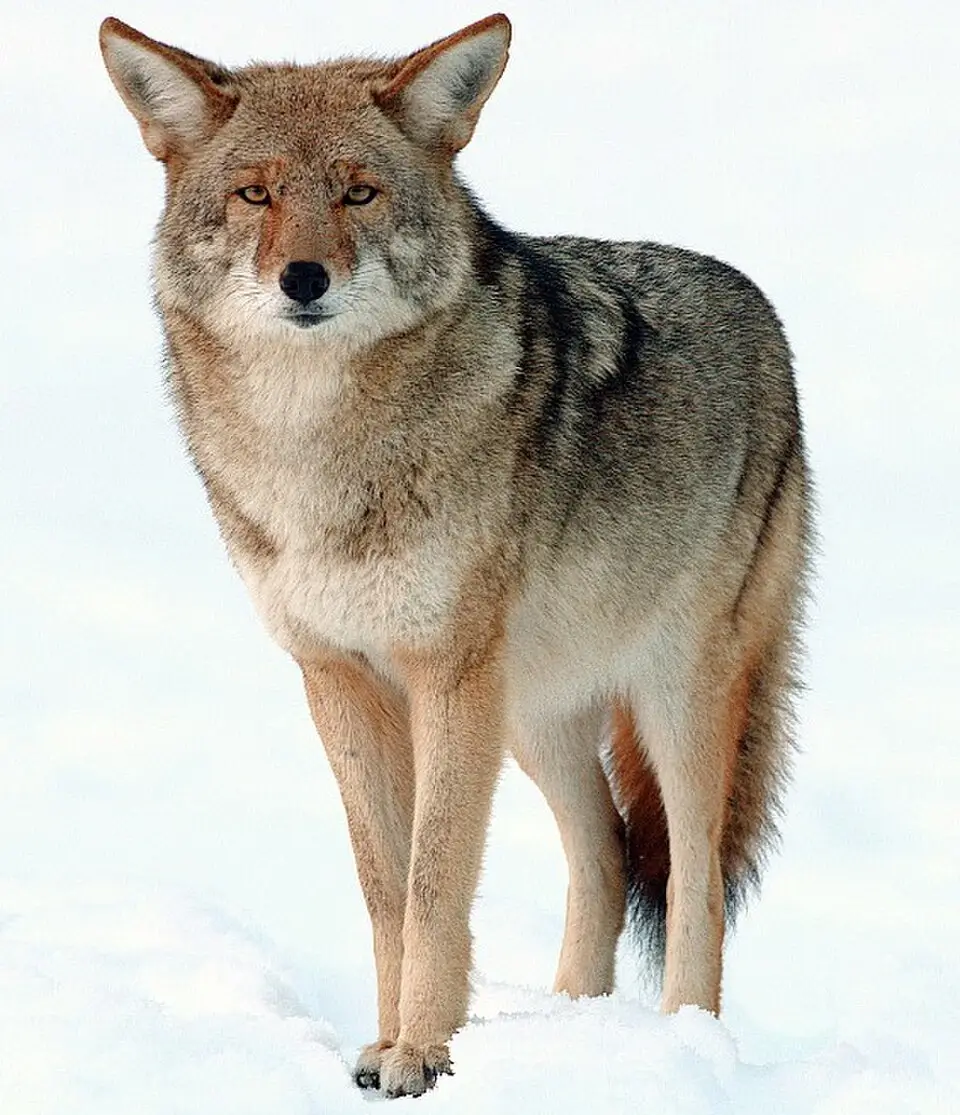
The coyote (Canis latrans) is a member of the family Canidae, which also includes wolves, foxes, and domestic dogs. It is a medium-sized canid, typically smaller than a gray wolf but larger than most foxes. Adult coyotes generally weigh between 20 and 50 pounds, with males tending to be larger than females. Their coat is typically a mix of gray, brown, and tan, often with a lighter underside, though coloration can vary significantly depending on geographic region and individual genetics.
One of the coyote's most distinctive physical features is its bushy, black-tipped tail, which it carries low when running — a trait that helps distinguish it from wolves, which tend to carry their tails more horizontally, and from foxes, which often carry their tails high. Coyotes have a narrow, pointed snout, large triangular ears, and keen, alert eyes that give them an intelligent and watchful expression. Their legs are long and lean, built for speed and endurance, and they are capable of running at speeds of up to 40 miles per hour when necessary.
Coyotes are highly intelligent animals with complex social structures. They are generally most active at dawn, dusk, and throughout the night, making them crepuscular and nocturnal in their primary habits, though they are frequently observed during daylight hours as well. Their vocalizations are among the most varied and expressive of any North American mammal — including howls, yips, barks, and whines — used to communicate with family members, establish territory, and coordinate group activities.
As opportunistic omnivores, coyotes have one of the most flexible and adaptable diets in the animal kingdom. Their menu can include small mammals such as rabbits, mice, voles, and ground squirrels, as well as birds, reptiles, insects, fruits, berries, carrion, and even garbage in urban environments. This dietary flexibility is a major factor in their extraordinary success as a species across such a wide range of environments.
Coyotes typically breed once per year, with mating occurring in late winter — generally between January and March. After a gestation period of approximately 63 days, females give birth to litters that typically range from three to twelve pups, though an average litter contains around six. Both parents participate in raising the young, and older offspring from previous litters may also assist in pup-rearing, a behavior that reinforces the coyote's reputation as a highly social and family-oriented animal.
Habitat & Range
Perhaps no other wild canid in the Western Hemisphere has demonstrated the same capacity for geographic expansion as the coyote. Historically, coyotes were primarily associated with the open prairies, deserts, and scrublands of western North America. However, over the past century and a half, their range has expanded dramatically eastward, northward, and southward. Today, coyotes can be found in every U.S. state, throughout Canada from Alaska to Newfoundland, and deep into Central America.
In South Dakota specifically, the coyote is right at home. The state's diverse landscapes — including its sweeping grasslands and prairies, its forested Black Hills region in the west, the river bottom corridors along the Missouri and its tributaries, extensive wetlands, and the broad agricultural plains — provide the coyote with everything it needs to thrive. The Great Plains, of which South Dakota is very much a part, represent one of the core historic habitats of Canis latrans, and the state continues to support robust coyote populations today.
Coyotes are remarkably adaptable in their habitat preferences. While they favor open or semi-open landscapes where they can use their keen eyesight to spot prey, they are equally at home in wooded areas, river bottoms, and even suburban and urban fringes. They tend to establish home ranges that vary in size depending on prey availability, terrain, and population density. In productive habitats, home ranges may be relatively small; in more arid or resource-limited areas, individual coyotes or pairs may range over much larger territories.
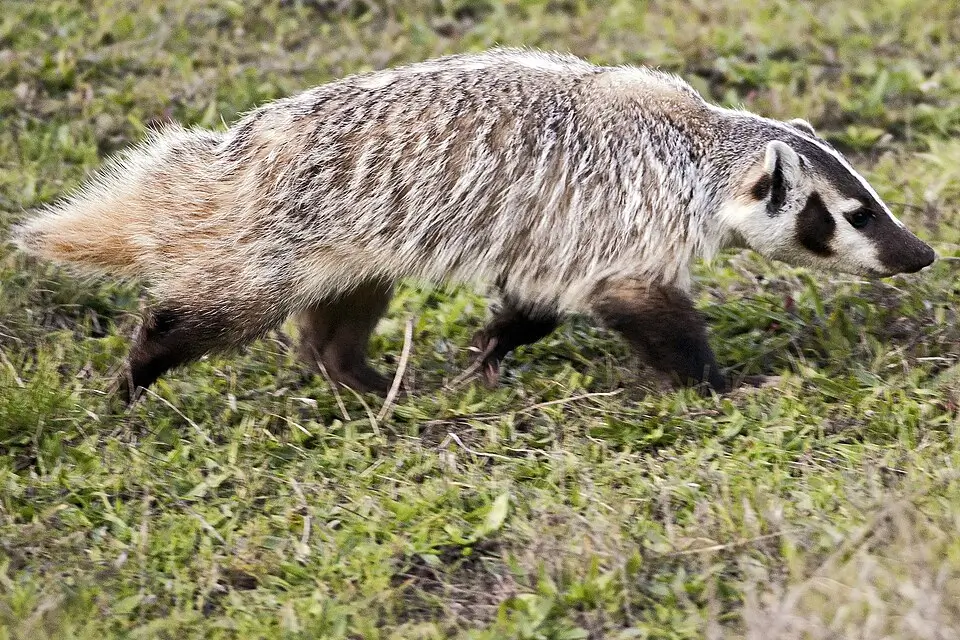
Their den sites are typically located in sheltered locations — brushy hillsides, hollow logs, rock outcroppings, or burrows dug by other animals such as badgers — where females give birth and raise their young in relative safety during the spring months.
Hunting Information
Coyote hunting in South Dakota is a cherished tradition that draws both resident hunters and out-of-state visitors to the region year-round. South Dakota Game, Fish and Parks manages hunting opportunities across the state's diverse landscapes, and coyote hunting is one of many sporting pursuits available to hunters exploring what the state has to offer. Whether you are a dedicated predator caller, a rifle enthusiast, or a hunter looking to add an exciting new dimension to your time afield, pursuing coyotes in South Dakota offers a unique and rewarding experience.
South Dakota's varied terrain makes it an exceptional destination for coyote hunters. The open grasslands and agricultural fields of the eastern plains provide long-range calling and shooting opportunities, while the river bottoms and forested areas of the western part of the state demand a different, more stealthy approach. Hunters typically employ electronic or mouth calls that mimic the sounds of distressed prey animals — cottontail rabbit squeals are a classic — along with coyote vocalizations to bring animals within shooting range.
Hunting coyotes often requires patience, good camouflage, and a thorough understanding of the animal's behavior. Coyotes have sharp senses of hearing, sight, and smell, making it important for hunters to approach setups from downwind, remain still once in position, and use terrain features to break up their outline. Cold winter months are widely regarded as one of the most productive times for coyote hunting, as the animals are more active during daylight hours and their fur is at peak condition — making them a prized target for both sport hunters and those interested in the fur trade.
For the most accurate and up-to-date information on licensing requirements, season dates, bag limits, and any applicable regulations for coyote hunting in South Dakota, hunters are strongly encouraged to consult directly with the South Dakota Game, Fish and Parks (SDGFP) at their official website or by contacting their offices directly. Regulations can change from year to year, and ensuring full compliance with state law is every hunter's responsibility.
Conservation
Despite being one of the most hunted and trapped wild mammals in North America, the coyote has not only maintained its population numbers but has actively expanded its range — a testament to the species' remarkable resilience and adaptability. Unlike many large predators that have experienced dramatic population declines due to habitat loss, persecution, and other human pressures, the coyote has thrived alongside human civilization, filling ecological niches left vacant by the decline of larger predators such as the gray wolf and mountain lion across much of the continent.
From a conservation standpoint, coyotes play an important role in maintaining healthy ecosystem balance. As a mesopredator, the coyote helps regulate populations of rodents, rabbits, and other small mammals, which in turn influences vegetation dynamics and the broader food web. Their presence in an ecosystem is a sign of ecological vitality, and they are recognized by wildlife biologists as a keystone species in many of the habitats they occupy.
Regulated hunting and trapping of coyotes contributes to wildlife management goals and helps maintain balance between predator and prey populations across South Dakota's diverse landscapes. When conducted responsibly and in accordance with state regulations, coyote hunting is a sustainable activity that supports both wildlife conservation efforts and the broader hunting heritage of the Great Plains.
South Dakota's hunting culture — celebrated by the South Dakota Game, Fish and Parks and deeply embedded in the state's identity — recognizes predator hunting as an integral part of responsible wildlife stewardship. Whether you are pursuing pheasants across the golden stubble fields, tracking whitetails through river bottom timber, or calling coyotes across a frosty winter prairie, South Dakota offers a hunting experience that connects you to the land and its wildlife in a profound and lasting way.