A Complete Guide to Lynx rufus — Biology, Habitat, and Hunting in South Dakota
Few creatures embody the wild spirit of the American landscape quite like the bobcat. Secretive, powerful, and remarkably adaptable, the bobcat (Lynx rufus) is the most widely distributed wild cat in North America. Found from the humid swamps of Florida to the rugged mountains of the Pacific Northwest, this medium-sized predator has carved out a remarkable ecological niche across an extraordinary range of environments. In South Dakota, the bobcat is a native resident that thrives across the state's diverse landscapes — from the rolling grasslands of the Great Plains to the forested ridges of the Black Hills.
Despite its widespread presence, the bobcat is rarely seen by casual observers. It moves with deliberate stealth, prefers the cover of dawn and dusk, and relies on patience and cunning to survive. For hunters and wildlife enthusiasts alike, a genuine encounter with a bobcat in the wild is a memorable experience — a fleeting glimpse of one of North America's most skilled and elegant predators. Understanding the biology, behavior, and conservation of this remarkable animal enriches the experience of those who pursue it and deepens our collective appreciation for the wild places it calls home.
Biological Traits
The bobcat (Lynx rufus) belongs to the family Felidae and is a member of the genus Lynx, making it a close relative of the Canada lynx (Lynx canadensis), the Eurasian lynx (Lynx lynx), and the Iberian lynx (Lynx pardinus). Despite sharing the genus with these other species, the bobcat is unique in its extraordinary adaptability and breadth of range.
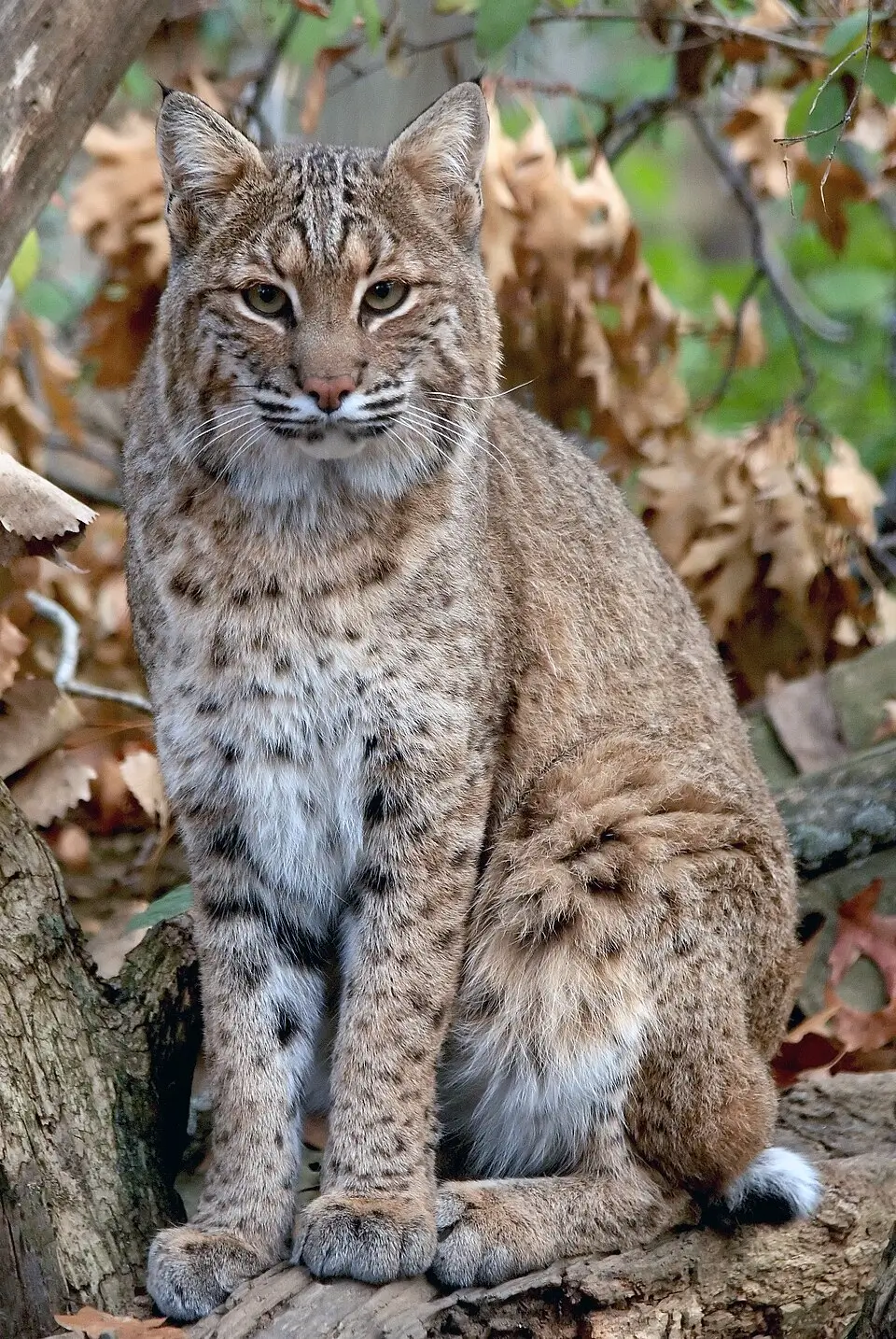
The bobcat takes its common name from its distinctive short, "bobbed" tail, which typically measures between four and seven inches in length and is marked with a black tip on the upper surface — a characteristic that helps distinguish it from the Canada lynx. Adult bobcats typically weigh between 11 and 30 pounds, with males generally larger than females. The body length of an adult usually falls between 26 and 41 inches, and they stand roughly 12 inches at the shoulder, making them roughly twice the size of a typical domestic cat.
The coat of a bobcat is one of its most striking features. The base coloration ranges from tawny brown to grayish-brown, adorned with dark brown or black spots and streaks. This dappled pattern provides exceptional camouflage in a wide range of environments. The underside is typically white or cream with dark spots, and the face is framed by a distinctive ruff of longer fur that gives the animal a slightly wild, tufted appearance. Short, pointed ear tufts — smaller than those of the Canada lynx — add to the animal's alert, fierce expression.
Bobcats are obligate carnivores, meaning their diet consists entirely of animal matter. Rabbits and hares make up the backbone of their diet in most parts of their range, but they are opportunistic hunters capable of taking a wide variety of prey. Rodents, squirrels, birds, white-tailed deer fawns, and even adult deer have all been documented as prey items. In leaner times, bobcats will readily consume carrion. Their hunting strategy typically involves patient stalking followed by a short, explosive ambush — a technique perfectly suited to the brushy, transitional cover they favor.
Bobcats are solitary animals except during the mating season, which generally occurs between February and March across much of their range. After a gestation period of approximately 60 to 70 days, females give birth to litters of one to six kittens, with two to three being the most common litter size. Kittens are born blind and helpless, and they remain with their mother for roughly nine to twelve months before dispersing to establish their own home ranges. Adult bobcats maintain distinct home ranges that vary considerably in size depending on prey availability, habitat quality, and individual sex — males typically maintain larger territories than females.
Bobcats are primarily crepuscular and nocturnal hunters, meaning they are most active during the hours around sunrise and sunset and throughout the night. However, they are not strictly nocturnal and can be encountered at any time of day, particularly in areas with lower human activity. Their senses of sight and hearing are exceptionally acute, and like all members of the cat family, they are capable of remarkable bursts of speed and agility over short distances.
The average lifespan of a wild bobcat is generally considered to be between seven and ten years, though individuals living in lower-pressure environments have been documented living considerably longer. In captivity, bobcats can live for 20 years or more.
Habitat & Range
The bobcat is the most geographically widespread native cat in North America, with a range extending from southern Canada through the contiguous United States and into central Mexico. This remarkable distribution is a testament to the species' ecological flexibility. While most wild cats are constrained to specific habitat types, the bobcat thrives in forests, deserts, swamps, scrublands, mountains, and agricultural edges — virtually any environment that provides adequate prey, cover, and denning opportunities.
In South Dakota, bobcats occupy a variety of habitat types that reflect the state's remarkable geographic diversity. South Dakota stretches from the tallgrass prairies and wetlands of its eastern reaches across the expansive mixed-grass prairies of the Great Plains, through the rugged badlands of the southwest, and into the pine-forested ridges and valleys of the Black Hills. Bobcats are at home in nearly all of these environments. The Black Hills region, with its dense ponderosa pine forests, rocky outcroppings, and abundant prey base, is particularly well-suited to the species. Similarly, the brushy river bottoms and canyon lands of western South Dakota provide excellent cover and hunting opportunities for resident bobcat populations.
South Dakota's diverse landscape — which includes forests, river bottoms, grasslands, wetlands, and the vast Missouri River reservoir system — supports a wide range of prey species that sustain bobcat populations across the state. White-tailed deer, cottontail rabbits, jackrabbits, pheasants, prairie dogs, and numerous rodent species all contribute to the prey base available to bobcats in South Dakota.
Bobcats demonstrate a preference for transitional zones — areas where two or more distinct habitat types meet — because these "edge" environments typically support the highest concentrations of prey species. Rocky terrain with abundant hiding spots and elevated vantage points is particularly attractive. Females with kittens tend to select den sites in dense brush, hollow logs, rock crevices, or similar well-concealed locations that offer protection from predators and harsh weather.
Hunting Information
The bobcat occupies a unique position in the hunting world. It is simultaneously one of the most challenging and most rewarding furbearers and game animals to pursue in North America. Its secretive nature, nocturnal tendencies, and keen senses make it a formidable quarry that demands patience, skill, and a thorough understanding of the animal's behavior.
South Dakota is widely recognized as a premier hunting destination, renowned worldwide for its exceptional pheasant hunting — with an average annual pheasant harvest of 1.2 million roosters over the past decade — and celebrated for its diverse game animals across varied landscapes. Bobcats are a native resident species in the state and represent an exciting and challenging pursuit for hunters who venture beyond the well-known upland bird fields.
South Dakota's Game, Fish, and Parks department oversees the management of wildlife resources across the state's diverse habitats, including forests, river bottoms, grasslands, wetlands, and the Missouri River reservoir system. Hunters interested in pursuing bobcat in South Dakota are encouraged to consult the South Dakota Game, Fish, and Parks directly for the most current and accurate information regarding licenses, seasons, and any applicable regulations, as these details can change from year to year and are best obtained from the official governing authority.
Common hunting methods for bobcat across their range include calling — using electronic or mouth-blown calls that mimic the sounds of distressed rabbits or other prey animals to lure bobcats within range — as well as trapping and trailing with hounds. Calling is perhaps the most popular method among modern hunters, combining woodsmanship with patience and a solid understanding of bobcat behavior. Successful callers pay close attention to wind direction, approach quietly to their setup locations, and exercise extreme patience, as bobcats may take considerable time to respond to a call or may hang up at the edge of cover before committing to approach.
The best habitat to target when hunting bobcats in South Dakota includes rocky, brushy terrain in western portions of the state, particularly in and around the Black Hills, as well as wooded river bottoms and canyon country that provide both cover and prey. Scouting for tracks, scrapes, and other sign in sandy or muddy substrate near water sources can help hunters identify active bobcat corridors and focal areas.
Conservation
The bobcat presents one of wildlife management's genuine success stories. Unlike many North American carnivores that have experienced dramatic range contractions or population declines, the bobcat has maintained robust populations across a vast geographic range. Its adaptability to a wide variety of habitats, its broad dietary flexibility, and its capacity to coexist with modified landscapes have all contributed to its resilience.
The species is currently listed as a species of least concern by the International Union for Conservation of Nature (IUCN), reflecting the stability and breadth of its global population. In the United States, bobcat populations are managed at the state level, with individual wildlife agencies responsible for setting seasons, harvest limits, and other regulatory measures designed to maintain healthy, sustainable populations.
Responsible hunting and trapping, conducted within state-regulated frameworks, plays an important role in bobcat conservation. Regulated harvest generates funding for wildlife management programs through license sales and related revenue streams, while also providing valuable population data that helps managers make informed decisions. The bobcat's pelt has historically held commercial value, providing economic incentive for skilled trappers and contributing to rural economies across the country.
Habitat conservation remains perhaps the single most important factor in the long-term wellbeing of bobcat populations. Maintaining and protecting the diverse landscapes that bobcats depend upon — forests, grasslands, riparian corridors, and rocky terrain — ensures that these remarkable animals continue to thrive for future generations of wildlife enthusiasts, hunters, and conservationists to appreciate. In a state as geographically diverse as South Dakota, the preservation of these varied habitats benefits not only the bobcat but the entire community of wildlife species that share its range.