Overview
Few animals capture the imagination of hunters, wildlife enthusiasts, and outdoor lovers quite like the white-tailed deer (Odocoileus virginianus). Graceful, adaptable, and deeply woven into the cultural fabric of North American life, the white-tailed deer stands as one of the continent's most recognizable and beloved wildlife species. From the dense hardwood forests of the eastern United States to the rolling prairies and cross-timbers of Oklahoma, this remarkable animal has proven itself to be one of nature's great survivors — thriving in an extraordinary range of environments and captivating generations of people who share the land with it.
Whether you encounter a white-tailed deer bounding through a misty meadow at dawn, or you spend months scouting and preparing for deer season each autumn, there is no denying the special place this species holds in the hearts of Americans. In Oklahoma alone, deer hunting represents not just a cherished outdoor tradition but also a vital part of the state's wildlife management strategy and rural economy. Understanding the biology, behavior, and conservation of the white-tailed deer enriches every experience we have with this magnificent animal.
Biological Traits
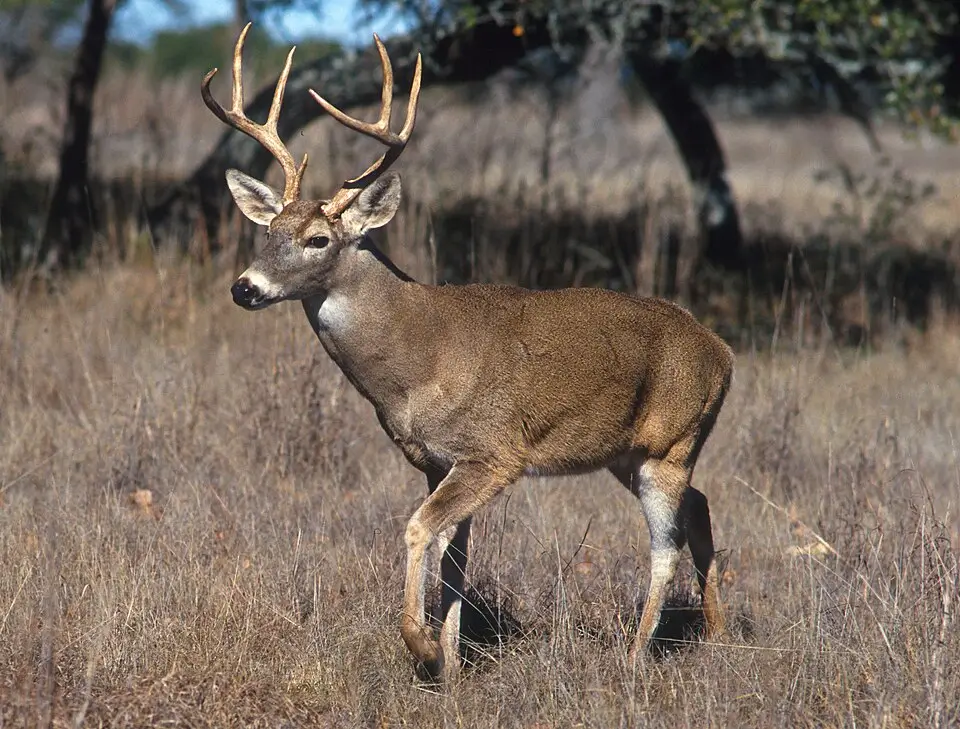
The white-tailed deer belongs to the family Cervidae — the deer family — and its scientific name, Odocoileus virginianus, references Virginia, where early European naturalists first formally documented the species. The name "white-tailed" comes from one of the animal's most distinctive features: the broad, white underside of the tail, which is dramatically raised and displayed as a flag-like alarm signal when the deer senses danger and flees. This behavior serves as both a warning to nearby deer and, arguably, a visual distraction to predators.
White-tailed deer exhibit a moderate body size that varies considerably across their vast range. Generally, bucks (males) are significantly larger than does (females), a trait known as sexual dimorphism. Mature bucks in northern climates can weigh well over 200 pounds, while deer in southern regions, including Oklahoma, tend to be somewhat smaller on average — though exceptional animals still reach impressive sizes. Their coats shift seasonally: a reddish-brown in summer transitions to a grayish-brown in winter, providing effective camouflage year-round.
One of the most celebrated biological features of the white-tailed deer is the antler development of the adult male. Bucks grow and shed a new set of antlers each year, beginning the growth cycle in spring when rising testosterone and longer daylight hours trigger the process. Growing antlers are covered in a soft, nutrient-rich tissue called velvet, which supplies blood flow and nutrients to the rapidly developing bone structure. By early autumn, bucks shed the velvet and enter the breeding season — known as the rut — with hardened antlers used for sparring with rival males.
The rut is arguably the most dramatic period in a white-tailed deer's annual cycle. During this time, typically peaking in November across much of the United States, bucks become highly active and travel widely in search of receptive does. Behaviors such as scraping the ground, rubbing antlers on trees, and vocalizing through grunt calls and snort-wheezes are all characteristic rut activities. Bucks largely abandon their typical cautious nature during the rut, making them more visible and active during daylight hours.
Does typically give birth to one to three fawns in late spring or early summer, after a gestation period of approximately 200 days. Fawns are born with a spotted coat that provides excellent camouflage among dappled forest undergrowth. Within hours of birth, fawns are capable of standing, and they grow remarkably quickly — by autumn, young deer are largely indistinguishable from their mothers in daily behavior, though they remain smaller in size.
White-tailed deer are herbivores with a highly varied diet that shifts with the seasons. They are classified as browsers and concentrate feeders, meaning they prefer tender leaves, shoots, fruits, nuts, and agricultural crops rather than relying primarily on grasses. Acorns are a particularly prized food source in autumn, providing high-energy nutrition ahead of winter. This dietary flexibility is one of the key reasons white-tailed deer have adapted so successfully to human-altered landscapes.
Habitat & Range
The white-tailed deer boasts one of the most expansive ranges of any large mammal in the Western Hemisphere. The species is found throughout most of the continental United States, southern Canada, Mexico, Central America, and into parts of South America. In the United States, white-tailed deer are absent only from a handful of western states where mule deer (Odocoileus hemionus) dominate the landscape.
The adaptability of white-tailed deer to diverse habitats is remarkable. They thrive in deciduous forests, mixed woodlands, river bottoms, agricultural edges, brushy grasslands, swamps, and even suburban areas. The species' preference for "edge habitat" — the transitional zones between forest and open land — has allowed it to flourish in the patchwork of farms, woodlots, and natural areas that characterize much of rural America.
In Oklahoma, white-tailed deer occupy a wide variety of ecological zones. The state's geography is extraordinarily diverse, encompassing the eastern forests of the Ouachita Mountains and Ozark Highlands, the red-clay Cross Timbers region, the fertile river bottoms of the Arkansas and Canadian Rivers, the rolling plains of central Oklahoma, and the rugged canyons of the western panhandle region. This ecological diversity makes Oklahoma a genuinely excellent destination for deer hunting and wildlife observation. River bottom habitats, with their abundant timber, water sources, and agricultural adjacency, tend to support particularly strong deer populations throughout the state.
Hunting Information
White-tailed deer hunting is one of the most popular outdoor pursuits in the United States, and Oklahoma proudly carries on this great tradition. The Oklahoma Department of Wildlife Conservation (ODWC) oversees deer hunting regulations throughout the state, working to ensure sustainable populations while providing quality hunting opportunities for residents and visitors alike.
Oklahoma hunters pursue white-tailed deer using a variety of methods, including archery, muzzleloader, and rifle hunting, with the state offering distinct seasons for each method. The ODWC manages deer hunting regulations carefully, taking into account population data, habitat conditions, and regional deer density when setting season frameworks and harvest guidelines. Hunters are encouraged to consult the most current ODWC Hunting Regulations for precise season dates, bag limits, license requirements, and any special rules that may apply to specific Wildlife Management Areas or counties.
The ODWC also maintains programs such as Big Game Reports, which help the agency track harvest data and monitor population trends across the state. Additionally, Oklahoma participates in Chronic Wasting Disease (CWD) monitoring — an important component of modern deer management that protects the long-term health of deer herds. Hunters play a critical role in CWD surveillance efforts by submitting deer samples during the season when requested.
For those new to the sport, Oklahoma Hunter Education programs provide essential training in firearm safety, wildlife identification, ethical hunting practices, and conservation principles. Oklahoma also offers the Oklahoma Land Access Program, which helps connect hunters with private landowners, expanding access to quality hunting opportunities across the state.
The rut period in Oklahoma generally makes for some of the most exciting deer hunting of the season, as bucks become more active and visible during daylight hours. Hunters using calls, scents, and decoys can capitalize on this behavioral window. Stand hunting near food sources such as oak mast, agricultural fields, and food plots — combined with travel corridors like creek drainages and ridge lines — are consistently productive strategies for Oklahoma deer hunters.
Conservation
The conservation story of the white-tailed deer in North America is genuinely one of wildlife management's greatest success stories. In the late 19th and early 20th centuries, market hunting and habitat loss had devastated deer populations across much of their range, with local extinctions occurring in many areas. Through the combined efforts of state wildlife agencies, conservation organizations, regulated hunting, and habitat restoration programs, white-tailed deer populations rebounded dramatically over the course of the 20th century.
Today, white-tailed deer are abundant across their range, and hunters serve as essential partners in wildlife conservation. License fees, excise taxes on hunting equipment — funded through the Federal Aid in Wildlife Restoration Act (Pittman-Robertson Act) — and direct hunter engagement generate hundreds of millions of dollars annually for wildlife management nationwide. In Oklahoma, the ODWC relies on these resources to manage not only deer but dozens of other species and their habitats.
Ongoing conservation priorities for white-tailed deer include monitoring and managing Chronic Wasting Disease, maintaining and improving habitat quality, and conducting ongoing population surveys to ensure hunting seasons are calibrated appropriately. Programs like Oklahoma Deer Share, managed by the ODWC, connect successful hunters with food banks and community organizations, ensuring that harvested venison benefits Oklahoma families while reducing waste.
The white-tailed deer's resilience and adaptability give wildlife managers reason for optimism. With continued responsible stewardship — including ethical hunting, habitat conservation, and community engagement — this extraordinary animal will continue to enrich the landscapes and outdoor traditions of Oklahoma and the broader United States for generations to come.