Overview
Few animals in North America command as much immediate recognition — and respectful distance — as the striped skunk (Mephitis mephitis). With its bold black-and-white coat and legendary chemical defense system, the striped skunk has carved out a unique and fascinating niche in the continent's wildlife tapestry. Far from being merely a roadside nuisance, this adaptable and highly intelligent mammal plays a critical role in the ecosystems it inhabits, from the dense forests of the eastern United States to the sprawling prairies of the Great Plains — including the diverse landscapes of Oklahoma.
The striped skunk is arguably the most well-known member of the family Mephitidae, a group of mammals whose name itself is derived from the Latin word for "bad odor." Yet behind that famous reputation lies a creature of remarkable biological sophistication, behavioral complexity, and ecological importance. Whether you're a wildlife enthusiast, a hunter, or simply a curious observer of the natural world, the striped skunk deserves far more appreciation than it typically receives.
Biological Traits
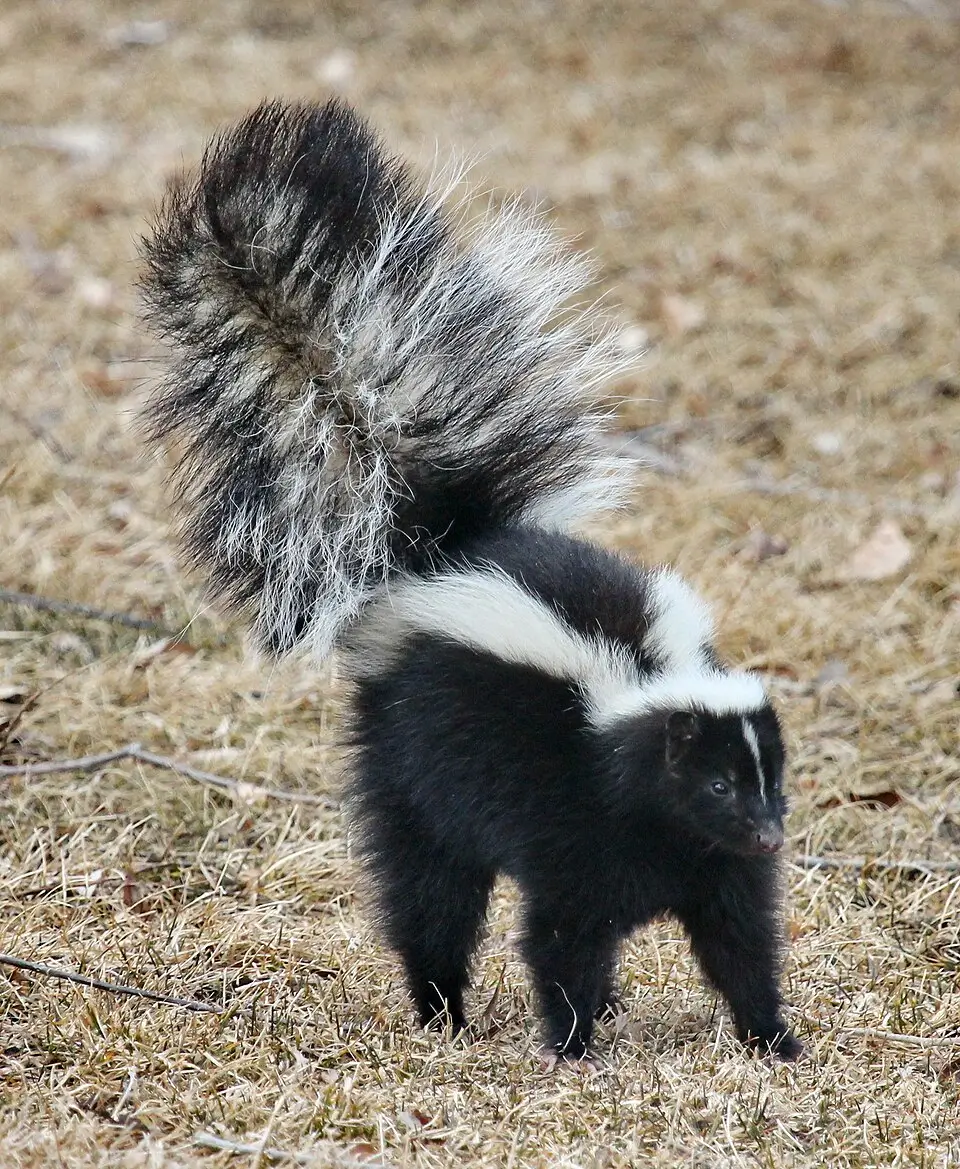
The striped skunk (Mephitis mephitis) belongs to the order Carnivora and the family Mephitidae. It is a medium-sized mammal, typically recognized by its distinctive black fur adorned with a bold white stripe that runs from the top of its head and splits into two stripes along its back, often meeting again near the base of the bushy, plumed tail. The exact patterning can vary between individuals — some skunks display wider stripes, others narrower ones, and some may show additional white spotting — but the general pattern is unmistakable.
The species is well-built for its lifestyle. Its muscular forelimbs are equipped with long, sturdy claws that make it an adept digger, capable of excavating insects, grubs, and small burrowing animals with impressive efficiency. The striped skunk's dentition reflects its omnivorous diet: it possesses both the sharp carnassial teeth suited for processing animal matter and the broader molars that help it grind plant material.
Perhaps the most iconic feature of the striped skunk is its scent glands, a pair of musk-producing organs located beneath the tail. These glands can project a sulfur-containing chemical called n-butyl mercaptan (also known as thiol) with remarkable accuracy — in some cases up to ten feet or more. Before deploying this chemical defense, skunks typically give a series of clear warning signals: stamping their front feet, raising their tail, and sometimes performing a handstand. These warning behaviors are an important part of the skunk's survival strategy, as producing and replenishing the musk supply takes time, and a skunk prefers to bluff before committing to a full spray.
Striped skunks are omnivores with a broad and opportunistic diet. They consume insects (particularly beetles, grasshoppers, and larvae), small rodents, bird eggs, amphibians, fruits, berries, nuts, and plant roots. This dietary flexibility is a key reason for the species' widespread success across such a broad geographic range. Skunks are known to be particularly valuable consumers of ground-nesting insects and agricultural pests, making them natural allies of farmers and gardeners.
The striped skunk is primarily nocturnal, though it may occasionally be seen at dusk or dawn. It does not hibernate in the true sense, but during cold winter months it enters a state of torpor — a period of reduced metabolic activity — during which it may remain in its den for weeks at a time, surviving on stored fat reserves. Females may den communally during winter for warmth, while males tend to den alone or in smaller groups.
Reproduction typically occurs in late winter or early spring, with females giving birth to litters of four to seven kits after a gestation period of approximately two months. The young are born blind and helpless but develop quickly, and by late summer they are generally capable of independent living. Females provide all parental care, and the kits remain with their mother through their first few months of life, learning foraging techniques and survival behaviors in the process.
Striped skunks have a relatively short natural lifespan, typically living two to four years in the wild, though individuals in captivity have been known to live considerably longer. Predators that regularly take skunks include great horned owls — which have a notably poor sense of smell — as well as coyotes, foxes, and bobcats. However, the musk defense is highly effective, and most mammalian predators learn quickly to avoid skunks after a single encounter.
Habitat & Range
The striped skunk is one of the most widely distributed mammals in North America. Its range extends from southern Canada through virtually all of the contiguous United States and into northern Mexico. This impressive geographic spread is a testament to the species' remarkable adaptability.
Striped skunks thrive in a wide variety of habitat types. They are equally at home in open grasslands, agricultural fields, woodland edges, brushy areas, suburban neighborhoods, and even urban green spaces. They tend to favor areas with a mix of open land for foraging and denser vegetation or structural features — rock piles, brush heaps, and buildings — that can serve as den sites. They are commonly associated with disturbed or edge habitats, which often provide the insects, small vertebrates, and plant foods that make up their diet.
In Oklahoma, the striped skunk occupies much of the state's varied landscape. Oklahoma's diverse geography — ranging from the tall-grass prairies of the northeast to the shortgrass plains of the Panhandle, the rugged Ouachita Mountains in the southeast, and the Cross Timbers forests of the central regions — provides an abundance of suitable skunk habitat. The state's extensive agricultural areas, river corridors, and woodland edges all support healthy skunk populations. It is not uncommon for Oklahomans in both rural and suburban settings to encounter striped skunks going about their nightly foraging.
Hunting Information
In many states, including Oklahoma, the striped skunk is classified as a furbearing animal and may be legally trapped or hunted. Hunting and trapping of furbearers like the striped skunk is regulated by the Oklahoma Department of Wildlife Conservation (ODWC). Hunters and trappers interested in pursuing striped skunks in Oklahoma are strongly encouraged to consult the most current Oklahoma Hunting Regulations published by the ODWC for up-to-date information on season dates, licensing requirements, and legal methods of take.
Skunk hunting and trapping has a long tradition in North America, particularly among fur trappers who have valued the animal's dense, glossy pelt. While the commercial fur market for skunk pelts has fluctuated over the decades, many trappers continue to pursue skunks as part of a broader furbearer trapping season. Trapping is typically the most common method of take, with cage traps and body-gripping traps both used effectively.
For hunters and trappers pursuing skunks in Oklahoma, awareness of the animal's habits is essential. Because skunks are primarily nocturnal and most active in the warmer months, effective scouting often involves locating signs such as diggings in lawns or fields (where skunks have excavated grubs and insects), tracks in soft soil, and the distinctive musky odor near potential den sites. Skunks tend to follow consistent routes between their dens and foraging areas, making trail cameras a useful scouting tool.
Safety is an important consideration for anyone working with or around striped skunks. In addition to the well-known spray hazard, skunks are one of the primary wildlife vectors for rabies in North America. Hunters and trappers should handle harvested animals with appropriate care and be aware of the signs of rabies infection in live animals, including unusual daytime activity, disorientation, and aggressive behavior.
Conservation
Despite the challenges posed by habitat loss, vehicle collisions, and disease — particularly rabies — the striped skunk remains a species of least concern from a conservation standpoint. Its adaptability, broad dietary range, and high reproductive potential allow it to maintain stable populations across most of its range. The species has demonstrated a notable ability to coexist with human development, finding food and shelter in suburban and even urban environments.
From an ecological perspective, the striped skunk is a genuinely valuable member of healthy ecosystems. As a consumer of insects, rodents, and other small animals, it helps regulate populations that might otherwise grow unchecked. Its role as an insectivore makes it particularly beneficial in agricultural settings, where it preys heavily on grubs and larvae that can damage crops and lawns.
Wildlife managers in Oklahoma and across the country continue to monitor furbearer populations, including the striped skunk, as part of broader wildlife management programs. Regulated hunting and trapping seasons are designed to keep populations in balance while providing traditional sporting and trapping opportunities for outdoor enthusiasts. The ODWC's commitment to science-based management ensures that furbearer populations, including the striped skunk, remain healthy and sustainable for future generations.
For wildlife observers, the striped skunk offers a compelling subject for study and appreciation. Understanding its behavior, biology, and ecological role transforms this often-misunderstood animal from a mere nuisance into one of North America's most fascinating nocturnal neighbors.