Overview
Few wild animals in North America capture the imagination quite like the raccoon. With its distinctive black facial mask, ringed tail, and nimble forepaws, Procyon lotor is one of the most recognizable creatures on the continent. Whether glimpsed raiding a suburban trash can under the glow of a streetlight or spotted at the water's edge in a remote woodland creek, the raccoon has earned a reputation as one of nature's most adaptable and clever mammals. Across the United States, from the dense hardwood forests of the Southeast to the rolling prairies and river bottoms of Oklahoma, raccoons thrive in an extraordinary range of environments, making them a familiar presence for outdoor enthusiasts, hunters, farmers, and casual nature observers alike.
The raccoon's Latin name, Procyon lotor, translates roughly to "the washer before the dog," a reference both to its taxonomic placement and to its well-observed habit of manipulating and apparently "washing" its food near water. This behavior, combined with its dexterous front paws and highly intelligent problem-solving abilities, has made the raccoon a subject of fascination for scientists, hunters, and wildlife watchers for centuries. Indigenous peoples across North America revered the raccoon, and early European settlers quickly recognized its value for both its warm, durable fur and its role as a game animal. Today, raccoons remain one of the most popular furbearers and small game species pursued by hunters throughout the United States, including the diverse landscapes of Oklahoma.
Biological Traits
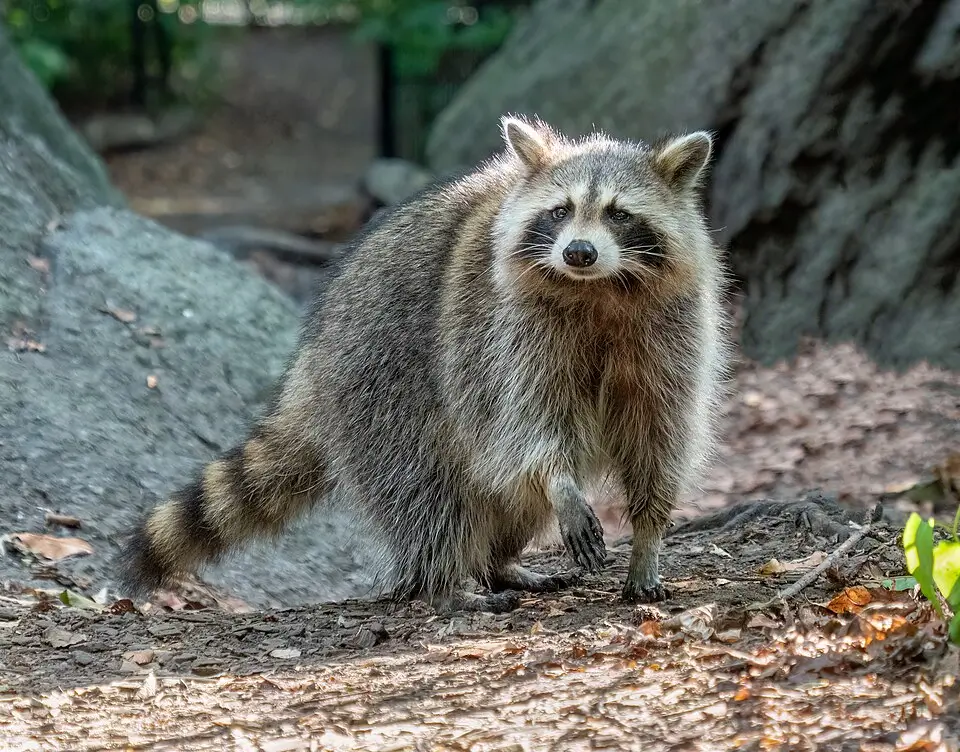
The raccoon is a medium-sized mammal belonging to the family Procyonidae, a group that also includes coatis, ringtails, and olingos. Adult raccoons typically present a stout, robust body covered in thick, grayish-brown fur that provides excellent insulation during cold months. The iconic black mask across the eyes is bordered by white fur and serves as one of the most immediately identifiable markings in the North American mammal world. The bushy tail, marked with alternating rings of dark and light fur, typically measures a significant portion of the animal's overall body length and adds to the raccoon's distinctive silhouette.
One of the raccoon's most remarkable anatomical features is its front paws. Equipped with five highly dexterous digits and no opposable thumb, raccoon forepaws are extraordinarily sensitive and capable. The density of mechanoreceptor cells in their front paws is among the highest of any mammal, giving raccoons an exceptional sense of touch. This tactile sensitivity allows them to identify objects by feel alone, which is why they are so adept at opening latches, lifting lids, and extracting food from seemingly secure containers. Their nimble paws also allow them to catch fish, crayfish, and other aquatic prey with remarkable efficiency.
Raccoons are omnivores with a highly varied diet that shifts with the seasons and available resources. They consume fruits, nuts, berries, insects, worms, frogs, fish, crayfish, bird eggs, small mammals, and carrion. This dietary flexibility is one of the primary reasons raccoons have been so successful at colonizing virtually every habitat type in North America, including urban and suburban environments. In autumn, raccoons enter a period of hyperphagia — intensive eating — to build up fat reserves for winter. While raccoons in northern climates may enter a state of torpor during the coldest months, those in southern states like Oklahoma remain largely active year-round, thanks to the region's milder winters.
Raccoons are primarily nocturnal, conducting most of their foraging and social activities after dark. Their eyes contain a reflective layer called the tapetum lucidum, which enhances their night vision and produces the characteristic eyeshine seen when a light is shone in their direction. Despite their largely solitary foraging habits, raccoons are not entirely antisocial. Related females may share overlapping home ranges, and males may travel significant distances during the breeding season in search of mates.
Breeding in raccoons typically occurs in late winter, with females giving birth to litters of cubs in spring after a gestation period of approximately 63 to 65 days. Litters commonly range from two to five young, which are born blind and helpless. The cubs develop rapidly under their mother's care, opening their eyes within a few weeks and beginning to explore the world outside the den by early summer. Young raccoons typically remain with their mother through their first winter before dispersing to establish their own territories the following spring.
Habitat and Range
The raccoon is one of the most widely distributed mammals in North America. Its range extends from southern Canada through the contiguous United States and into Central America. Over the past century, raccoon populations have expanded dramatically, partly due to their remarkable adaptability and partly due to changes in land use, forest fragmentation, and the abundance of food sources near human settlements.
In their natural state, raccoons show a strong preference for wooded areas near water. Riparian corridors — the strips of woodland lining rivers, streams, and lakes — represent ideal raccoon habitat, providing the combination of den sites in hollow trees, abundant water, and rich food sources that the species favors. However, raccoons are equally at home in agricultural landscapes, where corn fields, orchards, and farm ponds offer ample foraging opportunities, and in suburban and urban areas, where bird feeders, garden plots, compost bins, and unsecured garbage provide reliable food sources.
Oklahoma's diverse geography makes it excellent raccoon country. The state spans a remarkable variety of landscapes, from the Ozark Highlands and Ouachita Mountains in the east to the shortgrass prairies and canyon lands of the west, with rolling cross timbers, fertile river valleys, and dense bottomland forests in between. The river systems that wind through Oklahoma — including the Arkansas, Canadian, Red, Cimarron, and Verdigris rivers — create exactly the type of riparian woodland habitat that raccoons favor most. The state's mix of agriculture, timber, and river bottomland supports robust raccoon populations throughout most of its counties, making Oklahoma a rewarding destination for hunters and trappers pursuing this species.
Hunting Information
Raccoon hunting is one of the oldest and most storied hunting traditions in North America. Long before deer hunting with firearms became widespread, the pursuit of raccoons with hounds on autumn and winter nights was a cherished cultural practice throughout the rural United States. This tradition remains alive and vibrant today, particularly in states like Oklahoma where the combination of good raccoon habitat and a strong hunting heritage supports an enthusiastic community of "cooners" — hunters who pursue raccoons with trained hound dogs.
The classic method of raccoon hunting involves hunting at night with a pack of trained hounds, typically breeds such as the Black and Tan Coonhound, Treeing Walker Coonhound, Bluetick Coonhound, or Redbone Coonhound. The dogs track the raccoon's scent trail through the darkness until they tree their quarry, at which point the hunters follow the sound of the hounds and dispatch the treed raccoon. This style of hunting demands patience, good ears, and a willingness to tromp through dense bottomland timber in the dark — qualities that dedicated coon hunters possess in abundance.
In Oklahoma, raccoon hunting falls under the oversight of the Oklahoma Department of Wildlife Conservation (ODWC), which manages the state's wildlife resources and establishes regulations governing the hunting of furbearers and small game species. Hunters interested in pursuing raccoons in Oklahoma are strongly encouraged to consult the ODWC's current hunting regulations and licensing requirements directly through the department's official resources, as season dates, bag limits, and licensing requirements can change from year to year. The ODWC provides comprehensive hunting information on its official website, including details on seasons, licenses, and public lands open to hunting. Oklahoma's system of Wildlife Management Areas (WMAs) provides significant public hunting access for raccoon hunters throughout the state.
Beyond the traditional hound hunting method, raccoons are also taken by trappers, who target them primarily for their fur. Raccoon pelts have been valued in the North American fur trade since the earliest days of European settlement, and trapping remains a legal and regulated activity in Oklahoma. Trappers interested in pursuing raccoons should likewise consult current ODWC regulations for trapping seasons, license requirements, and legal methods.
Conservation
Raccoons are classified as a species of least concern by wildlife conservation organizations, reflecting their stable and abundant populations across their range. Their extraordinary adaptability has allowed them to thrive even as many other wildlife species face habitat loss and population declines. In many areas, raccoon populations are actually considered robust enough to sustain significant hunting and trapping pressure without conservation concern.
Regulated hunting and trapping have historically played an important role in managing raccoon populations and maintaining healthy ecosystems. Raccoons can, when populations become very dense, exert significant pressure on ground-nesting bird populations, turtle nests, amphibian communities, and agricultural crops. Responsible hunting and trapping help maintain population balance, demonstrating once again the important role that regulated harvest plays in modern wildlife management.
Wildlife managers in Oklahoma, as in other states, monitor furbearer populations including raccoons to ensure that hunting and trapping seasons are sustainable and that populations remain healthy. The work of the Oklahoma Department of Wildlife Conservation in managing and conserving the state's wildlife resources ensures that raccoons — and the hunting traditions associated with them — will remain a part of Oklahoma's outdoor heritage for generations to come.