Overview
Few birds evoke the spirit of the American countryside quite like the Northern bobwhite. Its unmistakable whistled call — a clear, rising "bob-WHITE!" — has been the soundtrack of rural landscapes across the eastern and central United States for generations. Whether you are a seasoned upland hunter, a birdwatcher, or simply someone who has spent time outdoors in the American South, the Northern bobwhite (Colinus virginianus) is a species that leaves a lasting impression.
This small but spirited quail occupies a unique place in both the ecological fabric of North American landscapes and in the cultural traditions of American hunting. From the pine flatwoods of Florida to the rolling tallgrass prairies of Oklahoma, the bobwhite has long been celebrated as one of the most prized and beloved upland game birds on the continent. Understanding this bird — its biology, its habitat needs, its place in the hunting tradition, and the conservation challenges it faces — is essential for anyone who values the outdoors.
This article takes a comprehensive look at the Northern bobwhite, with a particular focus on what makes it such a remarkable species and why hunters and conservationists alike continue to champion its cause across Oklahoma and beyond.
Biological Traits
The Northern bobwhite (Colinus virginianus) belongs to the family Odontophoridae, the New World quail family. It is the only native quail found east of the Mississippi River, and it remains one of the most recognizable small game birds in North America.
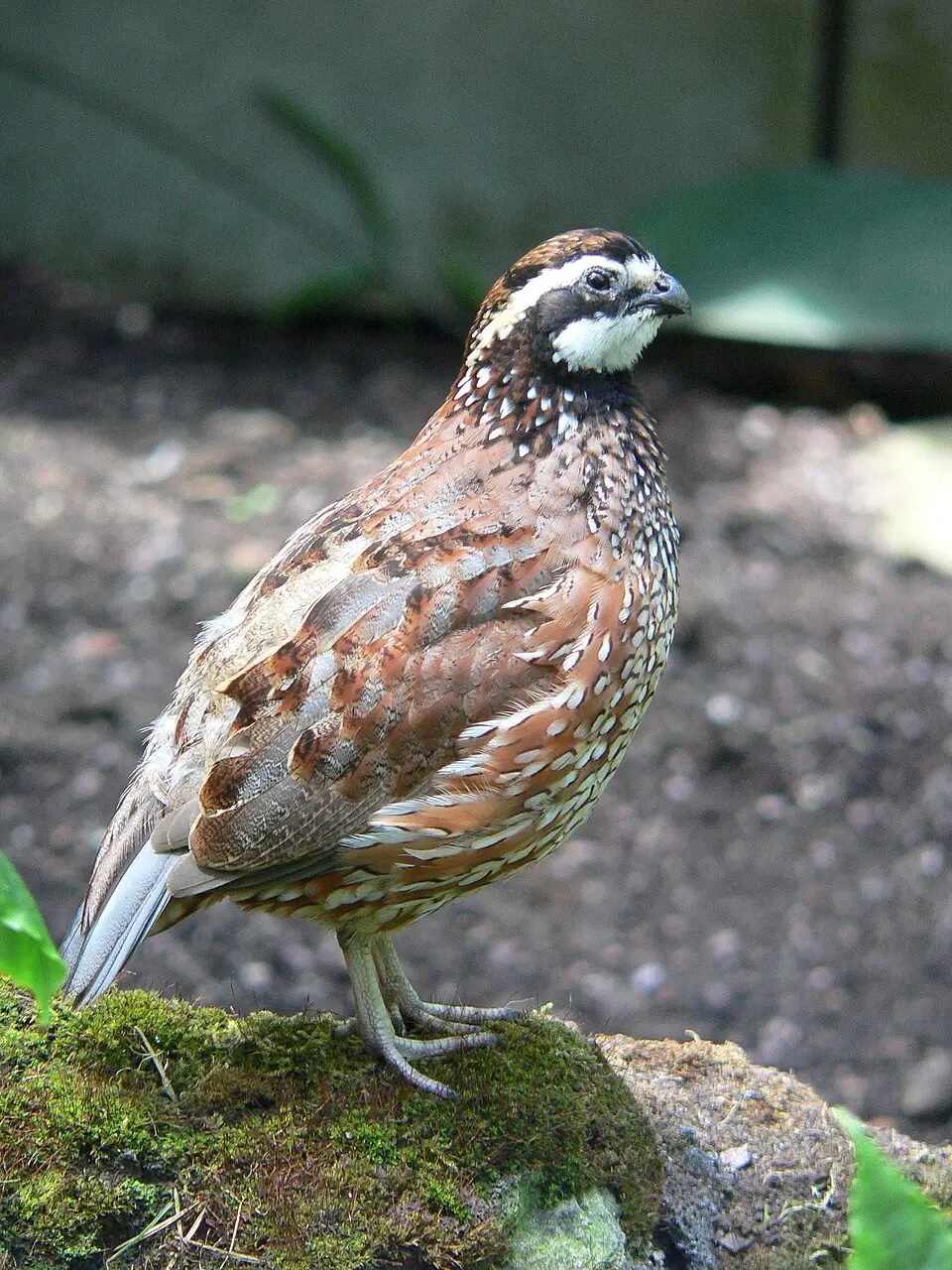
The bobwhite is a compact, round-bodied bird, perfectly built for life at ground level. Adult birds display a rich, complex plumage patterned in warm tones of chestnut, black, white, and buff. Males are distinguished by a bold white supercilium — the stripe above the eye — and a white throat patch that contrasts sharply against darker facial markings. Females display similar patterning but with buffy or tan tones replacing the white, giving them a softer overall appearance that provides excellent camouflage among dried grasses and leaf litter.
One of the most fascinating aspects of Northern bobwhite biology is its social structure. Outside of the breeding season, bobwhites gather into groups known as coveys, typically ranging from a handful of birds to more than a dozen individuals. Covey life provides multiple benefits: more eyes watching for predators, shared warmth during cold nights when the birds roost together in a tight circle with tails inward and heads outward, and efficient use of the landscape for foraging.
Breeding season begins in late spring and extends well into summer — and the bobwhite's reproductive strategy is notably flexible. Both males and females may incubate eggs, and males are known to take on significant parental duties, including brooding and leading chicks after hatching. This shared parental investment is somewhat unusual among North American game birds. Clutch sizes are generous, often ranging from twelve to sixteen eggs, which helps offset the species' relatively high natural mortality rate.
The Northern bobwhite is an omnivore, though its diet shifts with the seasons. In warmer months, it consumes a wide variety of insects, which provide critical protein, especially for growing chicks. As the year progresses into fall and winter, seeds from native grasses, legumes, and agricultural crops become the dietary foundation. This dietary flexibility is one of the reasons the bobwhite can thrive across such a wide geographic range, from the brushy pastures of Oklahoma to the agricultural edges of the Midwest.
The bobwhite's vocalizations are among the most beloved in American wildlife. The male's signature "bob-WHITE!" call is used to establish territory and attract mates during the breeding season. Additional calls include a soft assembly whistle used by scattered covey members to regroup, a behavior that hunters and bird dogs have long learned to anticipate and use to their advantage.
Habitat and Range
The Northern bobwhite is distributed broadly across the eastern and central United States, ranging from the Atlantic Coast westward into the Great Plains and southward through Mexico and into parts of Central America. Within the United States, the species is most strongly associated with the South and the lower Midwest, where a combination of open woodland, shrubby edge habitat, and agricultural land provides year-round resources.
Oklahoma sits at an ecologically interesting intersection for this species. The state's diverse geography — encompassing shortgrass prairie in the panhandle, mixed-grass prairie across the central plains, oak-hickory woodlands in the east, and Cross Timbers scrubland in between — creates a mosaic of potential bobwhite habitat. Oklahoma has historically supported robust bobwhite populations, particularly in areas where open grassland transitions into brushy draws and hedgerows.
The Northern bobwhite is fundamentally a bird of edges and transitions. It thrives where open ground for foraging meets dense, low shrubby cover for escape and loafing, and where native bunchgrasses provide the loose, airy structure ideal for nesting. Habitat that includes a mixture of native warm-season grasses, leguminous forbs, shrubby thickets, and some open bare ground tends to support the highest densities of bobwhites.
Agricultural landscapes can provide excellent bobwhite habitat when managed appropriately. Fencerows, field margins, weedy ditches, and brushy woodlot edges all contribute to the patchwork structure that bobwhites need throughout the year. The shift away from these heterogeneous, small-scale agricultural patterns toward large-scale row crop farming has been one of the primary drivers of habitat loss across much of the species' range.
Hunting Information
The Northern bobwhite holds a place of honor in the American upland hunting tradition. Quail hunting, as it is broadly known, is one of the oldest and most culturally embedded forms of bird hunting in the United States. In states like Oklahoma, quail hunting is deeply woven into rural identity, representing both a recreational pursuit and a connection to the land that stretches back generations.
Hunting bobwhites is a sport that rewards patience, preparation, and partnership — particularly the partnership between hunter and bird dog. Pointing breeds such as the English pointer, German shorthaired pointer, and Brittany spaniel have been developed and refined over centuries specifically for upland bird hunting, and the sight of a dog locked on point over a hidden covey is one of the most iconic moments in all of American outdoor sport.
In Oklahoma, the Northern bobwhite is managed as a game bird by the Oklahoma Department of Wildlife Conservation. Hunters interested in pursuing bobwhite quail in Oklahoma are encouraged to consult the most current Oklahoma Hunting Regulations for specific season dates, bag limits, and licensing requirements, as these details are subject to change each year. The Oklahoma Department of Wildlife Conservation provides up-to-date hunting regulations and resources through its official channels.
Oklahoma's public lands, wildlife management areas, and the Oklahoma Land Access Program (OLAP) offer opportunities for hunters to pursue quail in appropriate habitats across the state. The OLAP program, in particular, provides hunters with access to private lands enrolled by landowners willing to open their property to public hunting, making it a valuable resource for those looking for quality quail habitat.
For those new to quail hunting, the experience offers a unique combination of walking through beautiful landscapes, watching a skilled bird dog work, and the exhilaration of a covey flush — a sudden, explosive burst of wings and motion that demands quick thinking and practiced shooting. Quail are typically hunted with lightweight shotguns in smaller gauges, with open chokes suited for the relatively close-range shots that covey flushes typically present.
Beyond the hunt itself, the bobwhite quail tradition encompasses a broader culture of land stewardship, outdoor education, and conservation ethic. Many of the most dedicated quail hunters are also among the most committed advocates for habitat management and wildlife conservation.
Conservation
The Northern bobwhite has experienced significant population declines across much of its range over the past several decades. These declines are broadly attributed to landscape-level habitat changes, including the loss of native grasslands, the conversion of diverse agricultural landscapes to intensively managed monocultures, the suppression of fire (which historically maintained the open, brushy structure that bobwhites require), and the expansion of suburban development.
Conservation organizations including Quail Forever, the National Bobwhite Conservation Initiative, and various state wildlife agencies have made the Northern bobwhite a focal species for grassland and upland habitat restoration efforts. Initiatives aimed at restoring native warm-season grasses, reintroducing prescribed fire, and encouraging landowners to adopt bobwhite-friendly land management practices are all part of ongoing recovery efforts.
In Oklahoma, the state's wildlife management programs and hunting regulations are designed with conservation as a foundational principle. The Oklahoma Department of Wildlife Conservation works to balance recreational hunting opportunity with the long-term sustainability of quail populations through science-based management.
Hunters themselves play a critical role in bobwhite conservation. Through the purchase of hunting licenses and participation in programs supported by excise taxes on sporting goods — established under the Federal Aid in Wildlife Restoration Act, commonly known as the Pittman-Robertson Act — hunters directly fund the research, habitat work, and wildlife management that benefit the Northern bobwhite and dozens of other species.
The Northern bobwhite is a species that, more than almost any other, illustrates the connection between healthy landscapes and rich hunting traditions. Supporting the habitat conditions that sustain bobwhite populations ultimately supports an entire community of wildlife — from native pollinators to grassland songbirds — making quail conservation a broadly meaningful cause.