Overview
Among the many fascinating wildlife species that call North America home, the gray fox (Urocyon cinereoargenteus) stands out as one of the most unique and captivating members of the canid family. Often overshadowed by its more widely recognized cousin, the red fox, the gray fox possesses a suite of remarkable biological traits and behavioral adaptations that have allowed it to thrive across an impressive range of habitats throughout the continent. In states like Oklahoma, where diverse landscapes stretch from rolling plains to dense woodlands, the gray fox occupies an important ecological niche and represents a meaningful part of the region's rich wildlife heritage.
Whether you are a wildlife enthusiast hoping to catch a glimpse of this elusive creature in the early morning light, a hunter pursuing small game across the Oklahoma countryside, or simply a curious reader wanting to learn more about North American wildlife, the gray fox offers a compelling story. From its salt-and-pepper coat to its extraordinary ability to climb trees — a skill virtually unheard of among canids — this species never fails to impress those who encounter it. This article explores the gray fox in depth, covering its biological traits, preferred habitats, range across North America, hunting opportunities particularly in Oklahoma, and its current conservation status.
Biological Traits
The gray fox (Urocyon cinereoargenteus) belongs to the family Canidae and is one of only two members of the genus Urocyon, the other being the island fox (Urocyon littoralis) found on California's Channel Islands. The scientific name itself is descriptive and elegant: Urocyon derives from the Greek words for "tailed dog," while cinereoargenteus comes from Latin meaning "ashy silver" — a fitting nod to the animal's distinctive coloration.
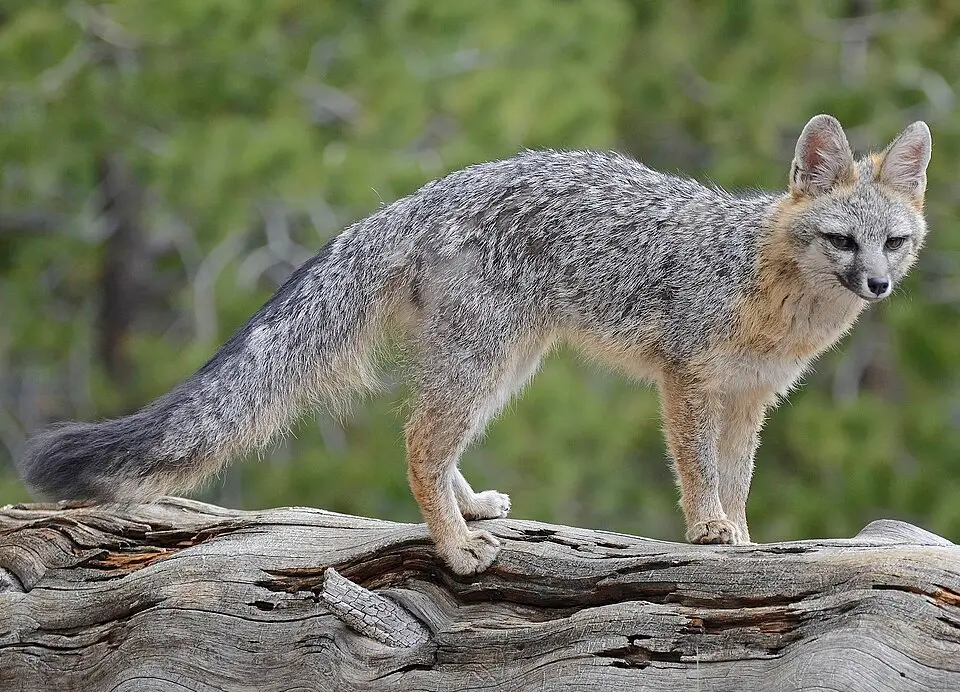
The gray fox is immediately recognizable by its grizzled gray upperparts, which give the species its common name. The coat features a striking combination of colors: gray along the back and top of the head, rusty-red or tawny coloring along the sides, neck, and legs, and white or cream-colored underparts. A distinctive black stripe runs along the top of the tail, ending in a black tip — a detail that helps distinguish it from the red fox, which typically has a white-tipped tail. The face often shows a reddish-brown mask and lighter muzzle markings, giving the gray fox an almost fox-like refinement in its facial appearance.
In terms of size, the gray fox is a medium-sized canid, generally smaller and more compact than a coyote but comparable in size to a red fox. It is well-proportioned and agile, with semi-retractable claws — another rare feature among canids — that provide exceptional grip when climbing.
Perhaps the most extraordinary biological trait of the gray fox is its ability to climb trees. While most members of the dog family are ground-bound, the gray fox uses its strong, hooked claws to ascend trees with surprising ease. It can shimmy up vertical trunks, leap between branches, and descend headfirst or by jumping. This behavior serves multiple purposes: escaping predators, accessing food sources such as fruit and bird eggs located in the forest canopy, and finding elevated resting spots. This tree-climbing ability is considered a hallmark characteristic of the species and sets it apart from virtually every other canid in North America.
Gray foxes are omnivores with a highly adaptable diet. They consume small mammals such as cottontail rabbits, mice, and voles, as well as birds, insects, fruits, berries, and plant matter. This dietary flexibility is one of the reasons the gray fox has been so successful across a wide range of environments. Their feeding habits shift seasonally, with plant material becoming more prominent in late summer and fall when fruits and berries are abundant.
Like other canids, gray foxes are primarily crepuscular and nocturnal — most active during the twilight hours of dawn and dusk, as well as throughout the night. They tend to be more secretive and less visible than some other fox species, which contributes to their somewhat mysterious reputation among wildlife observers. Mating typically occurs in late winter, and after a gestation period of roughly 53 days, the female (called a vixen) gives birth to a litter of kits, usually ranging from one to seven offspring. Both parents participate in raising the young, with the male (known as a dog fox or reynard) bringing food to the den while the female nurses the kits. By late summer or early fall, the young foxes disperse to establish their own territories.
Habitat & Range
The gray fox boasts one of the broadest geographic ranges of any North American canid. Its range extends from southern Canada through most of the contiguous United States, all the way through Mexico and into Central America and parts of northern South America. This wide distribution reflects the species' remarkable adaptability to a variety of environments.
In terms of preferred habitat, the gray fox shows a distinct preference for mixed woodlands, brushy areas, and forest edges. Unlike the red fox, which tends to favor open fields and agricultural areas, the gray fox is more closely associated with forested and shrubby terrain. It thrives in areas where dense cover provides both protection from predators and ample hunting opportunities. Rocky terrain, overgrown ravines, and riparian corridors along streams and rivers are all habitats where gray foxes feel at home.
In Oklahoma, the gray fox finds an ideal combination of habitats. The state's diverse geography — ranging from the Cross Timbers and Ouachita Mountains in the east to the rolling plains and river bottoms across the central and western portions — provides a mosaic of woodland, brush, and open country that suits the gray fox perfectly. The eastern and central regions of Oklahoma, with their oak-hickory woodlands and brushy creek drainages, are particularly well-suited to this species. Gray foxes are commonly encountered across much of the state wherever suitable cover exists.
The species' preference for wooded and brushy cover, combined with its nocturnal tendencies, means that most Oklahomans who live near suitable habitat may have gray foxes living closer than they realize, often denning in hollow logs, rock crevices, or dense brush piles near the edges of wooded areas.
Hunting Information
The gray fox has a long tradition as a quarry species for hunters across North America, including in Oklahoma. Hunting gray fox can be a challenging and rewarding pursuit that tests a hunter's fieldcraft, patience, and knowledge of the animal's habits.
Gray fox hunting in Oklahoma falls under the jurisdiction of the Oklahoma Department of Wildlife Conservation (ODWC), which oversees hunting regulations throughout the state. Hunters interested in pursuing gray fox in Oklahoma are strongly encouraged to consult the most current Oklahoma Hunting Regulations provided by the ODWC, as specific season dates, licensing requirements, and any applicable rules can be updated from year to year. The ODWC's official website serves as the definitive resource for current and accurate regulatory information.
Gray foxes are commonly pursued using predator calling techniques. Electronic or mouth-blown calls that mimic the sounds of distressed prey animals — such as a wounded rabbit — can be highly effective at bringing curious or hungry foxes within range. Hunters often set up near woodland edges, brushy creek bottoms, or field margins adjacent to forested areas, all of which are prime gray fox habitat in Oklahoma.
Still hunting and trapping are also traditional methods used to harvest gray fox. The fur of the gray fox, while not as commercially prominent as it once was during the height of the fur trade, still holds value among trappers and wildlife enthusiasts. Many hunters and trappers appreciate the gray fox not only for its pelt but for the challenge and skill required to successfully pursue such a wary and intelligent animal.
Because the gray fox is nocturnal and most active during low-light conditions, night hunting with appropriate equipment — where permitted under Oklahoma regulations — can increase success rates for hunters willing to brave the dark hours. As always, hunters should verify all applicable rules with the ODWC before heading afield.
Conservation
The gray fox is currently listed as a species of Least Concern on the IUCN Red List, reflecting its wide range, adaptable nature, and relatively stable population across most of its habitat. Unlike some wildlife species that have faced dramatic declines due to habitat loss and human activity, the gray fox has demonstrated considerable resilience.
That said, the gray fox does face certain pressures. Habitat fragmentation caused by urban development can reduce the availability of the wooded, brushy terrain the species depends upon. The encroachment of coyotes and other competitors into gray fox habitat can also create challenges, as coyotes may outcompete or even prey upon gray foxes in some circumstances. Disease, particularly mange and rabies, can affect local populations.
In Oklahoma and across much of its range, the gray fox benefits from the presence of large tracts of public and private land that support healthy woodland and brushy habitat. Responsible wildlife management, including regulated hunting and trapping seasons administered by agencies like the ODWC, plays a role in maintaining balanced wildlife populations. Conservation-minded hunters and trappers who follow regulations and practice ethical harvest contribute meaningfully to wildlife management efforts.
The gray fox's adaptability — its willingness to climb trees, shift its diet seasonally, and exploit a wide variety of habitats — positions it well for long-term survival in a changing landscape. For wildlife observers and hunters in Oklahoma and across North America, the gray fox remains a cherished part of the natural world: elusive, resourceful, and endlessly fascinating.