Overview
Few animals command attention in the wilderness quite like the elk. Known scientifically as Cervus canadensis, the elk is one of the largest members of the deer family (Cervidae) and stands as one of the most iconic wildlife species in North America. With its impressive antlers, resonant bugling call, and commanding physical presence, the elk has captured the imagination of hunters, wildlife enthusiasts, and conservationists for generations.
Whether you encounter one silhouetted against a crimson Rocky Mountain sunset or catch a glimpse of a small herd navigating the rolling hills of the Ouachita region in Oklahoma, the experience of seeing an elk in the wild is one that stays with you. This guide explores the biological traits, habitat preferences, hunting traditions, and conservation story of this extraordinary animal — and examines what elk mean to hunters and wildlife lovers in Oklahoma and across North America.
Biological Traits
The elk, Cervus canadensis, belongs to the order Artiodactyla (even-toed ungulates) and the family Cervidae. It is closely related to other members of the deer family, including white-tailed deer, mule deer, moose, and caribou. Elk are among the largest land mammals in North America, with bull elk capable of reaching substantial body sizes that make them a formidable presence on the landscape.
Size and Physical Appearance
Bull elk are significantly larger than cows. Adult bulls typically weigh between 700 and 1,100 pounds, though larger individuals have been recorded. Cows are considerably smaller, generally weighing between 500 and 600 pounds. Both sexes stand roughly four to five feet at the shoulder, giving them an imposing stature.
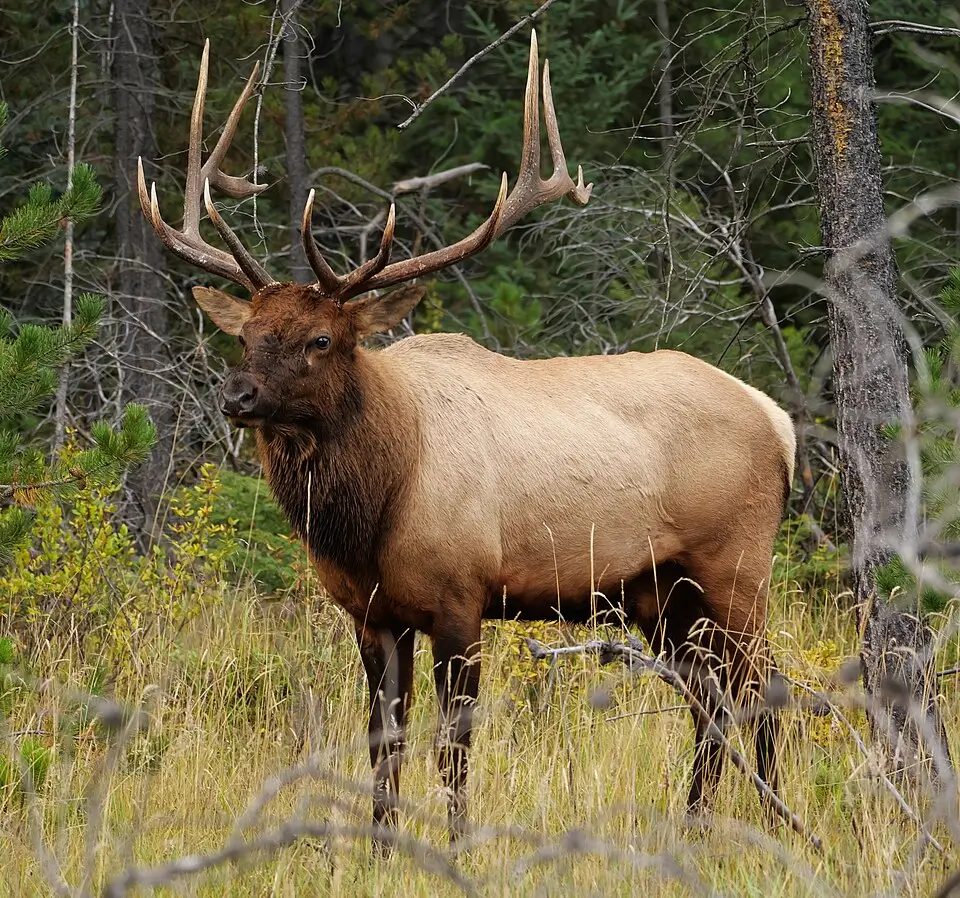
Elk have a distinctive coat coloration that changes with the seasons. In summer, their coat takes on a reddish-brown to tawny hue, while in winter the fur becomes darker and thicker to protect against cold temperatures. One of the most recognizable physical features of the elk is the large, pale yellowish or cream-colored rump patch, which is a key field identification marker.
Antlers
Perhaps the most celebrated feature of the bull elk is its antlers. Antlers are grown and shed annually and are composed of bone. During the spring and summer growing season, antlers are covered in velvet — a soft, nutrient-rich skin that supplies blood and supports rapid growth. By late summer, the velvet is shed, revealing the hardened, polished antlers that bulls carry through the fall rut and into winter.
A mature bull elk can carry a rack with six or more points per side, and a full set of antlers can weigh upwards of 40 pounds. The largest and most symmetrical antlers are associated with mature bulls in their prime, typically between six and ten years of age. Record-class antlers are measured and recorded by organizations that recognize exceptional trophies from North American big game hunting.
The Rut
The annual rut — or breeding season — is one of the most dramatic wildlife events in North America. Occurring in late summer through early fall, the rut is defined by bulls bugling, sparring, gathering harems of cows, and competing aggressively for breeding opportunities. The bull's bugle is a haunting, multi-toned vocalization that carries for great distances through forest and meadow alike. Few sounds in nature are as evocative as the bugle of a bull elk echoing through an autumn mountain valley.
During the rut, bulls are highly active, often forgoing food and sleep in favor of tending their harems and challenging rival bulls. This intense activity can result in significant weight loss for dominant bulls by the end of the breeding season.
Diet and Feeding Habits
Elk are herbivores and highly adaptable grazers and browsers. Their diet shifts with the seasons — in spring and summer, they primarily graze on grasses, forbs, and sedges. As the seasons change and vegetation matures or becomes dormant, elk transition to browsing on shrubs, tree bark, and other available plant materials. This dietary flexibility is one of the key factors that allows elk to thrive across a wide range of environments.
Habitat & Range
Elk are a highly adaptable species and historically occupied a vast range across North America. Before European settlement, elk roamed from coast to coast and from Canada deep into Mexico. Today, the largest populations are found in the western United States, particularly in states like Colorado, Montana, Wyoming, Idaho, and Oregon. Smaller but significant populations also exist in parts of the Midwest and the East, including areas where elk have been successfully reintroduced.
Preferred Environments
Elk are often associated with open meadows bordered by forests — environments that provide both the forage they need and the cover they seek for safety and shelter. They are highly mobile animals and may migrate seasonally between lower-elevation winter ranges and higher-elevation summer ranges, sometimes covering dozens of miles in these seasonal movements.
Elk thrive in a variety of habitats including montane forests, grasslands, shrublands, and river bottoms. Their adaptability makes them one of the more resilient large mammals in North America.
Elk in Oklahoma
Oklahoma may not be the first state that comes to mind when one thinks of elk country, but the species has a meaningful history and presence in the state. The Wichita Mountains Wildlife Refuge in southwestern Oklahoma hosts a well-known elk herd that has existed for over a century. This herd traces its origins to elk reintroduced in the early 1900s and today serves as a symbol of successful wildlife restoration.
Oklahoma's landscape — with its mix of cross-timbers woodland, prairie grasslands, and rugged mountain terrain — provides suitable habitat for elk in select areas. The Oklahoma Department of Wildlife Conservation (ODWC) actively manages elk populations in the state and provides information and resources for hunters interested in pursuing elk through controlled and regulated programs.
Hunting Information
Elk hunting is one of the most revered and challenging pursuits in North American big game hunting. It demands physical conditioning, woodsmanship, patience, and skill. An elk hunt — whether in the high country of the Rockies or the rugged terrain of Oklahoma's wildlife management areas — is an experience that hunters often describe as transformative.
General Hunting Approach
Elk can be hunted by multiple methods, including archery, muzzleloader, and rifle. Calling — mimicking the bugle or cow calls of elk — is a particularly exciting and effective technique during the rut when bulls are actively seeking cows and responding to challenges from rival bulls. Still hunting, glassing open meadows from vantage points, and tracking are other well-regarded methods.
Hunting Elk in Oklahoma
Oklahoma offers elk hunting opportunities managed by the Oklahoma Department of Wildlife Conservation (ODWC). Hunters interested in pursuing elk in Oklahoma should consult the ODWC's official hunting regulations, as elk hunting in the state is subject to specific licensing and permit requirements. Oklahoma utilizes a controlled hunt system for certain big game species, which means that hunters typically apply for limited permits through a draw process.
Prospective elk hunters in Oklahoma are strongly encouraged to visit the Oklahoma Department of Wildlife Conservation's official website and review the most current hunting regulations and season information. The ODWC provides detailed guidance on application deadlines, legal hunting methods, and designated hunting areas. Given the regulated nature of elk hunting in Oklahoma, staying up to date with official ODWC announcements and guidelines is essential for any hunter hoping to draw a tag.
As with all big game hunting in Oklahoma, hunters must hold appropriate and valid hunting licenses issued by the state. The ODWC's resources, including their Hunting Seasons and Controlled Hunts information pages, are the authoritative sources for current season dates, license requirements, and application procedures.
Conservation
The story of the elk in North America is, in many ways, a conservation success story. By the late 19th and early 20th centuries, market hunting and habitat loss had drastically reduced elk populations across much of their historic range. Entire regions that had once supported thriving herds were left devoid of these animals.
Thanks to coordinated efforts by state and federal wildlife agencies, conservation organizations, and the hunting community — including funds generated through hunting license sales and excise taxes under the Federal Aid in Wildlife Restoration Act (Pittman-Robertson Act) — elk were successfully reintroduced to many parts of their former range. Today, elk populations across North America number in the hundreds of thousands, a remarkable turnaround from the precarious situation of a century ago.
Oklahoma's Wichita Mountains elk herd stands as a particularly inspiring example of this conservation legacy. What began as a small reintroduction effort has grown into a self-sustaining population that enriches the ecosystem and provides wildlife viewing and hunting opportunities for Oklahomans.
Ongoing conservation challenges include habitat management, disease monitoring (including Chronic Wasting Disease, which the ODWC actively monitors in Oklahoma), and maintaining healthy population levels that balance ecological sustainability with hunting opportunity. Hunters, through the purchase of licenses and participation in regulated seasons, continue to be among the most important contributors to elk conservation funding.
Conclusion
The elk — Cervus canadensis — is a living symbol of North America's wild heritage. From its towering antlers and soul-stirring bugle to its resilience as a species that has returned from the brink, the elk commands respect and admiration. In Oklahoma, the elk's presence in places like the Wichita Mountains represents both a conservation triumph and an ongoing commitment to responsible wildlife stewardship.
Whether you are a seasoned elk hunter, a wildlife photographer, or simply someone who appreciates the wonders of the natural world, the elk offers something extraordinary. For those who hope to pursue elk in Oklahoma, engaging with the Oklahoma Department of Wildlife Conservation's resources is the essential first step toward a memorable and legally compliant hunting experience.