A Complete Guide to Lynx rufus in Oklahoma and Beyond
Few animals capture the imagination of hunters, naturalists, and outdoor enthusiasts quite like the bobcat. Sleek, secretive, and remarkably adaptable, the bobcat (Lynx rufus) is North America's most widespread wild cat and one of the continent's most fascinating predators. Found from the sun-baked deserts of the Southwest to the dense hardwood forests of the East, and from the Canadian border southward into Mexico, this medium-sized feline has carved out a remarkable niche across an extraordinary range of ecosystems.
In Oklahoma, the bobcat occupies a particularly interesting ecological role. The state's diverse landscapes — ranging from the shortgrass prairies of the Panhandle to the Ouachita Mountains in the southeast, from the rolling Cross Timbers to the marshlands along the Red River — provide ideal habitat for this versatile predator. Understanding the bobcat means understanding one of nature's most perfectly engineered hunters, a creature that has thrived alongside human civilization while remaining largely invisible to those who share its territory.
Whether you are a hunter pursuing this elusive quarry, a wildlife photographer hoping to capture a fleeting glimpse, or simply a curious naturalist wanting to learn more, this guide offers a comprehensive look at the bobcat's biology, behavior, habitat preferences, and its place in Oklahoma's outdoor heritage.
Biological Traits
The bobcat, Lynx rufus, belongs to the family Felidae and is one of four species within the genus Lynx, which also includes the Canada lynx, the Iberian lynx, and the Eurasian lynx. Among its North American relatives, the bobcat is notably more adaptable and widespread than its cousin the Canada lynx, which is largely restricted to boreal forests and closely tied to snowshoe hare populations.
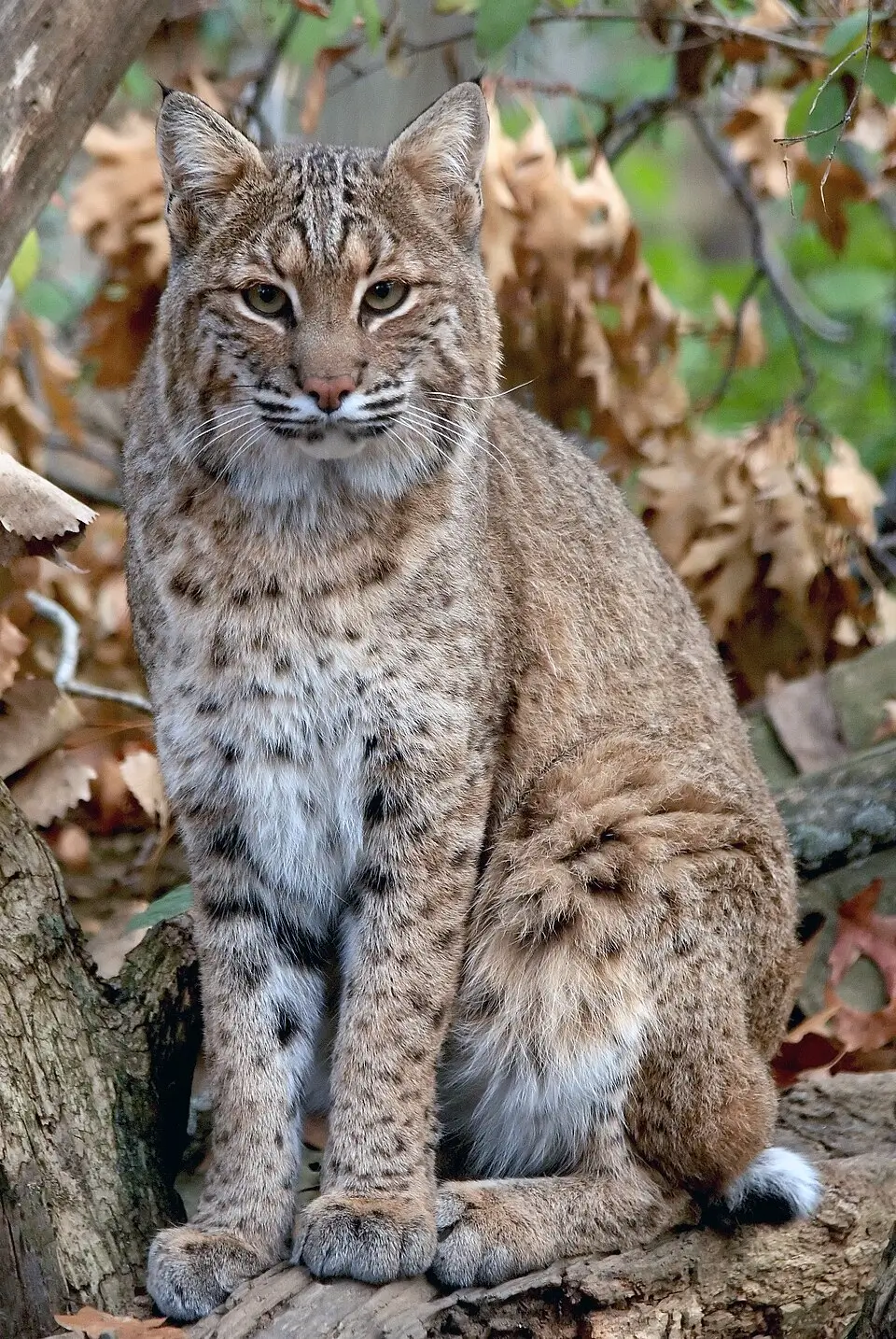
Physically, the bobcat is a medium-sized cat with a distinctive and memorable appearance. Its name comes from its characteristic short, "bobbed" tail, which typically measures between four and seven inches in length and is marked with black bars and a black tip on the upper surface, with a white underside — a feature that helps distinguish it from the Canada lynx, whose tail tip is entirely black. The bobcat's coat is tawny to grayish-brown with dark streaks and spots that provide excellent camouflage in nearly every habitat the animal occupies. The fur on the belly and the insides of the legs is typically white or pale, also marked with dark spots.
One of the bobcat's most striking features is its facial ruff — a ring of longer fur framing the face — and its pointed, tufted ears. These ear tufts, while less pronounced than those of the Canada lynx, enhance the animal's hearing and contribute to its alert, expressive appearance. The bobcat's eyes are yellow with round pupils, well-adapted to low-light conditions, making it an effective hunter during dawn, dusk, and nighttime hours.
Adult bobcats are considerably larger than the average house cat but smaller than a mountain lion. Males are generally larger than females, reflecting typical felid sexual dimorphism. The animals are built for stealth and explosive bursts of speed rather than sustained pursuit — powerful hindquarters allow them to pounce with precision, and retractable claws give them both traction and gripping power when securing prey.
The bobcat is a solitary animal for most of its life, with individuals maintaining home ranges that they mark with scent glands, urine, and scratch marks on trees and logs. Males typically maintain larger home ranges that may overlap with several females' territories, while females are more exclusively territorial with one another. Communication between individuals occurs primarily through these olfactory signals, as well as through a range of vocalizations that can include hisses, growls, yowls, and — during mating season — loud, startling screams that have unnerved many an unsuspecting hiker in the dark.
Reproduction typically occurs in late winter and early spring, with females giving birth to litters of one to six kittens after a gestation period of roughly two months. Kittens are born spotted and with their eyes closed, and they remain with their mother for several months as they learn to hunt and fend for themselves.
As a carnivore, the bobcat is an opportunistic and highly skilled predator. Rabbits and hares form the core of its diet throughout much of its range, but the bobcat is remarkably versatile in its prey selection. Deer, wild turkey, squirrels, mice, voles, birds, reptiles, and even insects may all find their way onto the menu depending on season and availability. In Oklahoma, white-tailed deer fawns can be a significant prey item during spring and early summer, and wild turkey populations attract bobcat attention as well.
Habitat & Range
The bobcat's scientific name, Lynx rufus, reflects something of its physical character — rufus is Latin for "red" or "reddish," referencing the warm, tawny tones common in its pelage. But what truly defines this species is its extraordinary habitat flexibility. Few North American predators can match the bobcat's ability to thrive across such a wide variety of landscapes.
Across its North American range, the bobcat occupies forests, swamps, deserts, scrublands, mountains, and even semi-suburban fringes. It is found in all contiguous 48 states, as well as parts of southern Canada and northern and central Mexico. This near-continental distribution is a testament to the bobcat's behavioral and physiological adaptability.
In Oklahoma, the state's remarkable geographic diversity creates a mosaic of bobcat habitats. The rugged terrain of the Ouachita Mountains and the Ozark Plateau in eastern Oklahoma offers dense forest cover, rocky outcroppings, and abundant prey. The Cross Timbers region — a band of post oak and blackjack oak woodland running north to south through the center of the state — provides classic bobcat country: broken terrain with a mix of open areas and dense cover. The river bottoms along the Arkansas, Canadian, and Red Rivers offer lush riparian corridors where bobcats can travel, hunt, and den. Even the more arid grasslands and mesquite brush country of western Oklahoma and the Panhandle support bobcat populations, particularly in areas with draws, cedar breaks, and rocky escarpments.
The bobcat is not a wilderness-dependent species in the way that some large predators are. It can persist and even flourish in areas fragmented by agriculture, as long as sufficient cover and prey remain available. This adaptability has allowed bobcat populations to remain robust across much of their historical range even as human land use has intensified.
Hunting Information
The bobcat holds an honored place in the traditions of American hunting. Pursuing this elusive and cagey predator is considered one of the most challenging and rewarding experiences in predator hunting. The bobcat's wariness, sharp senses, and tendency to hang back and survey a situation before committing make it a worthy adversary for any hunter.
Hunters typically pursue bobcats through calling, hound hunting, and trapping, depending on local regulations and personal preference. Mouth calls and electronic callers that mimic the sounds of distressed prey animals — particularly rabbits — can be highly effective at drawing curious bobcats within range. Patience is essential; a bobcat may circle downwind and observe for extended periods before approaching or departing without ever presenting a clear shot.
For those hunting in Oklahoma, the Oklahoma Department of Wildlife Conservation (ODWC) is the authoritative source for all current regulations regarding bobcat hunting seasons, licensing requirements, and any applicable bag limits or reporting requirements. Regulations can and do change from season to season, and it is the responsibility of every hunter to consult the most current ODWC Hunting Regulations before taking to the field. The ODWC's official website provides comprehensive and up-to-date guidance for hunters pursuing bobcats and all other game species within the state.
Oklahoma's varied terrain offers outstanding opportunities for bobcat hunters. Working river bottoms, cedar-choked draws, rocky hillsides, and the edges of agricultural fields in areas known to support healthy rabbit populations gives hunters the best chance of encountering this secretive cat. Early morning and late afternoon — when bobcats are most actively hunting — are traditionally the most productive times to call.
Bobcat pelts are prized for their beauty, and the fur trade has historically been a meaningful part of bobcat hunting culture in North America. Properly prepared bobcat hides are valued in both domestic and international fur markets.
Conservation
The bobcat is currently classified as a species of least concern by the International Union for Conservation of Nature (IUCN), a reflection of its healthy, widespread populations across North America. Unlike many of its larger felid relatives worldwide, the bobcat has demonstrated a remarkable capacity to coexist with human development and has not suffered the dramatic population declines that have afflicted species such as the ocelot or the Florida panther.
Regulated hunting and trapping have long coexisted with stable bobcat populations, and wildlife management agencies across the country — including the Oklahoma Department of Wildlife Conservation — monitor bobcat populations carefully to ensure that harvest levels remain sustainable. The bobcat's relatively high reproductive rate compared to larger felids helps buffer populations against moderate hunting pressure.
Healthy bobcat populations are a sign of a functioning ecosystem. As a mid-level predator, the bobcat plays an important role in regulating prey populations and contributing to the balance of the food web. Conservation of the brushy, mixed-cover habitats that bobcats depend on benefits a wide array of other wildlife species as well.
For hunters, landowners, and wildlife enthusiasts in Oklahoma, the bobcat represents both a conservation success story and an ongoing connection to the wild, untamed character of the land. Seeing a bobcat — even briefly — remains a genuinely thrilling experience, a reminder that wild America is alive and well.