Overview
Few creatures of the American wetlands command attention quite like the American bullfrog. With its resonant, thunderous call rolling across ponds and marshes on warm summer evenings, this iconic amphibian has become one of the most recognizable wildlife species across the continent. Known scientifically as Rana catesbeiana, the American bullfrog holds the distinction of being the largest native frog species in North America, and its presence is deeply woven into the ecological fabric of freshwater environments from coast to coast.
In Oklahoma, a state blessed with a rich diversity of rivers, lakes, wetlands, and marshy bottomlands, the American bullfrog thrives in abundance. For wildlife enthusiasts, naturalists, and outdoor sportsmen alike, the bullfrog represents both a fascinating subject of study and a rewarding quarry during warm-weather outings. Whether you're listening to their iconic bass-note chorus echo across a quiet farm pond at dusk or stalking the water's edge with a flashlight in hand, the American bullfrog offers an experience that is uniquely and authentically American.
This article explores the biology, habitat, behavior, hunting traditions, and conservation status of this remarkable amphibian — with a special focus on what makes Oklahoma such an exceptional home for the species.
Biological Traits
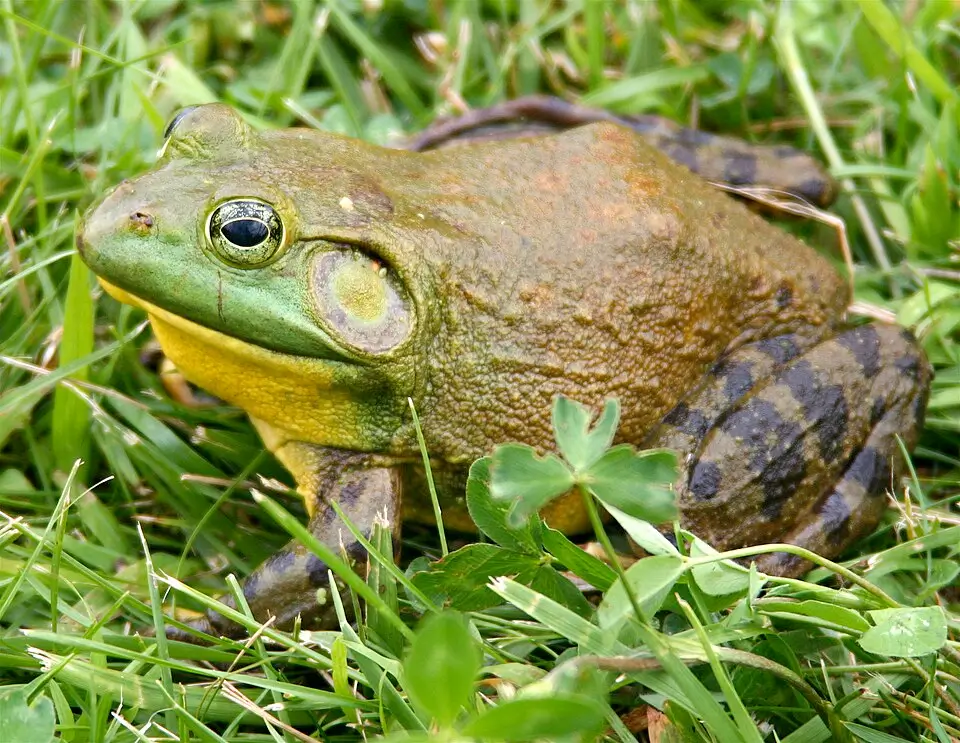
The American bullfrog (Rana catesbeiana) is a member of the family Ranidae, commonly known as the "true frogs." It is a robust, powerfully built amphibian that impresses observers with both its size and its auditory presence. Adult bullfrogs can grow to considerable size, making them a truly formidable presence among North American amphibians. Their large, muscular hind legs are built for powerful leaps and make them highly capable swimmers, allowing them to escape predators and navigate aquatic environments with impressive agility.
The bullfrog's coloration typically ranges from shades of green to brownish-green or olive on the dorsal side, often with subtle mottling or spotting. The belly tends to be lighter in color, ranging from white to pale yellow. One of the most distinctive physical features of the American bullfrog is its large, prominent tympanic membrane — the round disc located just behind each eye. In males, this tympanum is noticeably larger than the eye itself, while in females the tympanum is approximately the same size as the eye. This difference provides one of the most reliable methods for distinguishing males from females in the field.
The species is also well known for its remarkable lifespan. In the wild, bullfrogs can live for many years, and under favorable conditions they are capable of surviving even longer in captivity. Their longevity, combined with high reproductive potential, contributes to the species' success across a wide range of environments.
Reproduction in American bullfrogs follows a pattern typical of many amphibians. Breeding typically occurs during the warmer months of the year, with males establishing and defending territories along the water's edge. The male's booming call — often described as sounding like a deep "jug-o-rum" — serves both to attract females and to warn rival males away from their territory. Females deposit large egg masses in shallow, calm water, and tadpoles hatch and undergo metamorphosis over a period that can last one to two years depending on environmental conditions. This extended larval period is notably longer than many other frog species and is one of the biological factors that makes the bullfrog such a successful and adaptable species.
Bullfrogs are opportunistic and voracious predators. As ambush hunters, they will consume virtually any prey that they can overpower and swallow. Their diet commonly includes insects, crayfish, small fish, smaller frogs, snakes, mice, and even small birds. This dietary flexibility makes them highly effective predators across a broad range of wetland ecosystems.
Habitat & Range
The American bullfrog is a habitat generalist when it comes to freshwater environments. It is found naturally throughout much of the eastern United States and into parts of Canada and Mexico, though its range has expanded significantly due to intentional and accidental introductions. Within its native range, the bullfrog is most commonly associated with permanent bodies of water — ponds, lakes, slow-moving rivers, streams, marshes, swamps, and flooded agricultural areas.
The species shows a strong preference for environments that offer both open water for swimming and escape, and vegetated shorelines with emergent aquatic plants that provide cover, basking sites, and hunting opportunities. Warm, shallow waters are particularly favored, especially during the breeding season when water temperature plays a key role in reproductive success.
Oklahoma sits squarely within prime bullfrog territory. The state's geography encompasses a remarkable variety of freshwater habitats, from the extensive river systems such as the Arkansas, Red, Canadian, and Cimarron rivers to the thousands of farm ponds, reservoirs, and natural wetlands scattered across its 69,903 square miles. The southeastern portion of Oklahoma, with its higher rainfall totals and forested wetland areas, is particularly productive bullfrog habitat. The state's warm summers and mild transitional seasons create an ideal climate for bullfrog activity and reproduction.
Rural farm ponds throughout Oklahoma are especially notable as bullfrog hotspots. These small, often densely vegetated water bodies provide nearly perfect conditions: warm, shallow water with abundant aquatic vegetation, plentiful insect life to support a healthy prey base, and relatively low predator pressure in many areas. It is in places like these that Oklahoma's bullfrog population truly flourishes.
Hunting Information
Bullfrog hunting — often called "frogging" — is a beloved and deeply traditional outdoor pursuit across the American South and Midwest, and Oklahoma is no exception. For generations, families and friends have gathered at the water's edge on warm summer nights to pursue bullfrogs, creating memories and traditions that are passed down through the years.
The most common and time-honored method of bullfrog hunting is nighttime gigging. Hunters wade quietly along the edges of ponds, streams, and lakes after dark, using flashlights or headlamps to locate bullfrogs. When a beam of light strikes a bullfrog's eyes, the animal often becomes temporarily still — a behavior commonly referred to as being "spotlighted" — giving the hunter the opportunity to approach and secure the frog using a gig (a long-handled spear with multiple sharp tines), by hand, or with a small-caliber firearm or bow where regulations permit.
Daytime hunting is also practiced, though bullfrogs tend to be more wary and alert during daylight hours, making the pursuit more challenging and requiring greater stealth and patience. Many experienced froggers consider the daytime challenge to be a rewarding test of woodsmanship and fieldcraft.
For those interested in pursuing bullfrogs in Oklahoma, it is important to consult the most current regulations provided by the Oklahoma Department of Wildlife Conservation (ODWC). The ODWC manages hunting seasons, licensing requirements, and bag limits for all wildlife in the state, including bullfrogs. Hunters should always verify current season dates, any applicable license requirements, and legal methods before heading out. The ODWC publishes updated hunting regulations annually, and their official resources are the definitive source for the most accurate and up-to-date information.
Bullfrog legs are widely regarded as a culinary delicacy throughout the South and Midwest. Often described as tasting similar to chicken, the large, meaty hind legs of the bullfrog can be prepared in a variety of ways — fried, grilled, sautéed, or baked — and they represent a genuinely rewarding wild harvest that connects the hunter directly to the natural world.
Conservation
The American bullfrog is currently listed as a species of Least Concern on the IUCN Red List of Threatened Species, reflecting the fact that its overall population remains large and widespread across its native range. Within North America, the species is generally considered stable and abundant.
It is worth noting that while the bullfrog is a conservation success story within its native range, the species has been introduced — both intentionally for food and sport and accidentally — to many regions outside its native distribution, including parts of the western United States, Europe, South America, and Asia. In these introduced regions, the bullfrog's size, voracious appetite, and competitive nature have in some cases created challenges for native amphibian communities. However, within Oklahoma and throughout the bullfrog's native range in the central and eastern United States, the species is a natural and valued component of the ecosystem.
State wildlife agencies like the Oklahoma Department of Wildlife Conservation play an important role in monitoring and managing amphibian populations, including the American bullfrog. Regulated hunting helps ensure that harvest remains sustainable, and the ODWC's broader conservation programs support the health of the wetland habitats upon which bullfrogs — and countless other species — depend.
Wetland conservation is particularly important for the long-term well-being of bullfrog populations. Programs that protect, restore, and enhance freshwater wetlands throughout Oklahoma benefit not only bullfrogs but the entire web of life that depends on these critical habitats.
Conclusion
The American bullfrog is a true icon of North American wildlife — powerful, adaptable, and deeply connected to the wetland landscapes that define so much of Oklahoma's natural heritage. From its booming nighttime calls echoing across farm ponds to its role as a rewarding target for generations of outdoor sportsmen, Rana catesbeiana holds a special place in both the ecosystem and the cultural traditions of the region. Whether you are drawn to the bullfrog as a naturalist, a hunter, or simply an admirer of the wild world, there is much to appreciate in this remarkable amphibian.