Overview
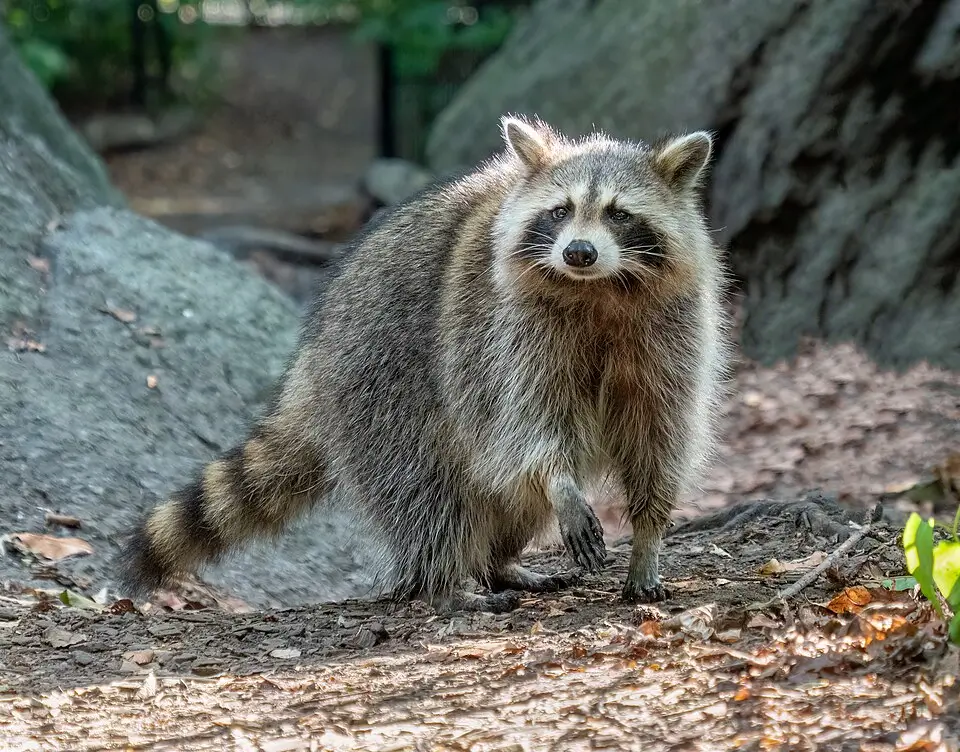
Few animals in North America capture the imagination quite like the raccoon (Procyon lotor). With its distinctive black facial mask, ringed tail, and nimble front paws, the raccoon is one of the most recognizable and widely distributed mammals on the continent. Whether you spot one rummaging through a suburban trash can under the glow of a streetlight or catch a glimpse of one slipping silently along a moonlit stream bank deep in the forest, there is no mistaking this clever, adaptable creature.
For hunters, wildlife enthusiasts, and naturalists alike, the raccoon holds a special place in American outdoor culture. It is an animal that has been pursued by hunters for centuries — prized for its thick, banded fur and as a challenging quarry for hound hunters who relish the tradition of a nighttime chase through the woods. For those exploring the woodlands and wetlands of New York State, one of the most ecologically diverse states in the northeastern United States, the raccoon is a prominent and endlessly fascinating presence in the landscape.
This article takes a comprehensive look at the raccoon — its biology, behavior, habitat, role in the ecosystem, and its significance to hunters and wildlife observers in New York and beyond.
Biological Traits
The raccoon, Procyon lotor, belongs to the family Procyonidae, a group of medium-sized mammals found primarily in the Americas. The genus name Procyon derives from Greek, meaning "before the dog," while lotor is Latin for "washer" — a nod to the raccoon's well-known habit of dunking and manipulating food items in water, a behavior that appears to heighten the sensitivity of its remarkable front paws.
Raccoons are medium-sized mammals with a stocky, robust build. Adults typically weigh anywhere from roughly 8 to over 20 pounds, though individuals in northern regions, where they accumulate significant fat reserves to survive cold winters, can grow considerably larger. Males are generally larger than females. The body is covered in dense, grizzled grayish-brown fur that provides excellent insulation during cold months. The tail, bushy and marked with alternating dark and light rings, is one of the raccoon's most distinctive features.
Perhaps the raccoon's most iconic feature is the black "mask" of fur that surrounds its eyes, set against the lighter coloring of its face. This marking is found in virtually all raccoons and has made the species instantly recognizable across cultures and throughout history. Beyond aesthetics, researchers have theorized that the dark mask may help reduce glare and enhance the raccoon's vision in low-light conditions — an important advantage for a predominantly nocturnal animal.
The raccoon's front paws are extraordinarily dexterous. With five slender fingers, raccoons are capable of opening latches, unscrewing lids, and manipulating objects with a degree of skill that far surpasses most other mammals of comparable size. The density of sensory receptors in their paws is remarkably high, and contact with water appears to amplify this tactile sensitivity further. This combination of intelligence and manual dexterity has allowed raccoons to exploit an enormous variety of food sources.
Raccoons are true omnivores. Their diet shifts with the seasons and varies widely by location, encompassing fruits, nuts, berries, corn, insects, crayfish, frogs, fish, bird eggs, small mammals, and carrion. This dietary flexibility is a cornerstone of the raccoon's extraordinary success as a species. They are also highly opportunistic, readily raiding gardens, orchards, and yes, unsecured trash cans, in both rural and urban environments.
Raccoons are primarily nocturnal, though they are not uncommonly seen during daylight hours, particularly in areas where food is abundant or during the breeding season. During the coldest months in northern climates, raccoons do not truly hibernate but enter a state of torpor — sleeping for extended periods in their dens while drawing on fat reserves. They typically den in hollow trees, rock crevices, abandoned burrows, brush piles, and even the attics of buildings.
Breeding generally occurs in late winter or early spring, with females giving birth to litters of two to five young — called kits — after a gestation period of approximately 63 days. Kits are born blind and helpless, but develop rapidly. By late summer and fall, juvenile raccoons are often seen accompanying their mother on foraging excursions. Young raccoons typically disperse in their first year, though family groups may remain loosely associated for some time.
Raccoons are intelligent animals. Studies have demonstrated their ability to remember the solutions to tasks for up to three years, and they are adept problem-solvers, qualities that contribute to their remarkable ability to thrive in environments dramatically altered by human activity.
Habitat & Range
The raccoon is one of the most wide-ranging mammals in the Western Hemisphere. Native to North America, the species has expanded its range considerably over the past century and has even been introduced — intentionally and accidentally — to parts of Europe and Asia, where populations have become established and in some areas quite abundant.
Within North America, raccoons are found from southern Canada through the contiguous United States and into Central America and northern South America. They are versatile habitat generalists, capable of thriving in deciduous and mixed forests, marshes, river bottomlands, prairies, coastal areas, and increasingly in suburban and urban environments.
Water is a common denominator in prime raccoon habitat. Raccoons are strongly associated with riparian corridors — the vegetated areas bordering streams, rivers, ponds, and lakes — where they find abundant food resources including crayfish, frogs, fish, and aquatic invertebrates. Mature trees with cavities for denning are another key habitat component.
In New York State, raccoons are found throughout the state, from the forests of the Adirondack Mountains and Catskills to the agricultural valleys, coastal marshes of Long Island, and even within the boroughs of New York City itself. New York's diverse landscape — encompassing nearly 54,556 square miles of varied terrain, from boreal forests and high peaks to tidal wetlands and hardwood bottomlands — provides a rich mosaic of raccoon habitat. The state's abundant waterways, including the Hudson River, the St. Lawrence River, the Finger Lakes, and the countless smaller streams and ponds that lace the countryside, are particularly attractive to raccoons.
Population densities of raccoons tend to be highest where food is most available and where human activity has created additional foraging opportunities. In agricultural areas with corn fields and orchards, raccoon numbers can be especially robust.
Hunting Information
Raccoon hunting is a storied tradition in North America, particularly in the eastern and midwestern United States. It is an activity steeped in folklore, craftsmanship, and a deep appreciation for the outdoors and working hound dogs. Raccoon hunting has historically been conducted at night, with hunters following the music of trailing hounds through dark woodlands until the dogs tree their quarry. The relationship between the coon hunter and his dogs — often breeds like the Black and Tan Coonhound, Treeing Walker Coonhound, or Bluetick Coonhound — is central to the tradition.
In New York State, raccoon hunting is a recognized and culturally significant activity. The state's vast forested lands, creek bottoms, and agricultural edges provide excellent habitat and hunting opportunities for those pursuing raccoons. Hunters typically pursue raccoons at night, working hounds through woodlots and along stream corridors. Trapping is also a traditional and regulated method for harvesting raccoons, with their thick, durable fur historically valued in the fur trade.
Because official hunting season dates, license requirements, and specific regulations for raccoon hunting in New York were not available in the source data consulted for this article, hunters are strongly encouraged to consult the New York State Department of Environmental Conservation (DEC) directly for the most current and accurate information on seasons, licensing, bag limits, and legal methods of take. Regulations can change from year to year, and compliance with all applicable state and local laws is essential.
What can be said with confidence is that raccoon hunting in New York offers a unique and rewarding experience for sportsmen and women. The challenge of working hounds in the dark, navigating varied terrain, and the camaraderie of hunting partners gathered around a fire while dogs work distant hollows is an experience unlike any other in the hunting world.
Conservation
Despite being one of the most abundant and adaptable mammals in North America, the raccoon plays an important and multifaceted role in its ecosystems. As omnivores that consume a wide range of prey — including insects, invertebrates, small rodents, and carrion — raccoons contribute to the regulation of various prey populations. As consumers of fruits and berries, they also play a modest role in seed dispersal.
Raccoon populations across North America are generally considered healthy and stable. Their adaptability to human-modified landscapes has, if anything, allowed raccoon numbers to increase in many regions over the past several decades. Regulated hunting and trapping serve as important management tools, helping to maintain raccoon populations at levels that are ecologically balanced and compatible with agricultural and residential communities.
The raccoon is also a culturally significant animal in North American history. Raccoon pelts were a prized commodity in the early fur trade that drove much of the exploration and economic development of the continent. Coonskin caps became iconic symbols of the American frontier. For Native American peoples across the continent, the raccoon featured prominently in stories, art, and material culture.
From a wildlife management perspective, raccoons are monitored as an important sentinel species for diseases including rabies and canine distemper. Responsible hunters and trappers who harvest raccoons contribute valuable data to wildlife managers and help maintain healthy, balanced populations.
In New York, as across the broader Northeast, wildlife managers, hunters, trappers, and conservationists work together to ensure that raccoon populations remain a vibrant part of the state's natural heritage for generations to come.