Overview
Few animals embody the spirit of North American wetlands quite like the muskrat. A compact, semi-aquatic rodent with a long history of ecological and cultural significance, the muskrat (Ondatra zibethicus) is one of the continent's most recognizable and widely distributed mammals. From the reed-choked marshes of the Great Lakes to the slow-moving streams of New York's Adirondack foothills, this resourceful creature has carved out a niche that few other animals can match. Whether you're a trapper, a wildlife enthusiast, a hunter, or simply someone who enjoys spending time near the water, understanding the muskrat is a deeply rewarding pursuit.
Muskrats have been part of North American culture for thousands of years. Indigenous peoples relied on them for food and fur, and European settlers quickly recognized their value as a furbearer. Even today, muskrat trapping and hunting remain cherished traditions in many communities across the continent. In a state as ecologically diverse as New York — with its sprawling river systems, glacial lakes, coastal marshes, and interior wetlands — the muskrat occupies an especially important role in the natural landscape.
This article takes an in-depth look at the biology, habitat, hunting traditions, and conservation status of Ondatra zibethicus, with a particular focus on what this animal means to outdoor enthusiasts in New York State.
Biological Traits
The muskrat is the sole member of the genus Ondatra, placing it in a unique taxonomic position within the family Cricetidae, which it shares with voles, lemmings, and New World mice and rats. Despite its name and rat-like appearance, the muskrat is not closely related to the common rat. It is, in fact, far more closely allied with voles and lemmings, though its semi-aquatic lifestyle sets it apart from most of its relatives.
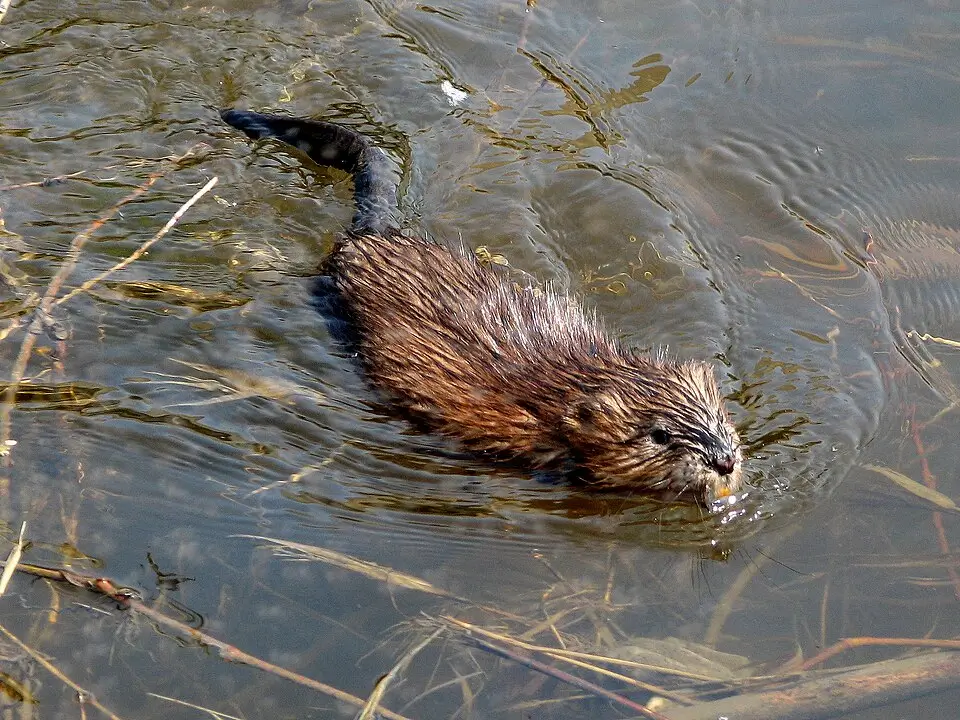
Physically, the muskrat is a stout, medium-sized rodent. Adults typically weigh between one and four pounds, with a body length ranging from roughly 16 to 25 inches, including the tail. The tail itself is a remarkable adaptation — long, laterally compressed, and scaly, it functions as a rudder and a sculling tool in the water, giving the muskrat impressive swimming agility. The hind feet are partially webbed, further enhancing its aquatic capabilities, while the dense, two-layered fur coat provides excellent insulation even in cold water.
The fur is one of the muskrat's most notable features. The outer layer consists of long, coarse guard hairs that repel water, while the dense underfur traps air and maintains warmth. Color varies but is generally a rich, dark brown on the back, fading to a lighter, sometimes grayish or cinnamon tone on the sides and belly. This pelt has long been prized by the fur trade for its softness and durability.
The common name "muskrat" derives from a pair of musk glands located near the base of the tail. These glands produce a pungent, musky secretion that the animal uses to mark its territory and communicate with other muskrats during breeding season. This scent behavior is particularly active during spring, when muskrats are pairing up and establishing territories.
Muskrats are primarily herbivores. They feed heavily on aquatic and semi-aquatic vegetation, including cattails, bulrushes, water lilies, sedges, and various roots and tubers. In some circumstances, they will supplement their diet with animal matter such as freshwater mussels, crayfish, frogs, and small fish, making them opportunistic omnivores when plant material is scarce.
One of the most fascinating aspects of muskrat biology is their ability to remain submerged for extended periods. Muskrats can stay underwater for up to 17 minutes, thanks to physiological adaptations that allow them to slow their heart rate and tolerate elevated carbon dioxide levels. This ability is critical for foraging and escaping predators.
Reproduction in muskrats is prolific. Females can produce multiple litters per year, with each litter typically consisting of four to eight young. The gestation period is approximately three to four weeks, and young muskrats develop rapidly, becoming independent within about a month. This high reproductive rate allows muskrat populations to recover quickly from both natural and human-induced pressures.
Habitat & Range
Ondatra zibethicus is native to North America and is one of the most widely distributed mammals on the continent. Its natural range spans from the subarctic regions of Canada and Alaska southward through most of the contiguous United States, wherever suitable wetland habitat exists. The species has also been introduced to parts of Europe, Asia, and South America, where it has established thriving populations — in some regions, it is considered an invasive species.
The muskrat's preferred habitat is defined by the presence of shallow, productive water bodies. Marshes, swamps, ponds, lakes, slow-moving rivers, and drainage ditches all support muskrat populations, provided there is adequate emergent vegetation for food and cover. Cattail marshes are considered prime habitat, as cattails provide both food and building material year-round.
Muskrats are renowned for their architectural skills. They construct two primary types of dwellings: lodges and burrows. Lodges are dome-shaped structures built from aquatic vegetation, mud, and debris, often rising several feet above the waterline. Inside, a network of underwater entrances leads to a dry interior chamber where the muskrats eat, sleep, and raise young. Burrows, by contrast, are excavated into the banks of waterways and can extend several feet into the earth, with underwater entrances that offer protection from predators.
In New York State, the muskrat thrives across a wide range of environments. The state's abundant wetland systems — from the Lake Champlain basin and St. Lawrence River valley in the north to the tidal marshes of Long Island and the Hudson River estuary in the south — provide ideal conditions. Interior regions, including the Finger Lakes, Catskills, and Adirondacks, also support healthy muskrat populations wherever wetland habitats are intact.
Hunting & Trapping Information
The muskrat has been one of North America's most important furbearing animals for centuries. Both trapping and hunting have long traditions associated with this species, and in many rural communities, muskrat season marks an important milestone in the outdoor calendar.
Trapping is the most traditional and widely practiced method of harvesting muskrats. Steel leg-hold traps, body-gripping traps (such as the Conibear-style), and cage traps are all commonly used, with body-gripping traps set at den entrances or runs being particularly effective. Skilled trappers read the landscape carefully, identifying active lodges, well-worn runs, and feeding platforms where muskrats habitually consume their food.
Muskrats may also be taken by rifle or shotgun in states and provinces where regulations permit it. Spot-and-stalk shooting along marsh edges, particularly at dawn and dusk when muskrats are most active, can be productive. Small-caliber rimfire rifles are a classic choice, as they minimize pelt damage.
In New York State, muskrat hunting and trapping are regulated activities managed by the New York State Department of Environmental Conservation (NYSDEC). Hunters and trappers are required to hold the appropriate licenses and permits, and specific season dates, bag limits, and legal methods of take are established by the NYSDEC each year. Because regulations can change from season to season, anyone planning to hunt or trap muskrats in New York should consult the most current NYSDEC hunting and trapping guide or visit the official NYSDEC website for up-to-date information. Specific season dates and license requirements were not available in the source data consulted for this article.
Muskrat fur, while not as commercially dominant as it once was, still holds value in the fur market. The pelts are used in garments, trim, and accessories. Additionally, muskrat meat has a long culinary history in parts of North America — particularly in the Great Lakes region and the Chesapeake Bay area — where it is considered a delicacy and features prominently in traditional community dinners.
Conservation
From a conservation standpoint, the muskrat is currently classified as a species of least concern by wildlife authorities. Its wide distribution, high reproductive rate, and adaptability to a broad range of wetland habitats make it resilient to many pressures. However, muskrat populations are not without their challenges.
Wetland loss and degradation represent the most significant long-term threats to muskrat populations. Drainage of marshes for agriculture and development, water quality degradation, and changes in hydrology can all reduce the availability of suitable habitat. Droughts, in particular, can devastate local populations by drying up the shallow water bodies muskrats depend on.
Muskrats play an important ecological role in wetland ecosystems. By cutting and consuming aquatic vegetation, they help maintain open water areas within marshes and prevent overgrowth by dense stands of cattails or other plants. This habitat modification benefits a wide variety of other wetland species, including waterfowl, shorebirds, fish, amphibians, and other mammals. In this sense, the muskrat functions as a keystone species in many wetland communities.
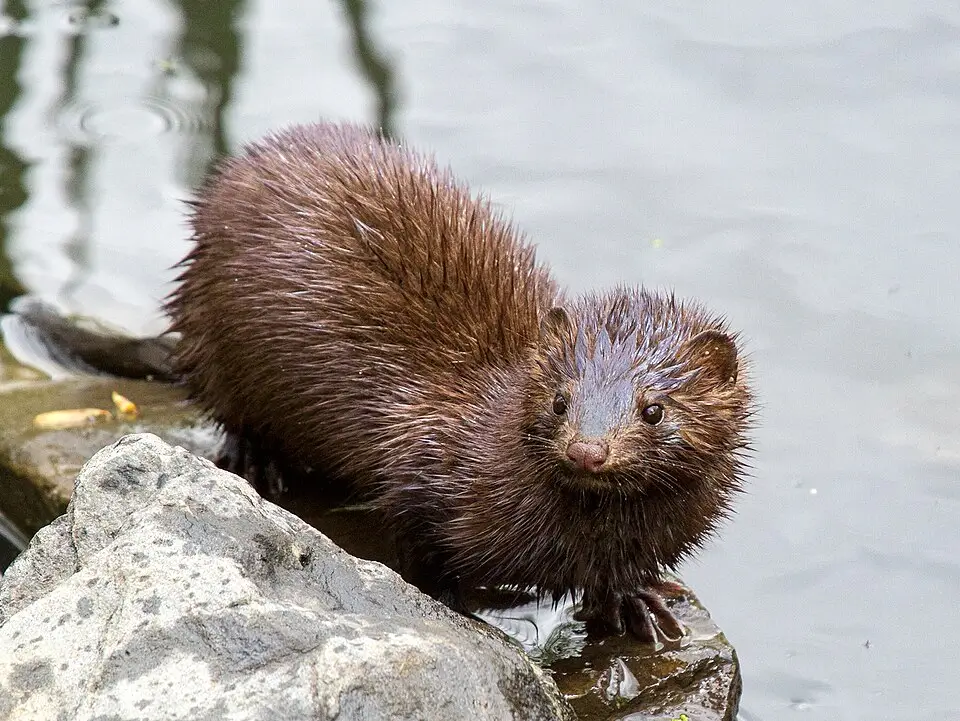
Natural predators of the muskrat include mink, river otters, red foxes, coyotes, raccoons, great horned owls, red-tailed hawks, and various large snakes. Mink, in particular, are highly effective muskrat predators due to their ability to enter muskrat lodges and burrows. This predator-prey relationship helps regulate muskrat populations naturally.
Regulated hunting and trapping, when managed responsibly, contribute positively to muskrat conservation by generating license revenue that funds wildlife management programs and by helping to maintain population levels that are in balance with available habitat. Conservation organizations and state wildlife agencies work collaboratively to monitor muskrat populations, protect wetland habitats, and ensure sustainable harvest practices.
In New York, the NYSDEC's ongoing commitment to wetland protection and restoration benefits the muskrat directly, as does the state's participation in broader waterfowl and wetland conservation initiatives. New York's diverse and abundant wetland landscapes remain among the most important muskrat habitats in the northeastern United States.
Conclusion
The muskrat is far more than a common marsh rodent. It is a biological marvel, an ecological engineer, a cultural icon, and a living link between modern outdoor traditions and centuries of North American heritage. For hunters, trappers, and wildlife watchers in New York and across the continent, Ondatra zibethicus represents all that is wild, resourceful, and enduring about North America's wetland ecosystems. Taking the time to understand and appreciate this remarkable animal enriches every experience spent near the water.