Overview
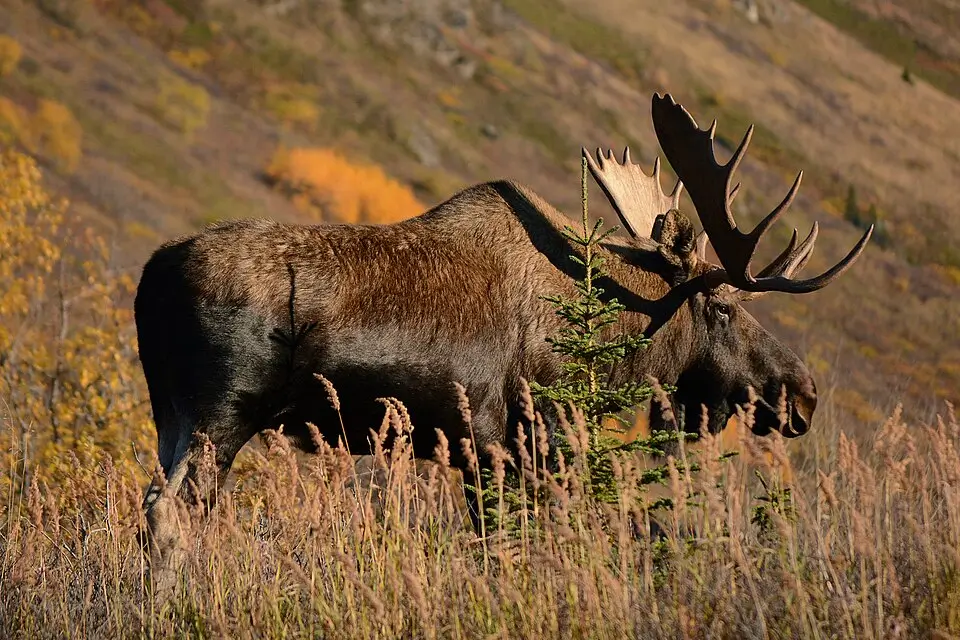
Few animals capture the imagination quite like the moose. Towering above the forest floor, draped in a coat of dark brown fur, and crowned with an impressive spread of antlers, the moose (Alces alces) is a creature of unmatched grandeur in the North American wilderness. As the largest member of the deer family (Cervidae), the moose commands attention wherever it roams — from the boreal forests of Canada to the wetlands of New England, and even into the wild corners of New York State. For wildlife enthusiasts, photographers, and hunters alike, encountering a moose in its natural habitat is an experience that stays with a person for a lifetime.
The moose holds a special place in the cultural and ecological identity of the northeastern United States and Canada. Indigenous peoples across North America have long revered this animal for its size, strength, and the sustenance it provides. Today, the moose continues to be a symbol of wild, untamed wilderness — an emblem of the vast, quiet forests that still exist across the northern landscape. Understanding this magnificent animal, from its biology to its behavior, is essential not only for hunters and wildlife managers but for anyone who appreciates the richness of North America's natural heritage.
Biological Traits
The moose (Alces alces) belongs to the order Artiodactyla and the family Cervidae, making it a true deer — albeit an extraordinarily large one. In fact, the moose is the largest living species in the deer family in the world. Adult bulls can stand well over six feet tall at the shoulder and weigh anywhere from 800 to well over 1,500 pounds depending on their geographic range and individual genetics. Cows are notably smaller than bulls but are still impressively large animals by any standard.
One of the most iconic features of the moose is the adult bull's antlers. Unlike the branching, tined antlers of whitetail deer or elk, bull moose grow broad, palmate antlers — flat, shovel-like structures that can span well over four feet from tip to tip in mature individuals. These antlers are shed each winter and regrow each spring and summer, covered in velvet, a soft tissue rich in blood vessels that supplies nutrients during the rapid growth phase. By late summer, the velvet dries and is rubbed off, leaving behind the hard, polished bone that bulls carry through the fall breeding season, known as the rut.
Moose have a distinctive appearance that sets them apart from all other deer. Their long, bulbous nose — often described as pendulous — is a highly specialized organ that allows them to efficiently browse on aquatic vegetation by closing the nostrils underwater. A dewlap, sometimes called a "bell," hangs from the throat of both males and females, though its exact biological purpose remains an area of study. Their long legs, built for navigating deep snow and wading through wetlands, give them a somewhat ungainly appearance on dry land, yet in the water or across snowy terrain, moose move with surprising grace and endurance.
Moose are primarily crepuscular and nocturnal, meaning they are most active during the hours around dawn and dusk. They are generally solitary animals outside of the breeding season, though cows will remain closely bonded with their calves through at least their first year of life. The rut typically occurs in the fall, during which bulls become highly active, vocal, and sometimes aggressive as they compete for breeding rights with cows. The characteristic grunting and moaning calls of a bull during the rut are among the most thrilling sounds in the North American wilderness.
Calves are born in the spring, typically one or two per cow, and they grow extraordinarily quickly. A newborn moose calf can weigh 25 to 35 pounds at birth and may gain several pounds per day during its first weeks of life, fueled by its mother's rich milk. This rapid growth is essential for survival, as calves must be large enough to withstand the harsh northern winters before their first year is out.
Habitat & Range
Moose are found across a broad swath of the Northern Hemisphere, inhabiting boreal and mixed temperate forests across North America, Europe, and Asia. In North America, their range extends from Alaska and Canada southward into portions of the northern United States, including states such as Maine, Minnesota, Wyoming, Montana, Idaho, and New York. The species thrives in environments that offer a combination of dense forest cover, access to wetlands, rivers, lakes, and an abundance of their preferred browse species.
Moose are well adapted to cold climates and deep snow, but they struggle in regions with prolonged heat. Their dark coat absorbs heat readily, and their large body mass means they overheat quickly in warm temperatures. This climatic sensitivity is one reason moose populations are largely concentrated in the northern portions of their range and at higher elevations in mountainous areas.
In terms of diet, moose are herbivores with a highly varied plant-based diet that shifts with the seasons. During the summer months, they are frequently found in ponds, lakes, and marshes, feeding on aquatic vegetation such as pondweed, water lilies, and other submerged or floating plants. These aquatic plants are rich in sodium, a critical mineral for moose. In winter, when aquatic vegetation is unavailable, moose rely heavily on the twigs, bark, and branches of woody shrubs and trees, with willow, birch, and aspen being among their favorites.
In New York State, moose are primarily found in the Adirondack Mountains and the northern portions of the state, areas characterized by dense forests, extensive wetlands, and the cooler temperatures that moose require. New York represents a southern fringe of the moose's natural range in the eastern United States, but sightings have become increasingly noteworthy in recent decades as populations shift and expand in response to habitat conditions.
Hunting Information
Moose hunting is a deeply rooted tradition across much of the animal's range in North America. In states and provinces where populations are sufficient to support regulated harvest, moose hunting is considered one of the most sought-after and prestigious big game experiences available. The sheer size of the animal means that a single successful moose harvest can provide an enormous quantity of high-quality, lean red meat — sometimes several hundred pounds — making it among the most practical and rewarding hunts on the continent.
However, it is important for hunters in New York State to understand the current regulatory landscape. As of the available information at the time of this writing, there is no established moose hunting season in New York State, and no specific moose hunting licenses are available through the state's official hunting program. The moose population in New York, while present, is not currently at a level that wildlife managers have deemed sufficient to support a regulated harvest season. This is consistent with New York's position on the southern edge of the moose's primary range.
Hunters and wildlife enthusiasts in New York who are passionate about moose hunting are encouraged to look northward. The Canadian provinces of Ontario, Quebec, and New Brunswick, as well as neighboring New England states like Maine, offer some of the finest moose hunting opportunities in the world, subject to their own regulations, licensing requirements, and draw systems. Many of these jurisdictions require hunters to enter lottery systems or draws for the limited number of moose permits issued each season.
For those who do have the opportunity to hunt moose, preparation is key. Moose hunting often involves physically demanding terrain — wetlands, dense forests, and remote backcountry — and requires careful planning regarding gear, access, and meat care. The calling techniques used during the rut, including bull grunts and cow calls, can be extraordinarily effective and represent one of the most exciting aspects of the moose hunting experience.
Conservation
From a conservation standpoint, moose are currently listed as a species of Least Concern on the IUCN Red List, reflecting their broad global range and generally stable populations across much of their habitat. However, this broad designation masks regional concerns that wildlife managers and researchers are monitoring closely.
In portions of the northeastern United States, including New York, moose populations have faced pressures from several directions. Winter ticks (Dermacentor albipictus), which can infest individual moose with tens of thousands of parasites, represent a significant mortality factor, particularly for calves. Climate change is also a concern, as warming winters reduce the die-off of tick larvae and allow tick populations to grow to levels that can overwhelm moose. Additionally, the spread of brainworm, a parasitic nematode carried by white-tailed deer that is harmless to deer but often fatal to moose, poses a challenge in areas where deer and moose ranges overlap.
Despite these challenges, moose remain a resilient species with strong reproductive potential when habitat conditions are favorable. Conservation efforts focused on habitat preservation, careful wildlife management, and ongoing research into tick and disease impacts are essential to ensuring that moose populations remain healthy for future generations — both for the ecological roles they play and for the hunting and wildlife-watching opportunities they provide.
In New York, the presence of moose in the Adirondacks is a reminder of the state's rich wild heritage and the importance of maintaining large, connected tracts of northern forest habitat. Supporting conservation organizations, practicing ethical wildlife observation, and staying informed about wildlife management policies are all meaningful ways that outdoor enthusiasts can contribute to the long-term future of this iconic species.