Overview
Few animals in North America carry the cultural weight of the groundhog. Known colloquially as the woodchuck, whistle-pig, or land beaver, the groundhog (Marmota monax) is a large ground squirrel native to much of the eastern United States and Canada. Every February 2nd, millions of Americans tune in to watch whether Punxsutawney Phil — perhaps the most famous groundhog in the world — will see his shadow and "predict" the remaining length of winter. Yet beyond its starring role in folklore and popular culture, the groundhog is a fascinating, ecologically significant mammal that rewards careful study and offers genuine opportunities for outdoor enthusiasts, including hunters, naturalists, and wildlife watchers alike.
In New York State, groundhogs are a familiar sight across the landscape. From the rural farmlands of the Finger Lakes region to the brushy edges of the Catskill foothills, these stout, industrious animals are woven into the fabric of the northeastern outdoor experience. Whether you are encountering one in a backyard garden, spotting one along a country road, or sighting one through a rifle scope on a summer afternoon, the groundhog is an animal worth understanding deeply. This guide covers everything you need to know about the biology, habitat, hunting opportunities, and conservation status of Marmota monax.
Biological Traits
The groundhog is a member of the family Sciuridae, which includes squirrels, chipmunks, and prairie dogs. More specifically, it belongs to the tribe Marmotini and is the largest member of the genus Marmota found in the eastern United States. As a true hibernator, the groundhog undergoes one of the most dramatic seasonal physiological changes of any North American mammal — a fact that makes it a subject of genuine scientific interest.
Body and Size
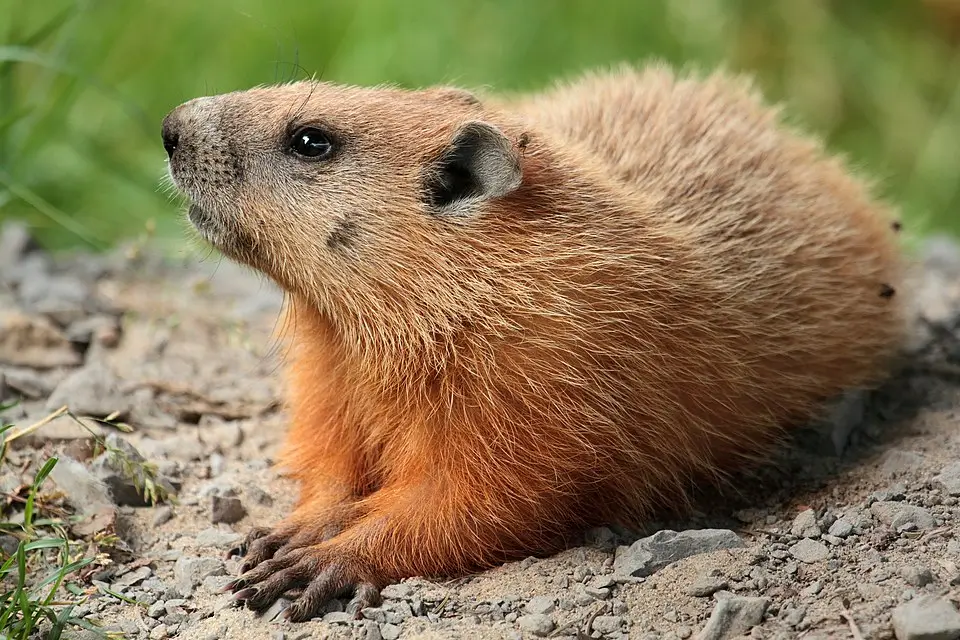
Groundhogs are robust, heavyset animals. Adults typically weigh between 5 and 14 pounds, though individuals can become significantly heavier in late summer and early fall as they accumulate fat reserves for winter hibernation. Their bodies are stocky and low-slung, with short, powerful legs well adapted for digging. The tail is relatively short compared to other sciurids, and the fur is a coarse, grizzled brownish-gray, with lighter tips on the guard hairs giving the coat a frosted appearance. The feet are equipped with strong, curved claws — essential tools for the groundhog's most important activity: excavating burrows.
Senses and Behavior
Groundhogs are primarily diurnal, meaning they are most active during daylight hours, especially in the early morning and late afternoon. They possess keen eyesight, a well-developed sense of smell, and good hearing — all of which serve as early warning systems against predators. When alarmed, groundhogs often emit a sharp, high-pitched whistle (earning them the nickname "whistle-pig") before retreating rapidly into their burrows. They are largely solitary animals outside of the brief mating season in early spring.
Diet
Groundhogs are herbivores with broad tastes. They consume a wide variety of wild plants, grasses, clovers, and agricultural crops. In farming regions, their appetite for garden vegetables and field crops can make them contentious neighbors for farmers and gardeners. Their feeding activity is highly seasonal: groundhogs feed voraciously during the warm months, building substantial fat reserves, and then cease feeding entirely during hibernation.
Hibernation
True hibernation is one of the groundhog's most remarkable biological traits. Unlike many animals that simply slow down during winter, the groundhog enters a state of deep torpor in which its body temperature drops dramatically — sometimes approaching the ambient temperature of its underground burrow — and its heart rate and breathing slow to a fraction of their normal pace. Groundhogs typically enter hibernation in late fall and emerge in late winter or early spring, often before significant vegetation has returned. This extended period underground is spent in a specially constructed hibernation burrow, which may be separate from the summer burrow.
Reproduction
Mating occurs shortly after groundhogs emerge from hibernation in late winter or early spring. After a gestation period of approximately 31 to 32 days, females give birth to a litter typically ranging from two to six young, known as kits or pups. The young are born blind, hairless, and entirely dependent on their mother. They grow rapidly and are usually weaned and venturing outside the burrow by early summer. By late summer or early fall, the young groundhogs disperse to establish their own burrow systems, where they will prepare for their first hibernation.
Habitat and Range
Geographic Range
The groundhog has a broad distribution across North America. Its range extends from the eastern seaboard westward to the Great Plains and northward well into Canada, including much of Ontario, Quebec, and the Maritime provinces. In the United States, groundhogs are found throughout the Northeast, Mid-Atlantic, Midwest, and portions of the South. New York State falls squarely within the heart of the groundhog's primary range, making it one of the more commonly encountered wild mammals in the state.
Preferred Habitats
Groundhogs show a strong preference for open or semi-open habitats where they have clear sightlines to spot approaching predators. Classic groundhog habitat includes the edges between forests and open fields, hedgerows, pastures, meadows, roadsides, and the margins of agricultural land. They are also frequently found in suburban and even semi-urban settings wherever suitable soil for burrowing and sufficient vegetation for feeding are available.
The burrow itself is central to the groundhog's existence. A typical burrow system can extend 25 to 30 feet or more in length, with multiple entrance and exit tunnels, a nesting chamber lined with dried vegetation, and separate chambers for waste. These burrows provide shelter from predators, a safe place to raise young, and a protected environment for hibernation. The digging activity of groundhogs also plays an ecological role, aerating soil and creating den sites that are subsequently used by foxes, skunks, rabbits, and other wildlife.
New York State Habitat
In New York, groundhogs thrive across a wide variety of landscapes. The agricultural valleys of the Hudson, Mohawk, and Susquehanna rivers provide ideal habitat, as do the pastures and hayfields of western and central New York. Even in more urbanized areas of the state, groundhogs adapt remarkably well, making use of parks, golf courses, cemeteries, and suburban yards. Their adaptability is one of the key reasons the species remains abundant throughout the Northeast.
Hunting Information
Groundhog hunting — sometimes called "varmint hunting" — is a beloved warm-weather tradition for many New York hunters and shooters. Because groundhogs are active during the day, are relatively large targets compared to other small game, and can be found in predictable locations near burrow entrances, they present an excellent and challenging opportunity for hunters to sharpen their shooting skills during the summer months when many other seasons are closed.
Hunting groundhogs typically involves long-range precision shooting with flat-shooting centerfire rifles chambered in cartridges such as the .223 Remington, .22-250, or similar varmint rounds, though hunters also enjoy pursuing them with rimfire rifles and even handguns at closer ranges. Spotting groundhogs requires patience: glassing open fields and meadow edges in the early morning or late afternoon, when groundhogs are most likely to be feeding above ground, is the standard approach.
Important note for hunters: Specific season dates, licensing requirements, and regulations for groundhog hunting in New York State were not available in the source data consulted for this article. Hunters are strongly encouraged to consult the New York State Department of Environmental Conservation (NYSDEC) directly for the most current, accurate, and complete regulatory information before pursuing groundhogs in the field. Regulations can change, and it is every hunter's responsibility to hunt within the bounds of state law.
Landowner permission is essential, as groundhog hunting most often takes place on private agricultural land. Building relationships with local farmers can be mutually beneficial — farmers often welcome hunters who can help manage groundhog populations that may be damaging crops or creating hazards for livestock and farm equipment.
Conservation
The groundhog is currently listed as a species of Least Concern by conservation authorities, reflecting its wide distribution, large population size, and strong adaptability to human-altered landscapes. Unlike many wildlife species that have struggled in the face of habitat loss and agricultural development, groundhogs have, in many ways, benefited from human land use patterns. The clearing of forests for agriculture and the creation of edge habitats have expanded available habitat in many regions.
No significant population-level threats to groundhogs have been identified in New York or across the broader Northeast. They are reproductively productive, capable of recolonizing areas quickly, and highly flexible in their habitat requirements. While they do face natural predation from foxes, coyotes, hawks, eagles, and other predators, these natural checks have not caused population declines at any meaningful scale.
From a broader ecological perspective, groundhogs contribute meaningfully to their ecosystems. Their burrows create habitat for numerous other species, their grazing helps shape plant communities, and as prey animals, they support a wide array of native predators. Appreciating the groundhog not merely as a nuisance animal or cultural icon, but as a functional and important component of eastern North American ecosystems, reflects a mature and rewarding understanding of the natural world.