Overview
Few animals embody the spirit of wild North America quite like the coyote. Adaptable, intelligent, and endlessly resourceful, the coyote (Canis latrans) has carved out a remarkable place in the continent's ecological story — thriving not just in the remote wilderness, but increasingly in the suburbs and even the edges of major cities. In a state as diverse as New York, with its sweeping Adirondack forests, rolling Catskill hills, fertile farmlands, and densely populated urban corridors, the coyote has found a home unlike almost anywhere else on Earth.
For hunters, wildlife watchers, farmers, and conservationists alike, understanding the coyote is both a practical necessity and a genuine pleasure. This guide explores the biology, behavior, habitat, and hunting traditions surrounding this fascinating canid, with a special focus on its presence in New York State. Whether you are a seasoned predator hunter or simply curious about the wild neighbor you occasionally hear howling on a crisp autumn night, this article will deepen your appreciation for one of North America's most successful and captivating wild animals.
Biological Traits
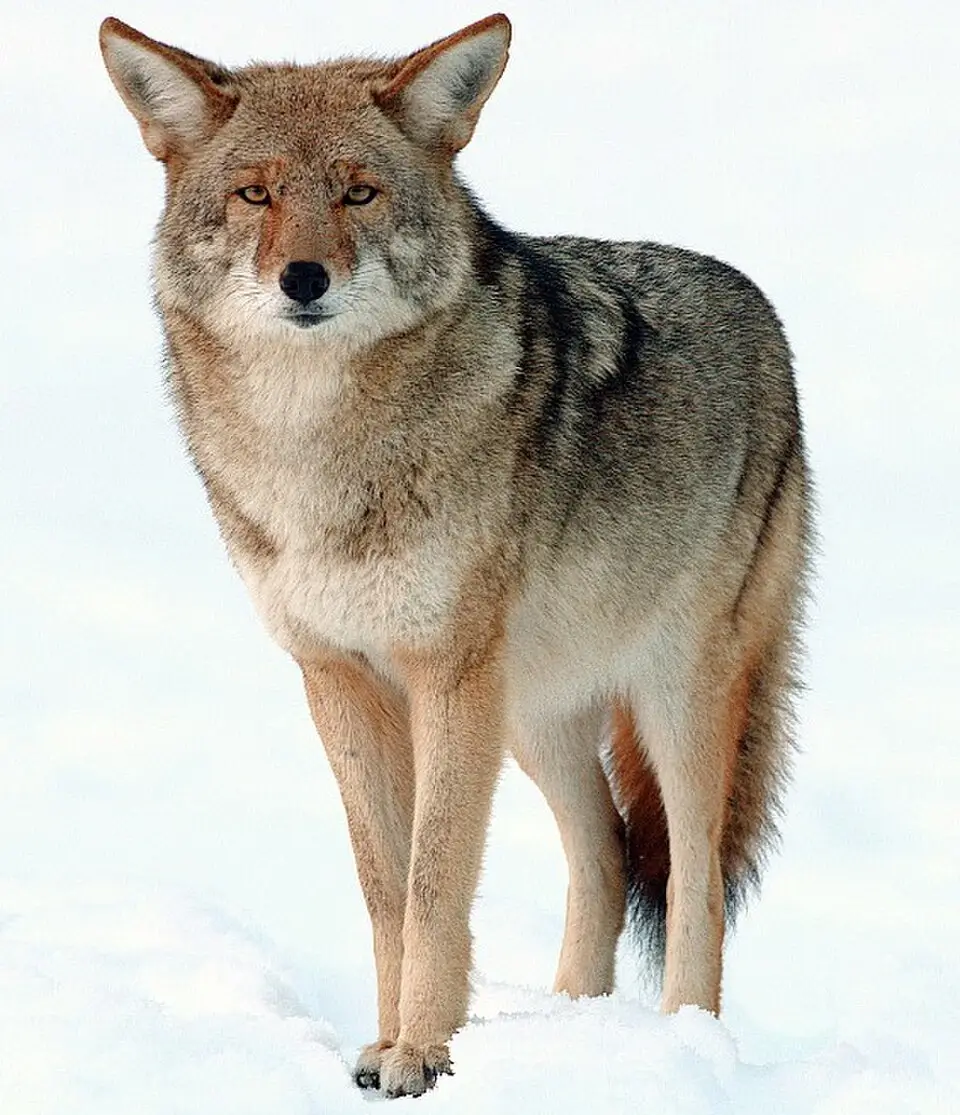
The coyote, known scientifically as Canis latrans — a Latin phrase meaning "barking dog" — is a member of the family Canidae, placing it in the same broad family as wolves, foxes, and domestic dogs. It is a medium-sized canid, typically leaner and lighter than a wolf but larger and more robust than most foxes. Adult coyotes generally display a coat that ranges from grayish-brown to reddish-brown on the back and sides, often with lighter, cream-colored undersides and a bushy tail tipped in black. Their large, pointed ears and narrow, expressive muzzle give them an alert, intelligent appearance that is immediately recognizable to anyone who has encountered one in the field.
One of the most scientifically interesting aspects of the eastern coyote — the population found in New York and much of the northeastern United States — is its unique genetic heritage. Eastern coyotes are widely understood to carry a mix of coyote, wolf, and domestic dog genetics, the result of historical interbreeding as coyotes expanded eastward across the continent. This hybridization has produced animals that are, on average, noticeably larger than their western counterparts. In New York and neighboring states, it is not uncommon to encounter eastern coyotes, sometimes called "coywolves" by researchers and enthusiasts, that are considerably heavier and more powerfully built than classic western coyotes.
Coyotes are highly vocal animals, communicating through an impressive range of howls, yips, barks, and whines. Their iconic group howling, often performed at dusk and dawn, serves a variety of social functions, including territory advertisement and family group coordination. This vocal complexity is one reason coyotes have featured so prominently in the folklore, mythology, and spiritual traditions of Indigenous peoples across North America, where the coyote frequently appears as a trickster figure — clever, mischievous, and always surprising.
As omnivores, coyotes maintain a remarkably flexible diet. They are opportunistic hunters and foragers, capable of taking prey ranging from small rodents, rabbits, and birds to white-tailed deer fawns and, in leaner times, insects, berries, and carrion. This dietary flexibility is a cornerstone of their extraordinary success as a species. In agricultural landscapes, coyotes help control rodent populations; in forested areas, they play an important role in regulating prey species and maintaining ecological balance.
Coyotes typically mate in late winter, with pups born in the spring after a gestation period of approximately 63 days. Litters commonly range from four to seven pups, though litter sizes can vary depending on environmental conditions and population density. Both parents participate in raising the young, and coyote families often maintain strong social bonds within their territory.
Habitat & Range
The coyote's original range was centered on the open plains and prairies of western North America, but over the past century and a half, the species has staged one of the most dramatic range expansions of any large mammal in modern times. Today, coyotes are found across virtually the entire North American continent, from the Pacific Coast to the Atlantic, from Alaska and northern Canada all the way down through Central America. They have adapted to an extraordinary diversity of environments: deserts, grasslands, temperate forests, boreal woodlands, wetlands, and urban green spaces.
In New York State, coyotes are present in every region of the state. The vast forests of the Adirondacks and Catskills provide classic predator habitat, with dense woodland cover, abundant white-tailed deer, and relatively low human pressure. The agricultural landscape of central and western New York — with its mosaic of fields, hedgerows, woodlots, and stream corridors — offers ideal habitat for coyotes hunting rabbits, rodents, and other small game. Even the suburban fringes of New York City and Long Island have seen increasing coyote activity in recent decades, a testament to the animal's remarkable ability to exploit edge habitat and coexist alongside dense human populations.
New York's geographic diversity, encompassing nearly 55,000 square miles of varied terrain from the Great Lakes shoreline in the west to the Atlantic coast in the southeast, provides a rich patchwork of habitats that coyotes navigate with ease. Their large home ranges and willingness to travel considerable distances make them a truly statewide presence in New York.
Hunting Information
Coyote hunting has a long tradition in New York and across the northeastern United States, and it remains one of the most challenging and rewarding forms of predator hunting available to sportsmen and sportswomen in the region. Coyotes are notoriously wary, highly intelligent animals with acute senses of smell, hearing, and vision, making them a formidable quarry for even experienced hunters.
Hunters in New York and elsewhere pursue coyotes using a variety of methods. Electronic and mouth-blown calls that mimic the distress cries of rabbits and other prey animals are popular and effective tools, drawing curious or hungry coyotes within shooting range. Howling calls, which imitate coyote vocalizations, can also be effective, particularly during the winter breeding season when territorial instincts are heightened. Many hunters use decoys in conjunction with calls to provide a visual stimulus that holds a responding coyote's attention long enough for a shot.
Rifle hunting is common for coyotes, with flat-shooting calibers well suited to the open fields and agricultural edges where coyotes are frequently encountered. Shotguns loaded with heavy shot are preferred by hunters working dense cover or pursuing coyotes at closer ranges. Bowhunting for coyotes, while demanding exceptional skill and patience, is practiced by dedicated hunters who enjoy the additional challenge.
Night hunting is a particularly exciting and effective method for coyotes, as these animals are naturally more active after dark. Thermal and night-vision optics have significantly expanded the possibilities for nighttime predator hunting in recent years.
It is important for all hunters to consult the most current regulations issued by the New York State Department of Environmental Conservation (DEC) before pursuing coyotes. Regulations regarding season dates, permissible hunting methods, licensing requirements, and any regional restrictions can change from year to year, and it is every hunter's responsibility to ensure they are in full compliance with applicable state and local laws. The DEC's official website is the authoritative source for up-to-date hunting information in New York.
Conservation
From a conservation standpoint, the coyote stands as a remarkable success story. Unlike many of North America's large predators, which have faced severe population declines due to habitat loss and persecution, the coyote has not only survived the pressures of the modern era but has actively expanded its range and population. This resilience is a product of the species' biological flexibility — its broad diet, high reproductive rate, and exceptional adaptability to human-modified landscapes.
Coyotes play an important ecological role as mesopredators, helping to regulate populations of rodents, rabbits, and other small and medium-sized animals. In areas where larger apex predators such as wolves are absent, coyotes partially fill the niche of top predator, influencing prey behavior and indirectly shaping vegetation dynamics and ecosystem health.
Coexistence between coyotes and human communities remains an ongoing conversation in New York and across North America. Responsible wildlife stewardship — including securing attractants like garbage and pet food, supervising small pets in coyote country, and educating communities about coyote behavior — helps reduce negative encounters and supports healthy, balanced wildlife populations. Hunters contribute meaningfully to coyote management, helping to maintain population levels in areas where coyotes may otherwise cause conflicts with livestock or local wildlife.
The coyote, in all its cunning and adaptability, is a living symbol of nature's resilience. For New Yorkers — whether they encounter this animal on a remote Adirondack trail or hear its eerie serenade from a backyard in the Hudson Valley — the coyote is a reminder that wildness persists, even in one of the most populated states in the nation.