Overview
Few animals embody the spirit of wild North America quite like the bobcat. Elusive, adaptable, and undeniably striking, this medium-sized wild cat has captured the imagination of wildlife enthusiasts, hunters, and naturalists for centuries. Known scientifically as Lynx rufus, the bobcat is the most common and widely distributed wild cat on the entire North American continent. From the dense hardwood forests of the northeastern United States to the arid scrublands of the American Southwest, the bobcat has proven itself to be one of nature's most successful predators — a testament to the animal's remarkable adaptability and resilience.
In New York State, the bobcat occupies a particularly fascinating ecological niche. As one of the most populous and densely developed states in the nation, New York might not seem like ideal bobcat country at first glance. Yet this remarkable feline thrives in pockets of wild habitat throughout the state, from the rugged Adirondack Mountains to the Catskill foothills, reminding residents and visitors alike that wildness persists even in close proximity to one of the world's great urban centers. Understanding the bobcat — its biology, its behavior, its habitat needs, and its relationship with hunters and conservationists — is essential for anyone who spends time in the outdoors of New York or anywhere across North America.
Biological Traits
The bobcat (Lynx rufus) belongs to the family Felidae and is a member of the genus Lynx, which it shares with three other species: the Canada lynx (Lynx canadensis), the Eurasian lynx (Lynx lynx), and the Iberian lynx (Lynx pardinus). The bobcat is the smallest of the North American lynx species, though it is by no means a small animal. Adults typically display a robust, muscular build well-suited to life as an ambush predator.
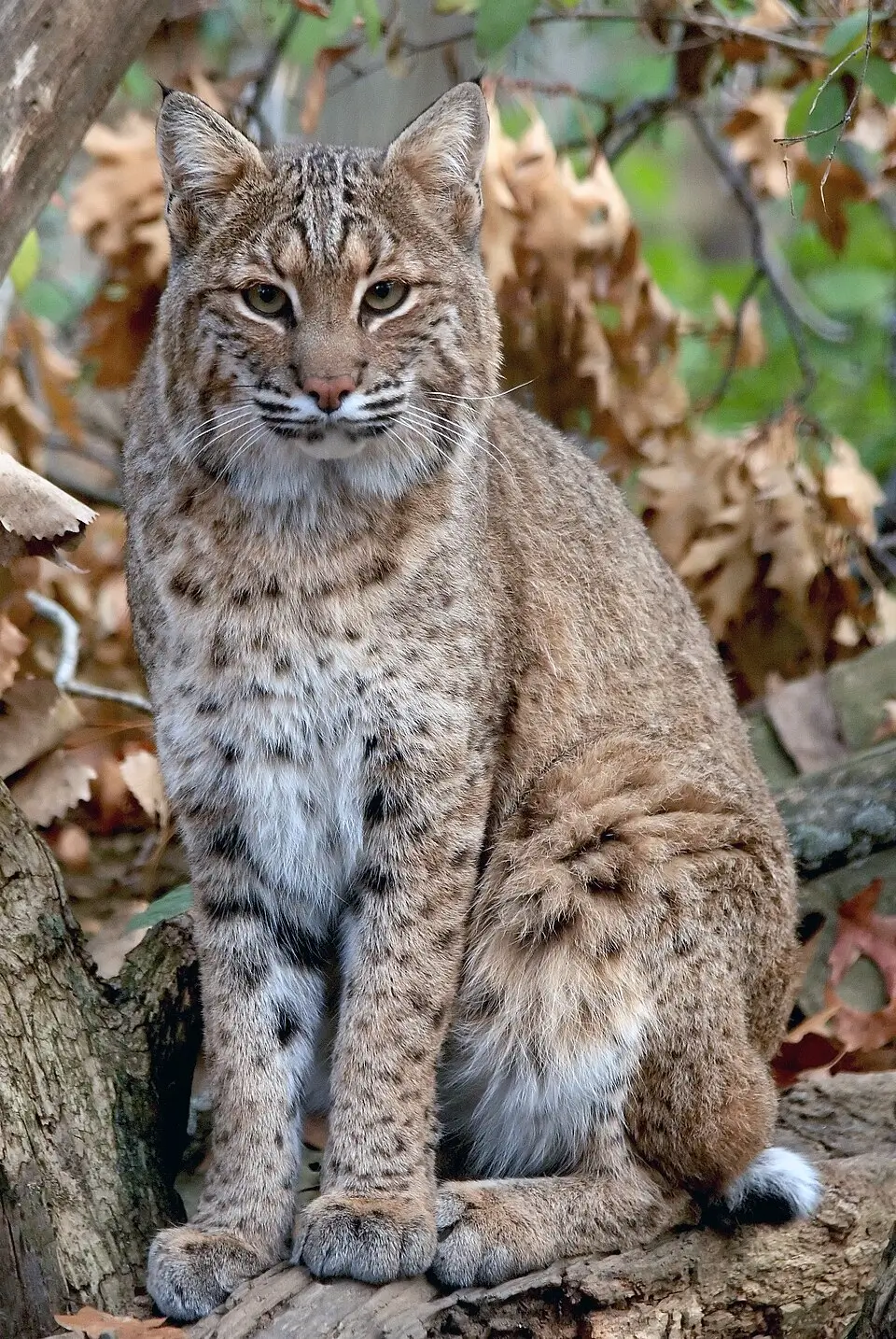
One of the bobcat's most recognizable features is its short, "bobbed" tail — the characteristic from which it derives its common name. This stubby tail, typically just a few inches in length and tipped in black on top with a white underside, immediately distinguishes the bobcat from domestic cats and other wild felids. The coat of a bobcat is one of its most beautiful attributes, generally displaying a tawny to reddish-brown base color overlaid with dark spots and streaks that provide exceptional camouflage in dappled woodland light. The face is framed by distinctive facial ruffs — tufts of fur extending from the cheeks — and the ears are slightly tufted at their tips, though less dramatically so than those of the Canada lynx.
The bobcat's physical adaptations make it an extraordinarily effective predator. Its hind legs are longer than its front legs, giving the animal a characteristic bobbing gait and the ability to make powerful, explosive leaps when ambushing prey. Its paws are large relative to its body size, providing sure footing on a variety of terrain. Like all members of the cat family, the bobcat possesses retractable claws and exceptional low-light vision, enabling it to hunt effectively at dawn, dusk, and through the night.
Bobcats are generally solitary animals, with the exception of breeding season and females raising young. They are highly territorial, with individuals maintaining home ranges that they mark and defend using scent markings, scrapes, and vocalizations. Males typically maintain larger home ranges than females, and these ranges may overlap with those of several females. The bobcat's primary prey species include rabbits and hares, which form the backbone of its diet across most of its range, though it is an opportunistic hunter perfectly capable of taking deer, birds, rodents, and other small to medium-sized prey depending on availability. This dietary flexibility is one of the key reasons the bobcat has proven so successful across such a diversity of habitats.
Reproduction in bobcats follows a seasonal pattern, with breeding typically occurring in late winter and early spring. After a gestation period of approximately 60 to 70 days, females give birth to litters typically consisting of two to four kittens. The young are born with their eyes closed and are entirely dependent on their mother for the first weeks of life. As they grow, the mother teaches them the essential hunting and survival skills they will need as adults. By their first autumn, young bobcats are typically approaching adult size, and most will disperse from their mother's territory to establish their own ranges.
Bobcats are generally silent animals, but during breeding season they are capable of producing a remarkable range of vocalizations, from soft chirps and meows to loud, eerie screams and caterwauling calls that can carry considerable distances through still night air — sounds that have undoubtedly startled more than a few unsuspecting hikers and hunters in the field.
Habitat & Range
The bobcat's range is extraordinary in its breadth, extending from southern Canada through virtually the entire contiguous United States and southward into central Mexico. This makes Lynx rufus the most range-extensive wild cat in North America by a considerable margin. Within this vast range, the bobcat demonstrates a remarkable capacity to exploit a wide variety of habitat types.
Dense forests, brushy thickets, swampy bottomlands, rocky outcrops, semi-arid scrublands, and even suburban edge habitats have all been successfully colonized by bobcats. The common thread running through all preferred bobcat habitats is the presence of adequate cover for stalking and ambushing prey, sufficient prey populations — particularly rabbits, hares, and rodents — and rocky or brushy denning sites where females can safely raise their young.
In New York State, bobcats are primarily associated with the state's wilder, more forested regions. The Adirondack Park — a vast patchwork of public and private land in the northern part of the state encompassing millions of acres of forest — provides some of the finest bobcat habitat in the northeastern United States. The Catskill Mountains and the Delaware River watershed in southern New York also support bobcat populations, as do other forested and agricultural-edge landscapes scattered throughout the state. New York's varied topography, which includes mountains, valleys, wetlands, and extensive second-growth forests, creates a mosaic of habitat types well-suited to a generalist predator like the bobcat.
The bobcat's ability to persist in New York — a state that is simultaneously home to over 20 million people and vast tracts of productive wildlife habitat — speaks to the species' inherent adaptability. While bobcats generally avoid heavily urbanized areas, they have shown a surprising willingness to occupy habitat fragments and edge environments in suburban and semi-rural landscapes, occasionally turning up in backyards or on trail cameras in areas where many would not expect to find a wild cat.
Hunting Information
The bobcat occupies a storied place in North American hunting tradition. Valued both for its challenging nature as a quarry and for its beautiful fur, bobcat hunting has been practiced across the continent for generations. Pursuing bobcats typically requires a combination of specialized skills, including proficiency with calls — particularly prey distress calls that appeal to the bobcat's predatory instincts — the use of well-trained hounds, and a thorough knowledge of the animal's habits and habitat preferences. Bobcat hunting demands patience, woodsmanship, and a deep understanding of the landscape, making it one of the more technically demanding pursuits available to hunters.
For hunters interested in pursuing bobcats in New York State, it is essential to consult the New York State Department of Environmental Conservation (NYSDEC) for the most current and accurate regulations. Hunting regulations, including season dates, legal methods of take, bag limits, and licensing requirements, are subject to change and vary by region within the state. At the time of this writing, specific season dates and license requirements for New York bobcat hunting were not available in the source data consulted for this article, and hunters should always verify current rules directly with the NYSDEC before planning a hunt. Regulations are carefully developed by wildlife managers to ensure that bobcat populations remain healthy and sustainable, and compliance with all applicable rules is both a legal obligation and an ethical one.
It is worth noting that bobcat hunting and trapping are regulated activities in most jurisdictions across the United States, reflecting the wildlife management community's commitment to maintaining robust and healthy bobcat populations for future generations. Responsible hunters and trappers play an important role in this management framework, providing both harvest data and license fee revenue that supports conservation programs.
Conservation
The conservation status of the bobcat is generally positive across most of its range. Thanks in large part to its adaptability, the species has recovered well in many areas where it was historically reduced in numbers due to habitat loss and unregulated harvest in earlier eras. Today, the bobcat is listed as a species of least concern by the International Union for Conservation of Nature (IUCN), reflecting the overall stability and breadth of its population across North America.
In New York, bobcat populations are monitored and managed by the NYSDEC, which uses harvest data, track surveys, and other monitoring tools to assess population trends and inform management decisions. The conservation of large, connected forest blocks — such as the Adirondack Park — is essential for maintaining healthy bobcat populations in the state. Habitat connectivity allows individual bobcats to disperse, find mates, and maintain the genetic diversity that contributes to long-term population health.
The bobcat's role as an apex predator in many of the ecosystems it inhabits gives it outsized ecological importance. By regulating populations of rabbits, hares, rodents, and other prey species, bobcats contribute to the overall balance and health of the ecosystems they call home. Protecting and managing bobcat populations is therefore not only valuable for the species itself but for the broader ecological communities of which it is a part.
Public awareness and appreciation of the bobcat continue to grow, driven in part by the proliferation of trail cameras and wildlife photography that has allowed many people to glimpse this secretive animal for the first time. As New Yorkers and outdoor enthusiasts across the continent develop a deeper understanding and appreciation of this remarkable wild cat, the prospects for the bobcat's continued success look bright.