Overview
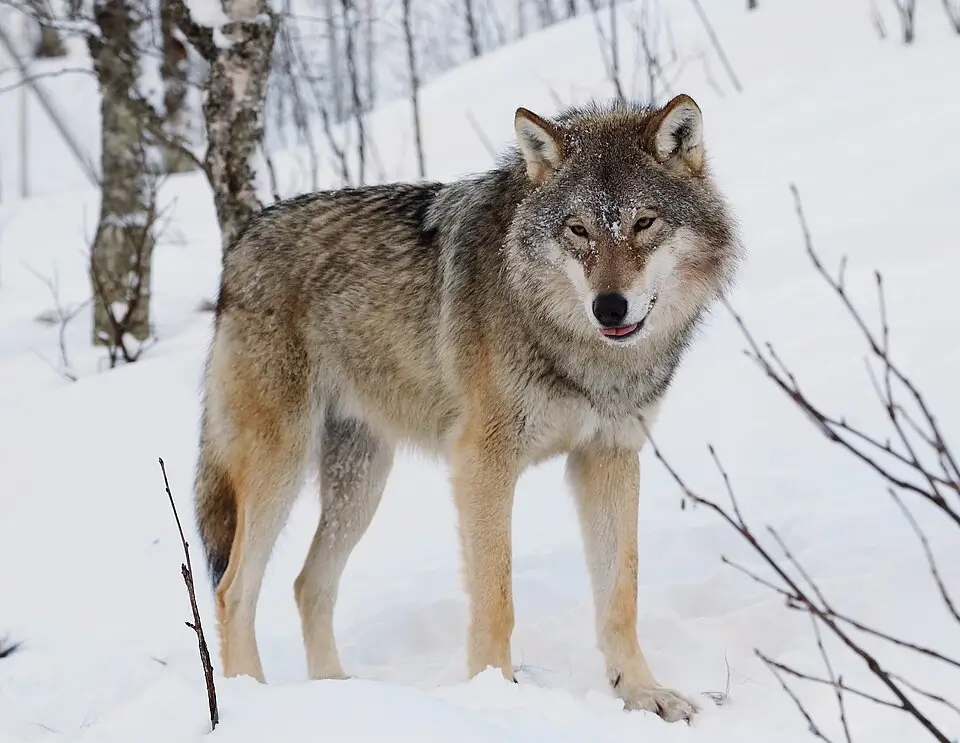
Few animals stir the imagination quite like the gray wolf. Known scientifically as Canis lupus, the wolf is one of the most recognized, studied, and debated predators on the planet. With its haunting howl echoing across open landscapes, its sophisticated social structure, and its profound ecological role as an apex predator, the wolf occupies a singular place in both the natural world and in human culture. Across North America, and particularly in states like Montana, the gray wolf represents both the raw power of wilderness and the complex intersection of wildlife management, conservation, and hunting tradition.
For centuries, wolves roamed virtually every corner of the Northern Hemisphere, from dense boreal forests to open tundra, from mountain ranges to vast prairies. Their story in the American West — one of extirpation, federal protection, controversial reintroduction, and ongoing management — is one of the most compelling wildlife narratives of modern times. Today, Montana stands as one of the primary strongholds for wolf populations in the contiguous United States, making it a focal point for hunters, conservationists, wildlife biologists, and outdoor enthusiasts alike.
Whether you are a hunter considering pursuing this magnificent animal, a wildlife watcher hoping to catch a glimpse of a pack in action, or simply a nature lover curious about one of North America's greatest predators, understanding the wolf in depth is a rewarding endeavor. This article explores the biology, habitat, hunting considerations, and conservation status of Canis lupus in the context of Montana and the broader American West.
Biological Traits
The gray wolf, Canis lupus, is the largest wild member of the family Canidae — the dog family — which also includes coyotes, foxes, and domestic dogs. In fact, the domestic dog (Canis lupus familiaris) is widely recognized as a subspecies or domesticated form of the gray wolf, a relationship that underscores just how deeply wolves and humans have been intertwined throughout history.
Wolves are powerfully built animals. Adults typically stand roughly 26 to 32 inches at the shoulder and can stretch four and a half to six feet in length from nose to tail. Body weight varies considerably depending on geography, sex, and available prey, but adult wolves generally range from around 60 to over 100 pounds, with some individuals in northern populations reaching even greater sizes. Males tend to be larger than females, a characteristic common among many large predators.
Despite the name "gray wolf," coat color is highly variable. Individual wolves may be white, black, tawny, brown, or various blends of gray and buff. This coat diversity is especially visible in pack settings, where members of the same family group may display strikingly different pelage. Their thick, double-layered coat provides insulation against the harsh winters of northern climates, making them supremely adapted to cold environments.
Perhaps the most remarkable biological feature of the wolf is its social organization. Wolves are intensely social animals that live and hunt in family groups known as packs. A typical pack consists of a breeding pair — often called the alpha male and alpha female — along with offspring from one or more previous years. Pack sizes can range from just two or three animals up to a dozen or more, though larger packs are most common in areas with abundant prey.
Communication within the pack is sophisticated and multifaceted. Wolves use vocalizations — including the iconic howl — as well as body language, facial expressions, scent marking, and physical contact to maintain social bonds and coordinate activities. Howling serves multiple functions: it helps pack members locate one another across distances, reinforces territorial boundaries, and strengthens social cohesion within the group. To hear a wolf pack howl in unison is one of the most unforgettable experiences wild Montana has to offer.
Wolves are highly intelligent and are known for their strategic, cooperative hunting behavior. As coursing predators, they rely on stamina, coordination, and teamwork to pursue and bring down prey animals that are often much larger than themselves. Ungulates — hoofed mammals such as elk, deer, moose, and bison — form the backbone of the wolf's diet across most of its North American range. Wolves also supplement their diet with smaller mammals, beaver, and carrion when the opportunity arises.
Reproduction in wolves follows a relatively predictable seasonal cycle. Breeding typically occurs in late winter, with a gestation period of approximately 63 days. Litters generally consist of four to six pups, though litter size can vary. Pups are born blind and helpless, relying entirely on their mother and other pack members for warmth, protection, and food during the early weeks of life. By late summer and fall, young wolves are large enough to begin participating in pack hunts, learning the skills that will sustain them throughout their lives.
Wolves are long-ranging animals with enormous home territories. A pack may patrol and defend a territory covering hundreds of square miles, depending on prey density, terrain, and competition from neighboring packs. This far-ranging nature means that wolves frequently cross political boundaries — including state lines and international borders — which complicates management efforts considerably.
Habitat & Range
Historically, the gray wolf was one of the most widely distributed land mammals on Earth, occupying habitats across North America, Europe, Asia, and even parts of northern Africa. In North America, wolves once ranged from the Arctic tundra to the deserts of Mexico. European settlement brought dramatic changes, however, and by the mid-twentieth century, wolves had been extirpated from most of the contiguous United States through a combination of hunting, trapping, and large-scale predator control programs.
Today, healthy wolf populations persist in Alaska, Canada, and portions of the northern Rocky Mountain region. In the contiguous United States, Montana is one of the most important states for wolf recovery and population maintenance. Montana's landscape is ideally suited to wolves: the state encompasses vast stretches of federally managed wildlands, national forests, national parks, and wilderness areas that provide both suitable habitat and abundant prey.
The western half of Montana in particular — characterized by rugged mountain ranges, river valleys, dense conifer forests, and high-elevation meadows — provides exceptional wolf habitat. The proximity of major protected areas, including Glacier National Park and the Bob Marshall Wilderness Complex, ensures that large, undisturbed landscapes remain available for wolf packs to establish territories and raise young. Eastern Montana, with its rolling prairies and river breaks, supports smaller but notable wolf populations as well.
Montana borders Idaho to the west, Wyoming to the south, and the Canadian provinces of Alberta, British Columbia, and Saskatchewan to the north. This geographic positioning means that Montana's wolf population is connected to larger metapopulations across the northern Rockies and into Canada, providing important genetic exchange and population resilience.
Hunting Information
Wolf hunting and trapping in Montana has a history that reflects the broader tensions and evolving management philosophies surrounding large predators in the American West. As wolves recovered in the northern Rockies following federal reintroduction efforts in the 1990s, state wildlife management agencies began working toward establishing regulated hunting seasons as a tool for population management.
Montana Fish, Wildlife & Parks (MFWP) is the state agency responsible for managing wolf populations within Montana. The agency uses science-based approaches to set hunting and trapping regulations, balancing ecological considerations with the needs of livestock producers, hunters, and the broader public.
Important Note for Hunters: The specific season dates, license requirements, and harvest quotas for wolf hunting in Montana are subject to change from year to year and are set by Montana Fish, Wildlife & Parks. Because this information was not available in the source data reviewed for this article, hunters are strongly encouraged to consult the official Montana Fish, Wildlife & Parks website or contact MFWP directly for the most current and accurate regulations before purchasing licenses or planning a hunt. Regulations governing wolf hunting can also be influenced by federal court decisions and changes in federal listing status, so staying up to date is essential.
Hunting wolves is a challenging and deeply rewarding pursuit for those who undertake it. These are intelligent, wary animals with exceptional senses of smell, hearing, and vision. Successful wolf hunters typically invest significant time in scouting, learning pack territories, and understanding wolf movement patterns. Calling techniques, trail cameras, and glassing open terrain from elevated vantage points are all methods employed by experienced wolf hunters in Montana's varied landscape.
Because wolves cover enormous territories, a hunt for Canis lupus often doubles as a broader wilderness experience — one that takes hunters deep into some of Montana's most spectacular and remote country.
Conservation
The story of wolf conservation in the United States is one of the most significant wildlife management achievements of the twentieth century. After being nearly eliminated from the contiguous United States, wolves were listed under the Endangered Species Act, affording them federal protection that allowed populations to gradually recover in suitable habitats.
The reintroduction of gray wolves to Yellowstone National Park and central Idaho in 1995 and 1996 marked a turning point. These reintroduction efforts are now widely studied as landmark examples of rewilding and ecosystem restoration. Research conducted in the decades since reintroduction has documented the cascading ecological effects of wolf presence — influencing prey behavior, vegetation, river systems, and the populations of other species — a phenomenon scientists describe as a "trophic cascade."
Montana's wolf population is carefully monitored by state and federal wildlife managers. Population surveys, GPS collaring studies, and hunter harvest data all contribute to an ongoing understanding of wolf numbers, pack dynamics, and range. The goal of modern wolf management in Montana is to maintain a viable, self-sustaining population while managing conflicts with livestock and addressing the concerns of hunting and ranching communities.
Wolves remain a subject of passionate discussion among wildlife stakeholders of all perspectives. For hunters, wolves represent a unique and prestigious quarry as well as a species whose predator-prey relationships directly affect elk and deer populations. For ranchers, wolf presence near livestock operations requires proactive management and often the use of non-lethal deterrents. For conservationists, wolves are a keystone species whose presence enriches entire ecosystems. Finding common ground among these perspectives is the ongoing work of wildlife managers, policymakers, and communities across Montana and the broader West.
What is clear is that the gray wolf's return to Montana represents a genuine conservation success story — one that speaks to the resilience of nature when given the opportunity to recover.