Overview
Few animals have shaped North American history, ecology, and culture quite like the North American beaver (Castor canadensis). From the fur trade era that drove European exploration of the continent to the modern conservation movement that has helped restore wetland ecosystems across the country, the beaver holds a unique and irreplaceable place in both the natural world and the human story. Revered by Indigenous peoples, prized by trappers and traders, and celebrated by ecologists, this remarkable rodent continues to capture the imagination of anyone who spends time near rivers, streams, and lakes.
In a state like Montana — a vast, rugged landscape bordering Idaho, Wyoming, North Dakota, South Dakota, and the Canadian provinces of Alberta, British Columbia, and Saskatchewan — the North American beaver is a cherished and ecologically vital resident. Montana's fourth-largest-in-the-nation land area encompasses an extraordinary diversity of river systems, mountain streams, and wetland corridors that provide ideal habitat for this industrious creature. Understanding the biology, behavior, and conservation needs of Castor canadensis is essential for hunters, wildlife enthusiasts, landowners, and anyone who cares about the health of freshwater ecosystems.
Biological Traits
The North American beaver is the largest rodent native to North America and one of the largest rodents in the world, second only to the South American capybara. Its scientific name, Castor canadensis, places it firmly within the family Castoridae, a lineage with deep evolutionary roots stretching back millions of years. The genus Castor also includes the Eurasian beaver (Castor fiber), the beaver's closest living relative, though the two species are distinct and occupy separate continents.
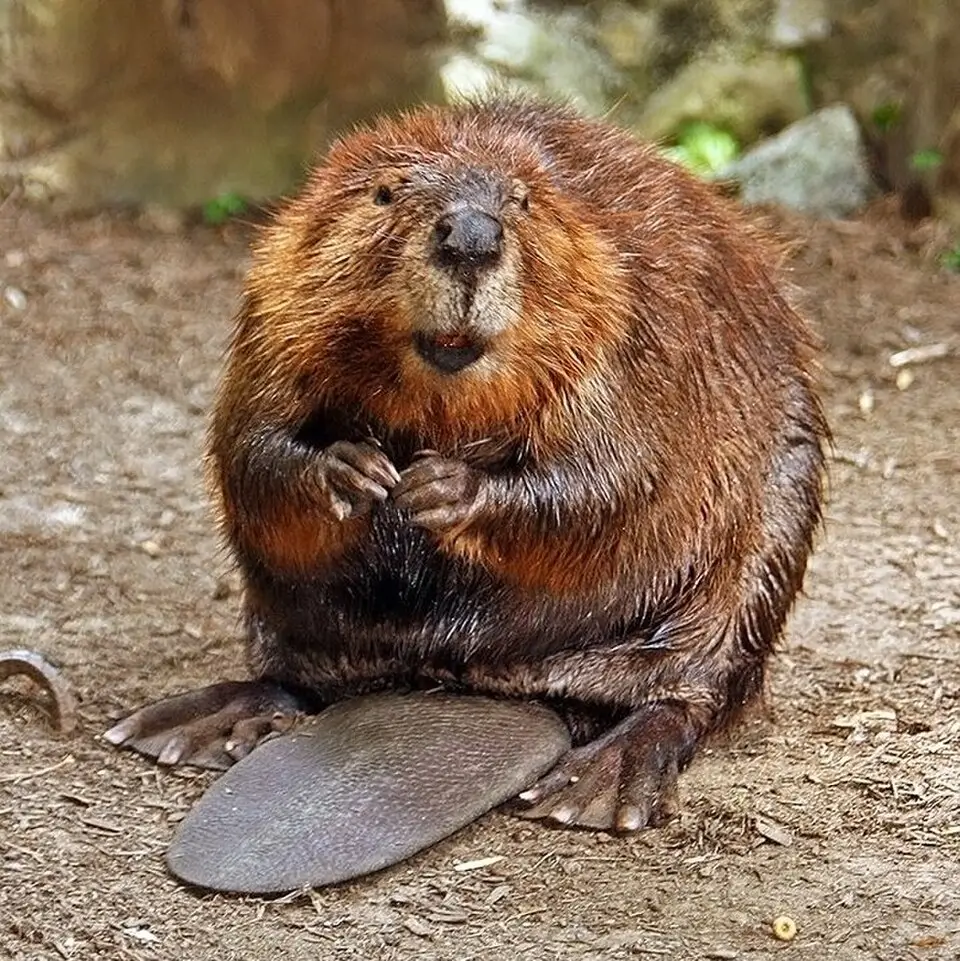
One of the most defining physical characteristics of the beaver is its broad, paddle-shaped tail, which serves multiple purposes. It acts as a rudder during swimming, a prop when the animal sits upright to gnaw on trees, a fat-storage organ during winter months, and a communication tool — beavers slap their tails loudly on the water's surface to warn colony members of approaching danger. The sound of a beaver tail-slap is one of the more startling experiences in the outdoors, a sharp crack that echoes across still water and sends ripples in every direction.
Beavers possess powerful, orange-tinted incisors that never stop growing. The orange color comes from iron-rich enamel on the front surfaces of the teeth, which makes them exceptionally hard and durable — perfectly suited for their life's work of felling trees and processing wood. Behind those impressive front teeth, beavers have a gap (called a diastema) followed by grinding molars used to process vegetation. Their lips can close behind the incisors, allowing them to gnaw on submerged wood without taking in water.
Their hind feet are webbed, making them powerful swimmers, while their forepaws are dexterous and surprisingly nimble, capable of manipulating sticks, mud, and stones with impressive precision. A beaver's fur consists of two layers: a dense, waterproof underfur and longer, coarser guard hairs on top. Special glands near the base of the tail produce castoreum, a musky secretion used for scent-marking territory. Castoreum has historically been used in perfumery and as a trapping lure, a fact well known to generations of North American trappers.
Beavers are primarily nocturnal and crepuscular, most active at dawn and dusk. They are largely herbivorous, feeding on the bark, cambium (inner bark), leaves, and twigs of trees such as aspen, willow, cottonwood, and alder, as well as aquatic vegetation. During fall, they engage in intensive food-caching behavior, stockpiling branches underwater near their lodge entrances to sustain the colony through the frozen winter months when foraging above ground is difficult or impossible.
Beavers are famously monogamous, typically forming long-term pair bonds. A beaver colony generally consists of an adult mating pair and their offspring from the past one to two years. Young beavers, called kits, are born in late spring and are remarkably precocial — they can swim within hours of birth. Kits remain with their parents for approximately two years before dispersing to establish their own territories, a journey that can take them surprisingly long distances overland.
Perhaps the most celebrated aspect of beaver biology is their engineering behavior. Beavers are one of only a handful of species on Earth (besides humans) that dramatically alter their own environment to suit their needs. By felling trees and constructing dams across streams and rivers, beavers create ponds that raise water tables, slow erosion, filter sediment, and generate rich wetland habitats. Their lodges — dome-shaped structures built from sticks and mud with underwater entrances — provide secure shelter year-round and are engineering marvels in their own right.
Habitat & Range
The North American beaver has one of the broadest ranges of any large mammal on the continent, occurring from the Arctic tundra of northern Canada and Alaska south through most of the contiguous United States and into northern Mexico. The species is absent only from desert regions with no suitable water sources and from Florida, where it is replaced by a different ecological community.
Beavers favor riparian habitats — the vegetated zones along rivers, streams, lakes, and ponds. They are particularly associated with low-gradient streams where their dam-building activities can effectively raise water levels and create the ponds they prefer. Ideal beaver habitat includes an abundant supply of woody vegetation, especially fast-growing species like willow, aspen, and cottonwood, along with banks suitable for lodge or burrow construction.
In Montana, beaver habitat is abundant and diverse. The western half of the state, shaped by the Rocky Mountain ranges, is laced with cold, clear mountain streams and river valleys that provide prime beaver territory. The eastern half, part of the Great Plains, contains numerous prairie streams and river drainages. Montana's major river systems — including the Missouri, Yellowstone, Flathead, Clark Fork, and their many tributaries — all support beaver populations, making the state one of the best places in the lower 48 to observe or pursue these animals.
Hunting and Trapping Information
The North American beaver has been one of the most economically significant fur-bearing animals in North American history. The demand for beaver pelts, particularly for the European hat trade, fueled centuries of exploration, settlement, and conflict across the continent. The Hudson's Bay Company, founded in 1670, built an empire substantially on beaver fur, and Montana's own history is deeply intertwined with the mountain men and fur traders who followed beaver-rich streams into the Rockies during the early 19th century.
Today, beaver trapping and hunting remain legitimate and regulated outdoor pursuits in Montana and across much of North America. Beaver fur continues to have value in the commercial fur market, and beaver meat — though less commonly consumed — is edible and has been used as a food source by Indigenous peoples and trappers for centuries.
In Montana, the regulation of beaver trapping and hunting falls under the jurisdiction of Montana Fish, Wildlife & Parks (MFWP). As with all furbearer regulations in the state, specific season dates, licensing requirements, bag limits, and legal methods of take are subject to change from year to year. Anyone interested in pursuing beaver in Montana is strongly encouraged to consult the current Montana furbearer regulations published by MFWP before heading afield. Regulations can vary by drainage, region, or management zone, and staying current ensures both legal compliance and responsible wildlife stewardship.
General trapping methods for beaver include the use of body-gripping traps (such as Conibear-style traps) and foothold traps, typically set near runs, slides, feed piles, or dam structures. Scent lures, including castoreum-based attractants, are widely used and effective. Some hunters also pursue beaver via rifle or shotgun during legal seasons, typically targeting animals on open water during low-light periods.
Because the specific season dates and license information for Montana were not available in the source data consulted for this article, readers are urged to visit the official Montana Fish, Wildlife & Parks website or contact a local MFWP office for the most accurate and up-to-date regulatory information.
Conservation
The story of beaver conservation in North America is one of the great wildlife success stories of the 20th century. By the early 1900s, centuries of unregulated trapping had reduced beaver populations to a small fraction of their historic numbers across much of the continent. However, with the implementation of regulated trapping seasons, licensing systems, and habitat protections, beaver populations have rebounded dramatically.
Today, Castor canadensis is listed as a species of least concern by the International Union for Conservation of Nature (IUCN), a testament to the effectiveness of science-based wildlife management. In many regions, including Montana, beaver populations are healthy and well-distributed across suitable habitats.
Beyond their own population status, beavers play an outsized role in ecosystem health. The wetlands created by beaver dams support extraordinary biodiversity — providing habitat for waterfowl, songbirds, amphibians, fish, mammals, and countless invertebrates. Beaver ponds recharge groundwater, moderate stream temperatures, reduce downstream flooding, and improve water quality. Ecologists increasingly recognize beavers as a keystone species and even a potential tool for ecological restoration, with "beaver reintroduction" programs being explored in various parts of the West to combat drought and restore degraded stream systems.
Responsible hunting and trapping, conducted within the bounds of state and federal regulations, play an important role in maintaining balanced beaver populations, particularly in areas where beavers may come into conflict with agricultural operations, roadways, or other human infrastructure. The regulated harvest of beavers represents a long-standing tradition of wildlife stewardship that honors both the animal and the landscapes it calls home.