Overview
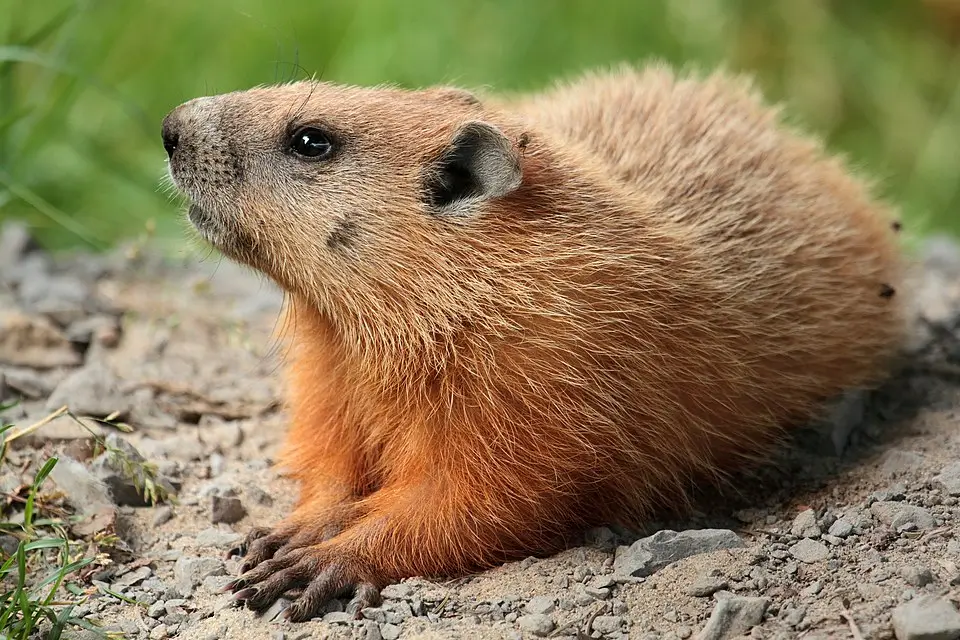
Few animals in North America command as much cultural recognition as the groundhog. Known by a surprising variety of names — woodchuck, whistle-pig, and land beaver among them — the groundhog (Marmota monax) is a stocky, burrowing mammal that has earned a place in both popular folklore and the serious world of wildlife biology. Every February, millions of Americans tune in to see whether a captive groundhog in Punxsutawney, Pennsylvania, will "predict" the arrival of spring. But beyond the pageantry of Groundhog Day, this remarkable rodent has a fascinating life history, a wide geographic range, and a meaningful role in the ecosystems it calls home.
For hunters and outdoor enthusiasts in states like Montana, the groundhog also represents a unique and challenging quarry. Whether you are drawn to the sport of varmint hunting, looking to protect agricultural land, or simply interested in learning more about one of North America's most distinctive mammals, this guide covers everything you need to know about Marmota monax.
Biological Traits
The groundhog is a member of the family Sciuridae, which makes it a close relative of squirrels, prairie dogs, and other marmots. As the largest member of the marmot group found in the eastern and central portions of North America, the groundhog is a robust, heavily built animal. Adults typically weigh between 5 and 14 pounds, with their body weight fluctuating dramatically between seasons due to the demands of true hibernation. In late summer and early fall, groundhogs enter a phase of intensive feeding known as hyperphagia, during which they accumulate thick fat reserves to sustain them through the winter months.
One of the groundhog's most defining biological characteristics is its status as a true hibernator. Unlike many mammals that simply enter a prolonged sleep during winter, groundhogs undergo a dramatic physiological transformation. Their body temperature drops sharply — sometimes approaching the ambient temperature of their burrow — and their heart rate and breathing slow to a fraction of their normal pace. This state of torpor can last from as early as October through as late as April, depending on geographic location and local climate conditions.
Groundhogs are well-equipped for their semi-fossorial (burrowing) lifestyle. They possess strong, curved claws ideal for digging, and their compact, muscular bodies allow them to move efficiently through underground tunnels. Their burrow systems are engineering marvels, often featuring multiple entrances, dedicated sleeping chambers, and even separate areas used for waste. These burrows can extend 5 feet deep and up to 25 feet in length.
The species is primarily herbivorous, feeding on a wide variety of grasses, clovers, wildflowers, and agricultural crops. Their strong incisor teeth, characteristic of all rodents, grow continuously throughout their lives and are essential for processing tough plant material. Groundhogs are also known to occasionally consume insects, snails, and other small invertebrates, making them technically omnivorous under certain conditions.
Groundhogs are largely solitary animals outside of the mating season. Males typically emerge from hibernation before females and will travel considerable distances in search of mates. The breeding season occurs in late winter or early spring, shortly after emergence from hibernation. After a gestation period of approximately 31 to 32 days, females give birth to litters typically ranging from two to six young, called kits or cubs. The young are born blind, hairless, and entirely dependent on their mother. By midsummer, the juveniles disperse to establish their own territories and dig their own burrow systems.
Communication among groundhogs includes a variety of vocalizations. The "whistle-pig" nickname derives from a sharp, high-pitched whistle the animals produce as an alarm call when they sense danger. They also produce lower chattering sounds and may grind their teeth as a warning signal.
Habitat & Range
The groundhog enjoys one of the widest geographic ranges of any marmot species in North America. Its range stretches from the southeastern United States northward through the eastern and central parts of the continent, extending well into Canada, including portions of Alaska. Marmota monax is particularly well-adapted to edge habitats — areas where forests meet open fields, meadows, or agricultural land. This preference makes farms, orchards, roadsides, and suburban areas common groundhog haunts.
In Montana, the groundhog's range is less extensive than in eastern states, but the species is present, particularly in the eastern portions of the state and in areas where habitat conditions align with the animal's needs. Montana's diverse landscape — which includes vast grasslands, river valleys, wooded foothills, and agricultural plains — provides suitable habitat in various locations. Montana is the fourth-largest state by area in the United States, offering an enormous expanse of terrain that supports a wide diversity of wildlife, including multiple members of the squirrel family.
Groundhogs are creatures of proximity — they rarely venture far from the safety of their burrows. Observers will most commonly spot them in the early morning or late afternoon hours when they emerge to feed. During the hottest parts of summer days, they often retreat underground or rest near burrow entrances. Their wariness and keen eyesight make them surprisingly difficult to approach closely, a trait that hunters and wildlife photographers alike will quickly appreciate.
Hunting Information
Groundhog hunting — often referred to as woodchuck hunting or varmint hunting — is a time-honored tradition across much of North America. Hunters are drawn to it for several reasons: the challenge of making precise, long-range shots on a small, wary target; the opportunity to practice marksmanship during off-seasons; and the practical benefit of managing populations that can cause agricultural damage through their burrowing activity.
Groundhog hunting is typically pursued with centerfire rifles chambered in flat-shooting, accurate cartridges well-suited for the ranges involved. Common choices among varmint hunters include cartridges such as the .22-250 Remington, .223 Remington, and similar rounds capable of delivering accuracy at extended distances. Some hunters also pursue groundhogs with rimfire rifles at closer ranges or even with airguns in specific jurisdictions.
The hunting itself demands patience, fieldcraft, and shooting skill. Because groundhogs are alert and quick to dive underground at the first sign of danger, hunters must approach carefully, often using natural terrain features or blinds to conceal themselves. Calling and glassing open fields from a distance before setting up a shooting position are common tactics.
Regarding specific seasons, license requirements, and regulations for hunting groundhogs in Montana, hunters should consult directly with Montana Fish, Wildlife & Parks (FWF) for the most current and accurate information. Regulations for non-game and varmint species can vary and may be subject to change, and official state wildlife agency resources are always the most reliable guide. As with all hunting activities, respecting landowner rights and obtaining proper permissions before accessing private land is essential.
Conservation
The groundhog is currently listed as a species of least concern by wildlife conservation authorities, reflecting its wide distribution and robust, adaptable populations across North America. Its ability to thrive in human-altered landscapes — farmland, suburban edges, roadsides — has actually allowed it to maintain and even expand its range in some areas as forests have been converted to open habitats.
While groundhogs can sometimes conflict with agricultural interests due to their burrowing and feeding habits, they also play meaningful ecological roles. Their extensive burrow systems provide shelter for a surprising variety of other species, including foxes, rabbits, opossums, skunks, and numerous invertebrates. In this way, the groundhog functions as an important ecosystem engineer, creating habitat structure that benefits the broader community of animals sharing its range.
Groundhogs also serve as an important prey species for a range of predators, including foxes, coyotes, bobcats, eagles, and hawks. In managed landscapes like Montana's diverse ecosystems, they are one component of a complex food web that connects predators and prey across multiple trophic levels.
Conservation-minded hunters, naturalists, and landowners all contribute to the healthy stewardship of groundhog populations when they practice ethical, responsible wildlife management. Whether through regulated hunting, habitat management, or simply a commitment to learning more about native wildlife, every outdoor enthusiast has a role to play in preserving the natural heritage that species like Marmota monax represent.