Overview
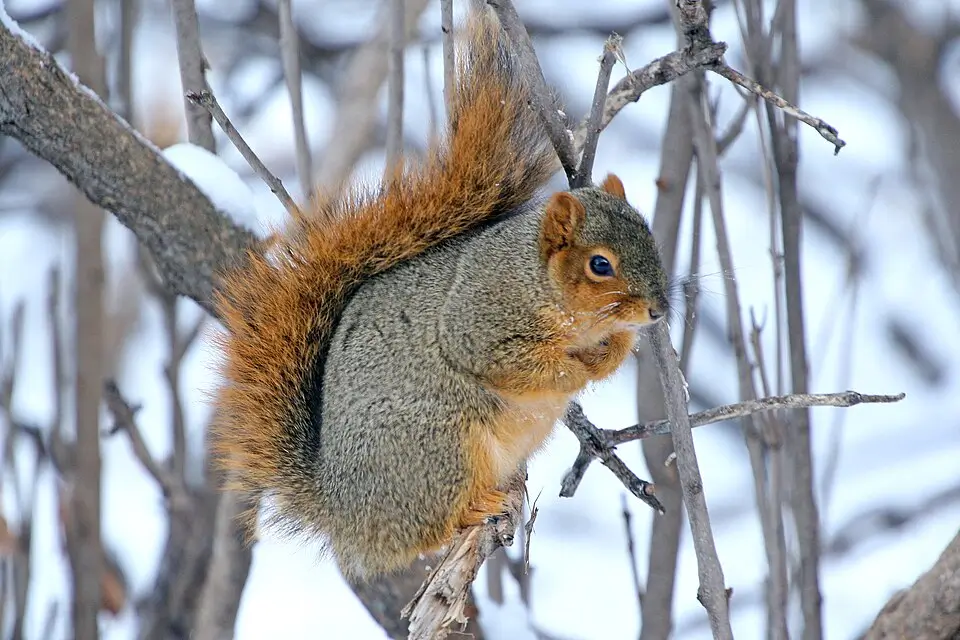
Few animals embody the spirit of woodland edges and open hardwood forests quite like the fox squirrel. Known scientifically as Sciurus niger, the fox squirrel holds the distinction of being the largest tree squirrel native to North America. With its bold coloring, athletic agility, and adaptable nature, this charismatic rodent has long captured the imagination of wildlife enthusiasts, naturalists, and hunters alike. Whether you spot one bounding across a sun-dappled forest floor or clinging to the bark of a mature oak tree, the fox squirrel is an undeniably impressive animal that plays a meaningful role in the ecosystems it inhabits.
Across much of the United States, the fox squirrel is a familiar and beloved presence. From the hardwood river bottoms of the Midwest to the longleaf pine forests of the Southeast, this species has demonstrated a remarkable capacity to thrive in a variety of environments. Its size, striking appearance, and important ecological functions make it a fascinating subject of study, and its sporting qualities have made it one of the most pursued small game animals in North America.
This article explores everything you need to know about Sciurus niger — its biology, its natural history, its habitat preferences, and what hunters and wildlife watchers can expect when seeking out this remarkable animal.
Biological Traits
The fox squirrel is a member of the family Sciuridae, the large and diverse family that includes all squirrels, chipmunks, marmots, and prairie dogs. Within this family, fox squirrels belong to the genus Sciurus, which encompasses the large tree squirrels found throughout the Americas and Eurasia.
One of the most immediately striking features of the fox squirrel is its size. Adults are substantially larger than their close relatives, such as the eastern gray squirrel (Sciurus carolinensis). A mature fox squirrel typically weighs between 500 grams and over one kilogram, and its body length — from nose to the base of the tail — can range from roughly 45 to 70 centimeters. The bushy, flowing tail adds considerable length and serves important functions in balance, communication, and thermoregulation.
Perhaps even more remarkable than its size is the fox squirrel's extraordinary coat variation. Across its range, Sciurus niger exhibits a wide array of color morphs. In the Midwest and northern parts of its range, individuals are often a rich, tawny orange-brown on the back with bright rusty or orange undersides — coloration that gives the species its common name, as the coat can resemble that of a red fox. However, in the southeastern United States, melanistic (black) individuals are common, and in some regions, squirrels may display nearly white or cream-colored fur on the face and underside. This level of geographic color variation is unusual among North American mammals and makes fox squirrels visually fascinating wherever they are encountered.
Like all members of the genus Sciurus, fox squirrels are diurnal animals, meaning they are active primarily during daylight hours. They are most active in the early morning and late afternoon, often retreating to shade or their nests during the heat of midday. Their nests, called dreys, are large constructions of leaves, twigs, and bark, typically built high in the forks of trees. Fox squirrels may also use natural tree cavities as shelter, particularly during colder months.
The diet of the fox squirrel is varied and highly seasonal. Acorns, hickory nuts, walnuts, and other hard mast form the cornerstone of their diet in autumn and winter. During spring and summer, they consume a wider variety of foods including buds, flowers, berries, fungi, insects, and even bird eggs on occasion. Like many squirrel species, fox squirrels are scatter-hoarders — they bury individual food items at scattered locations throughout their home range. This caching behavior is essential for winter survival, but it also has a significant ecological benefit: cached nuts that are never retrieved may germinate and grow into trees, making fox squirrels important agents of forest regeneration and seed dispersal.
Reproduction in fox squirrels typically occurs twice a year, with breeding seasons in late winter and midsummer. After a gestation period of approximately 44 to 45 days, females give birth to litters of two to four young. The young are born blind and hairless and are entirely dependent on their mother for several weeks. By around three months of age, juvenile fox squirrels are largely independent, though they may remain near their birth territory for some time before dispersing.
Habitat & Range
The fox squirrel has one of the broadest geographic ranges of any North American tree squirrel. Its native range extends across much of the central and eastern United States, from the Great Plains states eastward to the Atlantic seaboard, and from the Gulf Coast northward into parts of the upper Midwest and Great Lakes region. Isolated populations and introduced populations exist in other areas as well, including parts of the western United States where fox squirrels have been deliberately or accidentally introduced.
Within this broad range, fox squirrels show a strong preference for open, parklike woodlands rather than dense, closed-canopy forests. They thrive along woodland edges, in forest fragments surrounded by agricultural land, in open-grown riparian corridors, and in savannas with well-spaced, mature trees. Mature hardwoods — particularly oaks, hickories, and walnuts — are especially important habitat components, as these trees provide both food and nesting sites.
Unlike the eastern gray squirrel, which often prefers denser forest interiors, the fox squirrel's preference for more open habitats has actually allowed it to benefit in some agricultural landscapes where woodland patches remain. River bottoms lined with cottonwoods and hardwoods in the Great Plains are classic fox squirrel habitat, and this is where many hunters and wildlife observers in the central states are most likely to encounter the species.
In the context of Montana, the fox squirrel represents an interesting case. Montana — the fourth-largest state by area — is primarily characterized by its dramatic Mountain West landscapes, including the Rocky Mountains in the west and the sweeping high plains in the east. The eastern portion of Montana, with its river corridors and cottonwood-lined bottomlands, provides habitat that approaches the kind of open, edge-heavy woodland the fox squirrel tends to prefer. Fox squirrels are not historically considered a widespread species across Montana, and their presence in the state, if documented, would likely be associated with riparian corridors in the eastern regions of the state.
Hunting Information
The fox squirrel is one of the most popular small game animals in North America, and for good reason. It is large enough to provide a satisfying table fare experience, challenging enough to test a hunter's woodsmanship, and abundant enough in many parts of its range to support sustainable harvest.
Squirrel hunting has a rich tradition in American outdoor culture. Many experienced hunters credit their early squirrel-hunting days as foundational experiences that taught them patience, observation skills, and an appreciation for the natural world. Hunting fox squirrels requires a quiet approach, an understanding of the animal's habits and habitat preferences, and the ability to remain still and alert while waiting for movement in the treetops.
Fox squirrels are most commonly pursued with .22 rimfire rifles or small-gauge shotguns. Hunters typically focus on areas with mature mast-producing trees, particularly oaks and hickories, especially in the early fall when squirrels are actively feeding on acorns. The best hunting is often found in the morning hours when squirrels are most active, or later in the afternoon as they resume feeding before dusk.
As for hunting fox squirrel specifically in Montana, hunters should be aware that official hunting regulations, season dates, and licensing requirements for this species in Montana were not available in the source data consulted for this article. Anyone wishing to pursue fox squirrels in Montana — or any other small game species — should consult the Montana Fish, Wildlife & Parks (FWP) directly for the most current and accurate regulatory information before heading afield. Regulations can change from year to year, and it is every hunter's responsibility to be fully informed and compliant with state law.
Conservation
The fox squirrel occupies an interesting position from a conservation standpoint. Across much of its range, particularly in the Midwest and Great Plains, it remains a common and abundant species with stable populations. However, certain subspecies — most notably the Delmarva fox squirrel (Sciurus niger cinereus) of the mid-Atlantic region, and the Big Cypress fox squirrel of Florida — have faced significant habitat pressures and have been or continue to be listed under conservation protections.
The primary threats to fox squirrel populations, where they exist, are habitat loss and fragmentation. The removal of mature hardwood trees, the elimination of open woodland habitats, and the intensification of agriculture can all reduce the quality and connectivity of fox squirrel habitat. Conversely, habitat management practices that maintain open-grown mature hardwoods, preserve woodland edges, and retain snag trees and natural cavities are highly beneficial to this species.
Fox squirrels also serve as an indicator species in some ecosystems. Their presence in healthy numbers often reflects a well-managed, structurally diverse woodland landscape. Conservation-minded hunters, landowners, and land managers who maintain and improve woodland habitats contribute meaningfully to the long-term health of fox squirrel populations.
Hunting, when conducted within sustainable regulatory frameworks, has not been shown to negatively impact fox squirrel populations and may, through the revenue generated by licenses and the Pittman-Robertson excise tax on sporting equipment, contribute to habitat conservation efforts that benefit the species and many others.