Overview
Few animals in North America capture the imagination quite like the coyote. Known scientifically as Canis latrans — Latin for "barking dog" — the coyote is one of the continent's most iconic, resilient, and fascinating wild canids. Whether you're a seasoned hunter trekking through the vast landscapes of Montana or simply a wildlife enthusiast scanning open meadows at dusk, the sight and sound of a coyote is an experience that resonates deeply with the spirit of the American wilderness.
The coyote holds a unique place in both the ecological fabric of North America and in the cultural traditions of Indigenous peoples, who have long regarded this animal as a symbol of cleverness and adaptability. Today, the coyote remains one of the most widely distributed and frequently encountered wild predators on the continent, thriving not only in remote wilderness areas but also in suburban parks, agricultural fields, and even the outskirts of major cities. Its success story is a testament to one of nature's most extraordinary survival strategies.
In Montana — the fourth-largest state by area and a land of breathtaking natural diversity — the coyote is a prominent fixture of the landscape. From the sweeping prairies of the eastern plains to the rugged mountain ranges of the west, this adaptable canid has carved out a place in nearly every ecosystem the state has to offer. For hunters and wildlife managers alike, understanding the coyote's biology, behavior, and role in the ecosystem is essential to appreciating and responsibly engaging with this remarkable animal.
Biological Traits
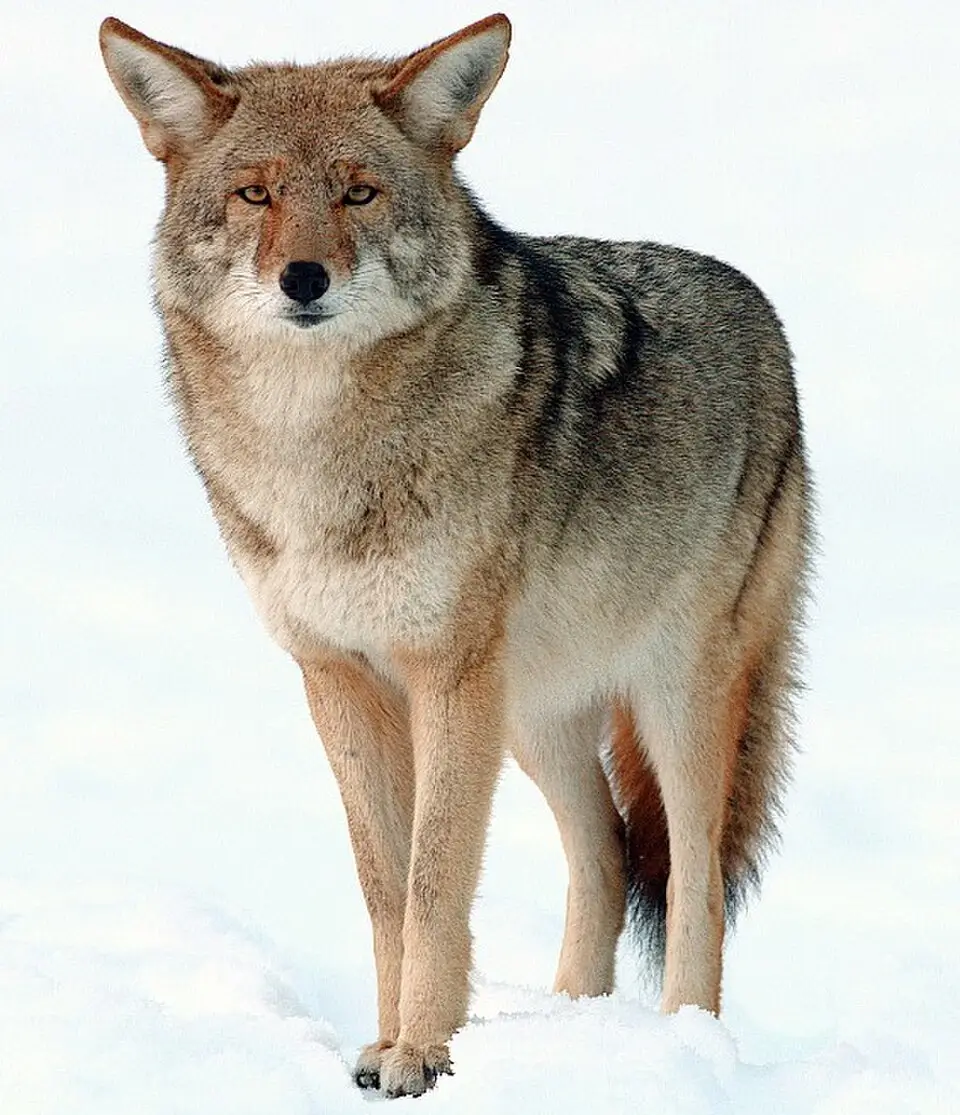
The coyote, Canis latrans, is a member of the family Canidae, placing it in the same broad biological family as wolves, foxes, and domestic dogs. It is a medium-sized canid, generally smaller than the gray wolf but larger than most fox species. Its physical appearance is often described as a lean, athletic build with long legs adapted for running, a narrow muzzle, large ears that stand erect, and a bushy, downward-carried tail that distinguishes it from domestic dogs, which typically carry their tails upright or curled.
Coyotes display a wide variation in coat color depending on their geographic location and individual genetics. Most commonly, their fur ranges from grayish-brown to a reddish-tan, with a paler belly and throat. Darker individuals and those with more reddish tones are also common, particularly in forested environments. This variation in coloration provides natural camouflage suited to diverse environments, from open grasslands to dense woodlands.
One of the most remarkable biological traits of the coyote is its intelligence and behavioral flexibility. Coyotes are highly opportunistic omnivores, meaning their diet shifts dramatically based on what is available in their environment. Small mammals such as rabbits, voles, and mice form the backbone of their diet in many regions, but coyotes will readily consume birds, reptiles, insects, fruit, carrion, and even human refuse when the opportunity presents itself. This dietary flexibility is one of the primary reasons the coyote has been so successful across such a broad range of habitats.
Coyotes are known for their complex vocalizations — a distinctive combination of yips, howls, barks, and whines that serve various social functions, from marking territory to coordinating with family members. Their calls are a defining sound of the American night, and few sounds stir the blood of a hunter sitting in the field under a star-filled Montana sky quite like the chorus of a coyote family in full voice.
Socially, coyotes can be found both as solitary individuals and in loosely organized family groups. A bonded pair will typically mate for life, raising pups together each spring. Litter sizes can vary based on population pressures and food availability — a fascinating biological response to hunting and predator control that has been well-documented by wildlife biologists. When coyote populations are reduced in a given area, surviving animals tend to produce larger litters, effectively compensating for the population decrease. This reproductive resilience is one of the defining characteristics that sets the coyote apart from many other predators.
Habitat & Range
The coyote's range is extraordinarily vast, spanning the entirety of North America from Central America and Mexico in the south to Alaska and northern Canada in the north. Historically, coyotes were primarily associated with the open plains and deserts of the American West, but over the past century they have dramatically expanded their range eastward, filling ecological niches left vacant by the extirpation of larger predators such as the gray wolf.
In terms of habitat preference, the coyote is remarkably non-specific. It thrives in grasslands, shrublands, deserts, forests, agricultural fields, and urban-suburban fringes. What the coyote requires above all else is access to adequate food, water, and denning sites — needs that can be met across an enormous variety of landscapes.
In Montana, coyotes are found statewide. The wide-open prairies and rolling badlands of eastern Montana provide ideal habitat, offering abundant prey populations of rabbits, prairie dogs, and ground squirrels. The agricultural lands of central Montana are equally hospitable, where coyotes patrol field edges and drainage areas in search of rodents and other prey. In western Montana — where the Rocky Mountains dominate the terrain — coyotes inhabit mountain valleys, river corridors, and forest edges, demonstrating their ability to adapt to even rugged, heavily timbered environments.
Montana's status as the fourth-largest state by area, combined with its relatively sparse human population, means that vast stretches of prime coyote habitat remain largely undisturbed. For hunters and wildlife enthusiasts, this translates into exceptional opportunities to observe and pursue coyotes across diverse and dramatic landscapes.
Hunting Information
Coyote hunting is a cherished tradition across much of the American West, and Montana is no exception. Hunters pursue coyotes for a variety of reasons — for sport and the challenge of calling in a wary predator, for the management of livestock depredation, and for the value of their pelts, which can produce beautiful, durable fur garments and accessories.
Coyote hunting in Montana is generally considered an open and accessible pursuit, as coyotes are classified as a predatory animal in the state. However, hunters should always consult the Montana Fish, Wildlife & Parks (FWF) for the most current and specific regulations, as rules regarding licensing, legal methods of take, and season structures can change. Based on the information available through our source data, specific season dates and license requirements for coyote hunting in Montana are not detailed, making it all the more important for hunters to verify current requirements directly with state wildlife authorities before heading afield.
From a practical standpoint, coyote hunting offers some of the most exciting and challenging hunting experiences available. Electronic calls and mouth calls mimicking distressed prey animals — such as wounded rabbits — are among the most popular and effective methods for attracting coyotes within range. Howling and coyote vocalizations can also be used to locate and call in animals, especially during the winter breeding season when coyotes are actively communicating with one another.
Hunters typically pursue coyotes during dawn and dusk hours when the animals are most active, though coyotes can be encountered at any time of day. Patience, concealment, and an understanding of wind direction are critical to success, as coyotes possess extraordinary senses of smell and hearing. A well-placed calling setup in likely habitat — near agricultural areas, prairie dog towns, or river bottoms — can produce exciting results for the prepared hunter.
Montana's sprawling landscapes, from the open plains to the mountain-rimmed valleys of the west, offer a spectacular backdrop for coyote hunting. Whether you're set up on a snow-covered prairie hillside in January or working a river bottom during an autumn morning, hunting coyotes in Big Sky Country is a genuinely memorable experience.
Conservation
Despite being hunted and trapped across much of its range for over a century, the coyote has not only survived but thrived. Its population status is considered stable and robust throughout North America, making it one of the few large predators that has actually expanded its range in the face of significant human pressure and landscape change.
The coyote plays an important ecological role as a mesopredator. By controlling populations of rodents, rabbits, and other small mammals, coyotes help maintain balance in the ecosystems they inhabit. In areas where larger apex predators such as wolves and mountain lions are absent, coyotes often step into a top predator role, exerting a meaningful influence on prey populations and vegetation dynamics.
Wildlife managers and conservation biologists continue to study the coyote's ecology, behavior, and interactions with other species. Their findings inform balanced management strategies that account for both the coyote's ecological contributions and the legitimate concerns of ranchers and farmers dealing with livestock depredation. Responsible hunting and trapping, conducted within the framework of state wildlife regulations, remains an important tool in population management.
The coyote's story is ultimately one of resilience, intelligence, and remarkable adaptability — qualities that have ensured its survival across a continent that has changed dramatically over the past two centuries. For hunters, naturalists, and wildlife lovers, the coyote represents something essential and enduring about the wild landscapes of North America.