A Comprehensive Guide to Puma concolor
Few animals capture the imagination quite like the cougar. Known by more names than perhaps any other mammal in the Western Hemisphere — mountain lion, puma, panther, catamount — this remarkable large cat has roamed the Americas for millions of years, adapting to an extraordinary range of environments and earning a reputation as one of nature's most skilled and elusive predators. Across the rugged landscapes of Montana and throughout the broader American West, the cougar occupies a near-mythological status among hunters, wildlife enthusiasts, and conservationists alike.
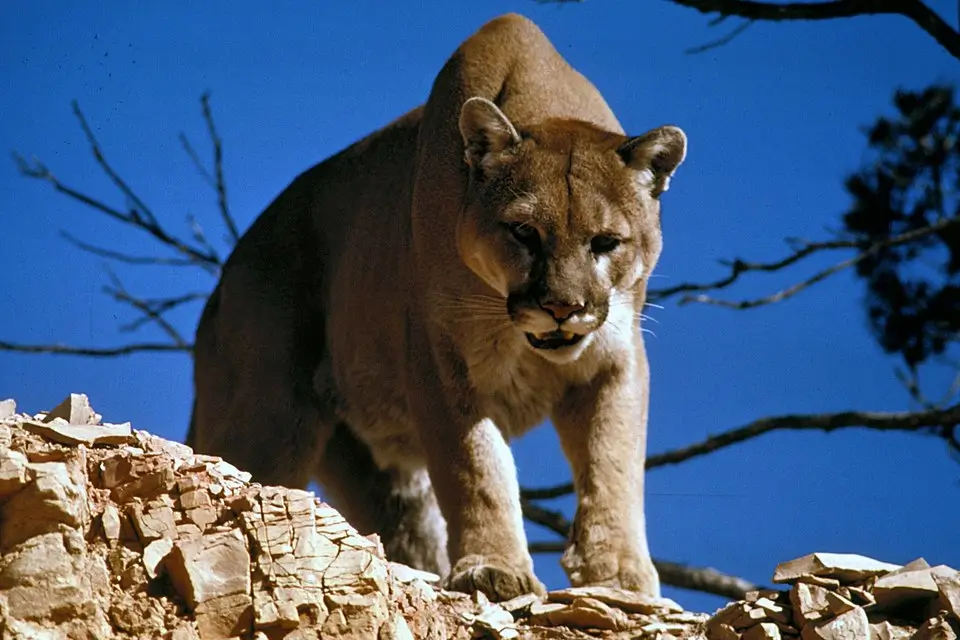
The cougar (Puma concolor) is North America's largest native cat and the second-largest cat in the Western Hemisphere, surpassed only by the jaguar. Despite its impressive size and power, the cougar is remarkably secretive by nature, preferring to move through its territory under the cover of darkness or twilight. Encounters between cougars and humans remain rare, which only adds to the mystique of this incredible animal. Whether you are a seasoned big-game hunter, a wildlife photographer, or simply a curious naturalist, understanding the biology, behavior, and habitat requirements of the cougar is a rewarding endeavor that deepens appreciation for the wild places this cat calls home.
Montana, with its vast wilderness areas, mountain ranges, river valleys, and dense coniferous forests, represents some of the finest cougar habitat remaining in the contiguous United States. The state's sheer size — the fourth-largest in the nation — combined with its relatively sparse human population creates expansive corridors of undisturbed land where cougars can thrive. For hunters and wildlife observers drawn to Montana's dramatic landscapes, the cougar stands as one of the most challenging and sought-after quarry in the American West.
Biological Traits
The cougar (Puma concolor) belongs to the family Felidae and is the sole surviving member of the genus Puma in the New World. Despite its considerable size, the cougar is more closely related to smaller cats than it is to lions, tigers, or leopards. This distinction places the cougar in a fascinating biological position — large enough to take down elk and deer, yet built with the agility and athleticism more commonly associated with medium-sized felines.
Adult cougars are powerfully built, with long hind legs that provide exceptional leaping ability. They are capable of jumping vertically up to 18 feet and covering horizontal distances of 40 feet or more in a single bound. Their muscular shoulders and forelimbs allow them to wrestle and subdue prey that can be significantly larger than themselves. The cougar's coat is typically tawny or tan, though coloration can vary from grayish-buff to reddish-brown depending on geographic location and individual variation. The underside is generally lighter, often cream or white, and cubs are born with distinctive spotted coats that fade as they mature.
One of the cougar's most notable biological traits is its vocalization. Unlike its larger relatives in the genus Panthera — lions, tigers, leopards, and jaguars — the cougar cannot roar. Instead, it communicates through a range of sounds including whistles, chirps, growls, hisses, and a haunting screaming call that has startled many a hiker or camper encountering it for the first time in the wild. This scream, often described as resembling a human cry, is particularly associated with females during the breeding season.
Cougars are solitary animals for the most part, with individuals maintaining large home ranges that they mark with scent and scrape markings. Males typically maintain larger territories than females, and these ranges may overlap with those of several females. Adult males and females generally avoid one another outside of the breeding season. When mating does occur, the pair may stay together for a short period before going their separate ways. Females are solely responsible for raising cubs, which are typically born in litters of two to three.
The cougar is an obligate carnivore, meaning its diet consists entirely of animal matter. It is an ambush predator of the highest order, relying on stealth, patience, and explosive speed rather than long-distance pursuit to catch prey. Deer, particularly mule deer and white-tailed deer, form the backbone of the cougar's diet across much of its range. However, the cougar is an opportunistic hunter and will take a wide variety of prey including elk, pronghorn, bighorn sheep, wild turkey, raccoons, rabbits, and smaller mammals when the opportunity presents itself. After making a kill, cougars will often cache the carcass beneath leaves, snow, or brush and return to feed over multiple days.
Habitat & Range
The cougar holds the distinction of having the largest natural range of any terrestrial mammal in the Western Hemisphere. Historically, Puma concolor ranged from the Yukon in Canada all the way south to the southern tip of South America in Patagonia, and from the Pacific Coast eastward across the entirety of North America. This remarkable range encompassed nearly every habitat type imaginable, from tropical rainforest and swampland to high alpine terrain, desert scrubland, and temperate grassland.
In the present day, cougar populations in the eastern United States have been largely extirpated, with the Florida panther (Puma concolor coryi) representing the only verified breeding population east of the Mississippi River. In the western United States, cougar populations remain healthy and widely distributed, with strongholds in states like Montana, Idaho, Wyoming, Colorado, California, and Utah.
Montana is an especially important landscape for cougar conservation and hunting alike. The state's diverse geography — encompassing the Rocky Mountains in the west, the expansive Great Plains in the east, river breaks, badlands, forests, and alpine meadows — provides a mosaic of habitats capable of supporting significant cougar populations. Cougars in Montana favor areas with adequate prey populations, particularly deer and elk, and prefer terrain that offers cover for stalking and ambush. Rocky ridgelines, timbered slopes, and brushy river corridors are all prime cougar habitats within the state.
The cougar's adaptability is one of its defining characteristics. It is equally at home in dense boreal forest, open desert, and the broken terrain of rimrock country. In Montana, cougars can be found across much of the mountainous western half of the state, and they are also present in the river breaks and badlands of the eastern part of the state, where cover and prey converge.
Hunting Information
Cougar hunting represents one of the most challenging and rewarding pursuits available to big-game hunters in the American West. The species' secretive nature, vast home ranges, and preference for difficult terrain make the cougar a formidable quarry that demands skill, patience, and persistence.
In Montana, the cougar is recognized as a game animal, and hunting opportunities exist for those willing to pursue this elusive predator through the state's rugged wilderness. However, specific season dates, license requirements, and tag quotas for cougar hunting in Montana were not available in the source data consulted for this article. Hunters interested in pursuing cougars in Montana are strongly encouraged to consult Montana Fish, Wildlife & Parks (FWP) directly for the most current and accurate regulatory information before planning a hunt. Regulations can change from year to year based on population surveys, harvest data, and wildlife management objectives.
Cougar hunting in Montana and across the West is commonly conducted with the use of trained hounds. Hound hunting is a traditional and highly effective method in which dogs are used to track and tree the cougar, giving the hunter an opportunity to approach and make a shot. This method requires significant investment in trained dogs, specialized equipment, and deep knowledge of cougar behavior and habitat. Some hunters also pursue cougars through spot-and-stalk methods, particularly in open terrain, though this approach is considerably more difficult given the cougar's preference for dense cover and its ability to remain hidden even in plain sight.
As with all big-game hunting in Montana, ethical, fair-chase hunting practices and strict adherence to regulations are paramount. The cougar commands immense respect as both a game animal and a keystone predator, and responsible hunters recognize the important role sustainable harvest plays in supporting wildlife management programs that benefit cougar populations for generations to come.
Conservation
The cougar's conservation story is one of resilience and recovery. Following centuries of persecution, government-sponsored predator eradication programs, and habitat loss, cougar populations across the American West have rebounded significantly since the mid-20th century. Today, western cougar populations are considered stable to increasing in many states, a testament to improved wildlife management practices and changing public attitudes toward large predators.
As an apex predator, the cougar plays a critical ecological role in the ecosystems it inhabits. By preying primarily on deer and elk, cougars help regulate ungulate populations and prevent overgrazing of vegetation in sensitive habitats. Research has shown that the presence of large predators like the cougar can have cascading positive effects on entire ecosystems — a phenomenon known in ecology as a trophic cascade. The work of wildlife managers, conservation organizations, and regulated hunting has been instrumental in maintaining healthy cougar populations across the West.
Montana, with its protected wilderness areas, national forests, and expansive public lands, provides essential habitat for cougars and serves as a source population for dispersing individuals that may colonize new areas. The state's commitment to science-based wildlife management ensures that cougar populations remain healthy and that hunting opportunities can be sustained responsibly into the future.