Overview
Few creatures embody the spirit of wild North America quite like the bobcat. Secretive, stealthy, and supremely adaptable, the bobcat (Lynx rufus) is the most widely distributed wild cat on the continent. From the dense swamps of the southeastern United States to the rugged mountain terrain of the West, this remarkable felid has carved out a living in nearly every conceivable landscape. In a state as vast and diverse as Montana — the fourth-largest state by area — the bobcat finds an especially rich and varied homeland, sharing the landscape with other iconic wildlife across millions of acres of wilderness, grassland, and mountain terrain.
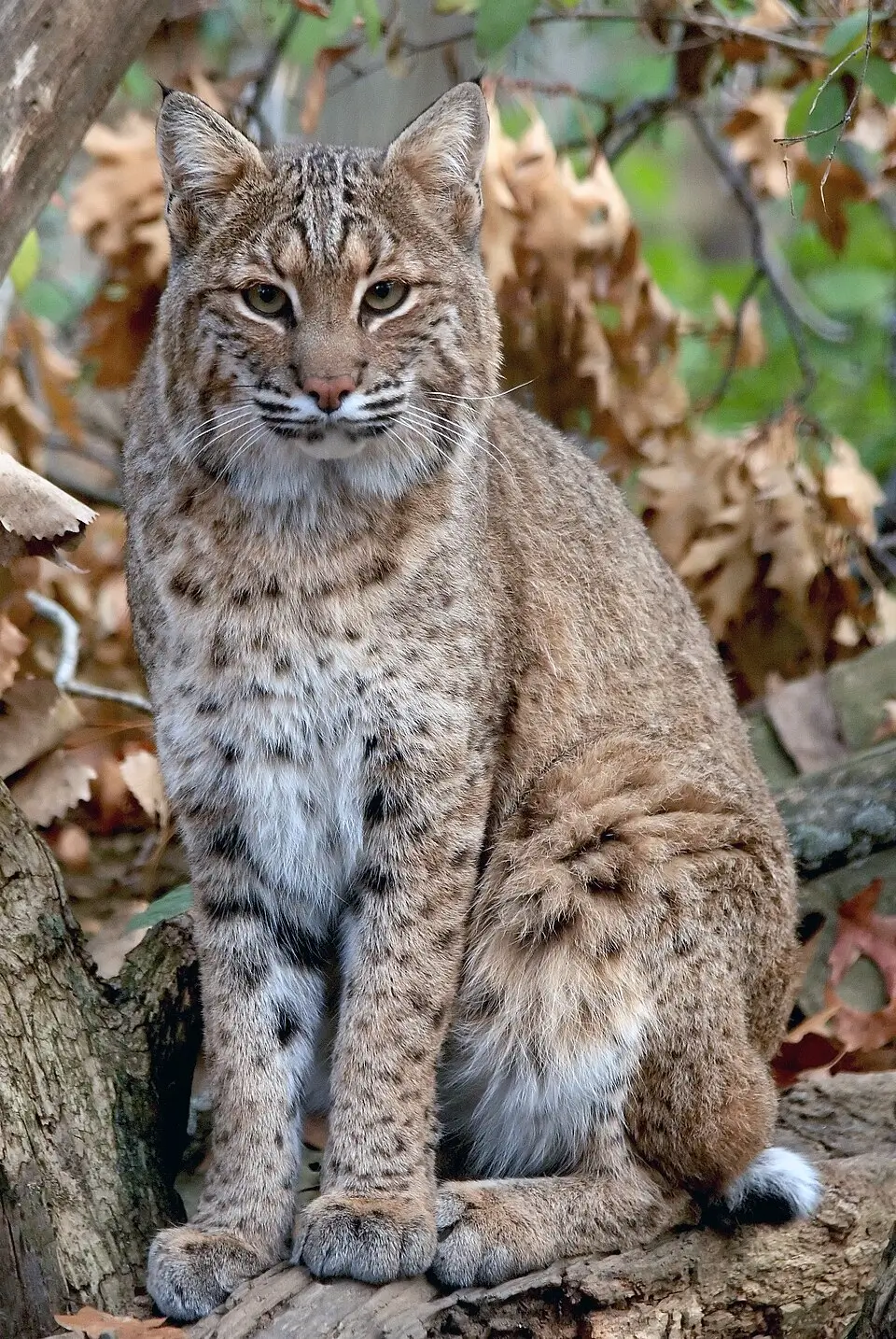
Despite its relatively modest size compared to the mountain lion or the lynx, the bobcat commands deep respect among wildlife enthusiasts, hunters, and naturalists alike. Its tawny, spotted coat, distinctive short "bobbed" tail, and piercing yellow eyes make it one of the most visually striking predators on the continent. Yet for all its widespread presence, a bobcat sighting remains a genuinely thrilling event — a testament to just how effectively this cat blends into its surroundings and avoids human observation.
This article explores the bobcat's biology, natural history, habitat preferences, its role in ecosystems like Montana's, and the traditions surrounding bobcat hunting and conservation.
Biological Traits
The bobcat (Lynx rufus) belongs to the family Felidae and the genus Lynx, placing it in close company with the Canada lynx (Lynx canadensis), the Eurasian lynx (Lynx lynx), and the Iberian lynx (Lynx pardinus). It is a medium-sized felid, generally larger than a domestic cat but considerably smaller than a mountain lion. Adults typically display a tawny to grayish-brown coat adorned with dark streaks and spots, a pattern that provides exceptional camouflage across a wide range of environments.
One of the bobcat's most recognizable features is, of course, its short, "bobbed" tail — typically only a few inches long — which is white on the underside and tipped with black on top. The ears are pointed and often feature short tufts of black fur, a characteristic shared with other members of the Lynx genus. The face is framed by a ruff of longer fur, giving the animal a slightly wild, dramatic appearance. The hind legs are notably longer than the front legs, which gives the bobcat a distinctive, somewhat crouched gait and contributes to its powerful leaping ability.
Bobcats are predominantly crepuscular and nocturnal, meaning they are most active around dawn and dusk, though they may also hunt during daylight hours — particularly during winter or in areas with lower human disturbance. They are solitary animals, with males and females coming together only briefly during the mating season. Males maintain larger home ranges that may overlap with the territories of several females.
As carnivores, bobcats are opportunistic hunters with a diet that can vary significantly by region and season. Rabbits and hares form the cornerstone of their diet across much of their range, but they are capable of taking a wide variety of prey including squirrels, mice, voles, birds, and occasionally white-tailed deer or pronghorn — particularly fawns or weakened adults. This dietary flexibility is one of the key reasons for the bobcat's remarkable success as a species across such a diverse array of habitats.
Bobcats are also known for their distinctive vocalizations, which can include yowls, hisses, and screams — sounds that can be startling to the uninitiated hiker or hunter who encounters them in the field. During the breeding season, these vocalizations become particularly pronounced as males and females communicate across their territories.
Habitat & Range
The bobcat's range spans an impressive swath of North America, stretching from southern Canada through the contiguous United States and into northern Mexico. The species' scientific name, Lynx rufus, reflects its reddish-brown coloration — "rufus" being the Latin word for red or reddish. Twelve subspecies of bobcat have historically been recognized, though modern genetic analyses have prompted ongoing revisions of this taxonomy.
The bobcat's habitat versatility is perhaps its most extraordinary ecological attribute. Unlike many specialized predators that depend on a narrow set of environmental conditions, the bobcat thrives in forests, swamps, deserts, scrublands, and mountainous terrain. The key habitat requirements appear to be adequate prey availability and sufficient cover for denning and hunting — conditions met across an enormous range of ecosystems.
In Montana, the bobcat finds an extraordinary diversity of habitat. Montana is a state of dramatic geographic contrasts: the western half is characterized by the Rocky Mountain ranges, with their dense coniferous forests, alpine meadows, and river valleys, while the eastern half transitions into the vast Northern Great Plains, with rolling grasslands, coulees, and river bottoms. The bobcat occupies suitable habitat across much of this landscape, making use of rocky outcroppings, riparian corridors, and brushy terrain wherever prey is available.
The bobcat's ability to survive in close proximity to human development — including agricultural areas and the fringes of suburban landscapes — has allowed it to persist even as other large predators have retreated from developed areas. This adaptability has made it not only the most widespread wild cat in North America but also one of the most resilient in the face of ongoing habitat change.
Hunting Information
Bobcat hunting is a cherished tradition across much of North America, blending the challenge of pursuing one of the continent's most elusive predators with the use of specialized hunting techniques and, often, well-trained hounds or predator calls. The bobcat's wariness, acute senses, and largely nocturnal habits make it one of the more demanding quarry a hunter can pursue, and a successful bobcat hunt is widely regarded as a genuine accomplishment.
Hunters typically pursue bobcats using one of several methods. Hound hunting — running trained dogs to track and tree bobcats — is a time-honored tradition in many parts of the country. Calling, using electronic or mouth calls that mimic the sounds of distressed prey animals such as rabbits, is another popular method that can be highly effective, particularly in open terrain. Trapping is also a well-established method with a long tradition in the fur trade.
In Montana, the bobcat is a sought-after game animal, prized both for its beautiful fur and for the sporting challenge it represents. Montana's vast and varied landscape — from the forested mountain ranges of the west to the open river corridors and badlands of the east — provides excellent habitat and hunting opportunities for those willing to put in the time and effort to learn the animal's habits and haunts.
It is important for all hunters and trappers to consult the current Montana Fish, Wildlife & Parks (FWF) regulations before pursuing bobcat, as seasons, license requirements, and any applicable regulations are subject to change. Specific season dates and licensing requirements were not available in the source data for this article, and prospective hunters should verify current regulations directly with Montana Fish, Wildlife & Parks to ensure full compliance with all applicable rules.
Conservation
The bobcat's conservation status is a genuine success story in North American wildlife management. Listed as a species of "Least Concern" by the International Union for Conservation of Nature (IUCN), the bobcat has maintained healthy populations across most of its range, even as other wild felids have experienced significant declines. This resilience is a tribute both to the species' inherent adaptability and to the effectiveness of regulated hunting and wildlife management programs.
The bobcat is listed under Appendix II of the Convention on International Trade in Endangered Species of Wild Fauna and Flora (CITES), which regulates international trade in bobcat pelts and ensures that commercial harvest does not threaten wild populations. This international framework, combined with state-level management programs, has helped maintain sustainable bobcat populations across North America.
In Montana, as in other states, bobcat populations are monitored by wildlife biologists as part of ongoing wildlife management efforts. Regulated hunting and trapping seasons, when in place, are set based on population data and are designed to be sustainable — ensuring that healthy bobcat populations persist for future generations of both wildlife enthusiasts and hunters.
The bobcat also plays a meaningful ecological role as a mesopredator, helping to regulate populations of small mammals and other prey species. In ecosystems where apex predators may be absent or at low densities, the bobcat's predatory influence can have important cascading effects on prey populations and vegetation structure — a phenomenon ecologists refer to as a "trophic cascade."
Public education and awareness about the bobcat's ecological role have grown significantly in recent decades, and the species enjoys broad appreciation among both the hunting community and the general public. Trail cameras have brought countless bobcat images to hunters and wildlife watchers alike, offering glimpses into the secretive life of this remarkable predator.
Montana's combination of wild, undeveloped land, diverse prey base, and strong tradition of wildlife stewardship makes it an outstanding place to appreciate and pursue the bobcat. Whether observed crossing a snow-covered mountain trail, caught on a trail camera in a remote river bottom, or successfully called in during a crisp winter morning hunt, the bobcat represents some of the best that North American wildlife has to offer.