Overview
Few animals capture the imagination of hunters, wildlife enthusiasts, and nature lovers quite like the white-tailed deer (Odocoileus virginianus). Graceful, adaptable, and endlessly fascinating, the white-tailed deer is one of the most widely recognized and celebrated wildlife species on the continent. From the dense hardwood forests of Michigan's Upper Peninsula to the open brushlands of the American Southwest and beyond, this remarkable animal has carved out a presence in nearly every corner of North America — and it continues to thrive in landscapes shaped by both wilderness and human development alike.
For hunters, the white-tailed deer holds a special place of honor. It is the most pursued big game animal in the United States, drawing millions of hunters into the field each autumn in search of a memorable experience and the reward of quality, wild-harvested venison. For wildlife watchers and conservationists, it represents one of the great success stories of North American wildlife management — a species that was once hunted to dangerously low numbers and has since rebounded spectacularly thanks to science-based conservation efforts.
Michigan, with its sprawling forests, fertile agricultural edges, river bottoms, and vast Great Lakes shoreline, stands as one of the premier white-tailed deer destinations in the nation. The state's diverse landscape provides exceptional habitat, and its deeply rooted hunting culture means that white-tailed deer are woven into the very fabric of Michigan's outdoor heritage.
Biological Traits
The white-tailed deer (Odocoileus virginianus) belongs to the family Cervidae, the deer family, and is closely related to other North American cervids such as mule deer, elk, and moose. It is a medium-to-large ungulate, meaning it is a hoofed mammal, and it walks on the tips of its toes — a characteristic trait of the deer family.
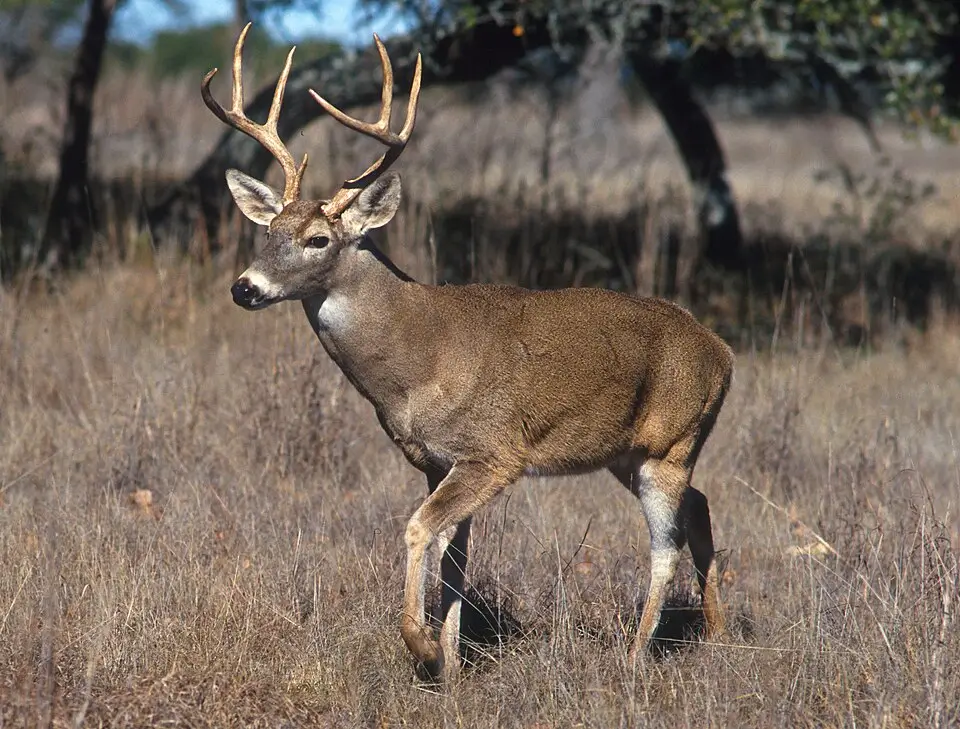
One of the most distinctive features of the white-tailed deer is the namesake tail. When alarmed or fleeing from a perceived threat, deer raise their tail to reveal a bright, flag-like patch of white fur on the underside. This "flagging" behavior is believed to serve as both a warning signal to other deer and a visual cue that may help fawns follow their mother through dense cover.
The coat of a white-tailed deer changes with the seasons. In summer, the coat is a rich, reddish-brown color, which transitions to a thicker, grayer-brown coat in the fall and winter to provide insulation against cold temperatures. Fawns are born with a spotted coat of reddish-brown fur, a natural camouflage adaptation that helps them blend into the dappled light of forest floors during their most vulnerable early weeks of life.
Antlers are among the most recognized features of the species and are grown exclusively by males, known as bucks. Unlike horns, which are permanent, antlers are shed and regrown annually. Antler growth is driven by photoperiod — the changing length of daylight — and is fueled by high levels of testosterone. During the growing phase, antlers are covered in a soft, blood-vessel-rich tissue called velvet. As fall approaches and testosterone levels rise, the velvet dries up and bucks rub it off against trees and shrubs. Antler size and configuration are influenced by genetics, age, and nutrition. A buck's antlers typically become larger and more complex as the animal matures, reaching peak development somewhere between 4.5 and 7.5 years of age in well-nourished populations.
Does — female white-tailed deer — are generally smaller than bucks and do not typically grow antlers, though rare cases of antlered does have been documented. Does are the primary caregivers of fawns and play a critical role in the social structure of white-tailed deer populations. Fawns are typically born in late spring, and does will often give birth to twins when food resources are plentiful.
The white-tailed deer is a ruminant, meaning it has a four-chambered stomach that allows it to digest tough plant material through a process of fermentation. This digestive system gives deer the remarkable ability to consume a wide range of vegetation, from grasses and forbs to woody browse, agricultural crops, acorns, and fruit.
The rut — the annual breeding season — is one of the most dramatic events in the white-tailed deer calendar. During this period, typically occurring in November across much of the northern United States and Michigan, bucks become highly active, ranging widely in search of receptive does. Sparring and sometimes serious fighting between bucks is common as males compete for breeding rights. The rut is a period of intense biological activity, and bucks may lose significant body weight during this time due to reduced feeding and increased movement.
Habitat & Range
The white-tailed deer is among the most adaptable large mammals in the Western Hemisphere. Its range extends from southern Canada through the entire continental United States, into Mexico, Central America, and parts of South America. Within this vast range, the species occupies an extraordinary diversity of habitats, including deciduous and mixed forests, river bottomlands, agricultural areas, grasslands, swamps, and suburban and urban green spaces.
The white-tailed deer is classified as a habitat generalist — a species capable of surviving and thriving in many different environmental conditions. This adaptability is one of the key reasons the deer has been so successful at rebounding from historic population declines and colonizing new areas.
In Michigan, white-tailed deer benefit from a landscape that offers an exceptional blend of cover and food resources. The state's mixed hardwood and conifer forests provide essential bedding and thermal cover, while agricultural fields, forest openings, and edge habitats supply rich feeding opportunities. River corridors and wetland edges are particularly attractive to deer, offering both water sources and diverse vegetation.
Deer in Michigan's Upper Peninsula face more challenging winter conditions than their counterparts in the Lower Peninsula. Deep snow and cold temperatures can stress deer herds significantly, making access to shelter — particularly dense conifer stands known as "deer yards" — critical to winter survival. In the Lower Peninsula, milder conditions and more abundant agricultural food sources support healthy and often dense deer populations.
White-tailed deer are crepuscular by nature, meaning they are most active during the low-light hours of dawn and dusk. However, their behavior can vary significantly based on hunting pressure, weather, and the season. During the rut, bucks may move at all hours of the day, making them more visible and predictable for hunters willing to spend long hours in the field.
Hunting Information
White-tailed deer hunting is a cornerstone of Michigan's outdoor culture and economy. Michigan consistently ranks among the top states in the nation for deer hunter participation, and the annual deer season — particularly the November firearms opener — is a beloved tradition for families across the state.
Hunting seasons in Michigan are managed by the Michigan Department of Natural Resources (DNR), which uses science-based population data to establish season dates, bag limits, and licensing requirements. Hunters in Michigan have access to a variety of hunting methods during different seasons, including archery, firearms, and muzzleloader seasons that collectively span from early October through December and into January in some zones.
Because specific season dates, license fees, and regulations change from year to year and vary by zone, hunters are strongly encouraged to consult the Michigan DNR's official website or the current Michigan Hunting & Trapping Guide for the most up-to-date and accurate information before purchasing licenses or heading afield. Regulations can differ between the Upper Peninsula and Lower Peninsula, and some zones may have specific antler restrictions or antlerless permit requirements.
Public land hunting opportunities in Michigan are abundant. The state's extensive network of state forests, national forests, state game areas, and other public lands provides access for hunters of all experience levels. Private land hunting, often obtained through landowner permission or hunting leases, can also offer excellent opportunities in areas with high deer densities.
For those new to deer hunting in Michigan, hunter education courses are available and required for first-time hunters. These courses cover firearm safety, wildlife identification, hunting ethics, and basic field skills — laying the foundation for a lifetime of safe and enjoyable hunting experiences.
Venison from white-tailed deer is widely regarded as one of the finest wild game meats available. Lean, flavorful, and rich in protein, venison is a healthy and delicious reward for a successful hunt. Many Michigan hunting families have recipes and traditions built around venison that span multiple generations, reinforcing the cultural significance of deer hunting in the state.
Conservation
The story of white-tailed deer conservation in North America is one of the most remarkable wildlife recovery narratives in history. By the late 1800s and early 1900s, white-tailed deer populations had been severely reduced across much of their range due to unregulated market hunting and extensive habitat loss. In some states, deer were nearly or completely extirpated from the landscape.
The establishment of science-based wildlife management systems, including regulated hunting seasons, bag limits, and habitat protection initiatives, allowed deer populations to recover dramatically over the course of the 20th century. Today, white-tailed deer are abundant throughout their range and are considered a conservation success story — a testament to what thoughtful, regulated management can achieve.
Hunting plays a direct and meaningful role in white-tailed deer conservation. License fees and excise taxes on hunting equipment, collected under the Federal Aid in Wildlife Restoration Act (commonly known as the Pittman-Robertson Act), fund wildlife research, habitat restoration, and population management programs. In this way, hunters are among the most significant financial supporters of wildlife conservation in the United States.
Ongoing conservation challenges for white-tailed deer include habitat fragmentation, vehicle collisions, and the spread of Chronic Wasting Disease (CWD) — a fatal neurological illness affecting deer and other cervids. Wildlife managers, researchers, and hunting organizations continue to work collaboratively to monitor and respond to these challenges while maintaining healthy, huntable deer populations for future generations.
In Michigan, the DNR and conservation partners invest significantly in deer habitat improvement, population monitoring, and disease surveillance to ensure the long-term health and sustainability of the state's deer herd. Michigan's deer hunters, farmers, landowners, and conservation groups all play important roles in supporting these efforts.