Overview
Among the many waterfowl species that grace the wetlands, marshes, and coastal estuaries of eastern North America, the American black duck (Anas rubripes) stands out as one of the most recognizable and ecologically significant dabbling ducks on the continent. Known for its rich, dark plumage and its strong affinity for both freshwater and saltwater environments, this species has captivated hunters, birdwatchers, and wildlife biologists alike for generations. In the Great Lakes region — including the vast wetland corridors and inland lakes of Michigan — the American black duck holds a particularly meaningful place in both the natural landscape and the outdoor sporting tradition.
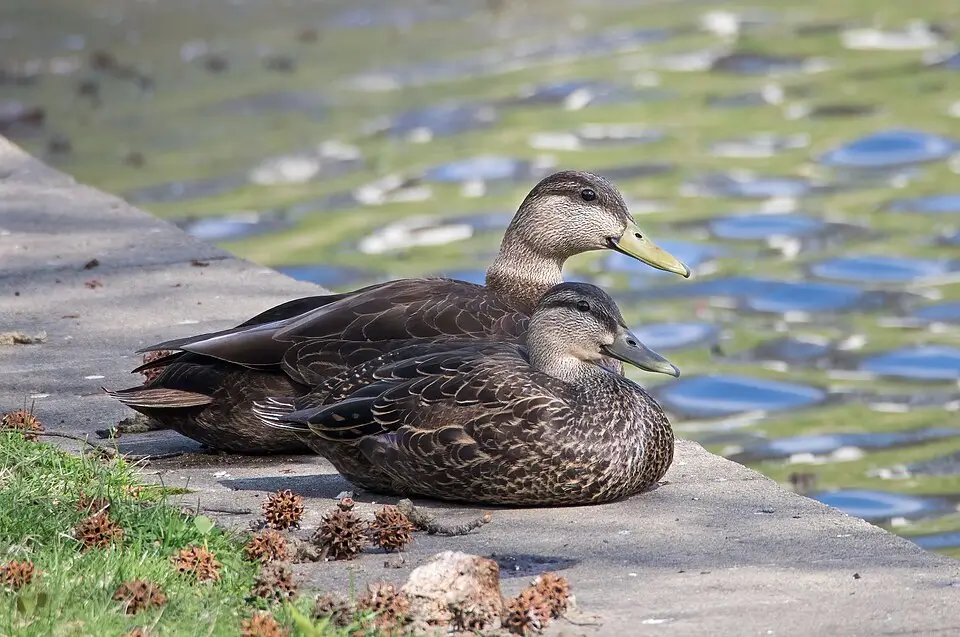
Despite its name, the American black duck is not truly black. Its plumage is a deep, sooty brown that can appear nearly black in low light, giving the bird its evocative common name. Up close, the richly patterned feathers reveal a tapestry of dark brown, buff, and chestnut tones that make this duck one of the most striking members of the family Anatidae. Whether seen winging across a gray November sky over Michigan's Upper Peninsula or dabbling quietly in a Great Lakes coastal marsh, the American black duck commands attention and respect.
This article explores the biological traits, habitat preferences, range, hunting traditions, and conservation status of the American black duck, with a particular focus on its relevance to hunters and outdoor enthusiasts in Michigan and the broader Great Lakes region.
Biological Traits
The American black duck belongs to the order Anseriformes and the family Anatidae, placing it among the ducks, geese, and swans. Within this family, it is classified as a dabbling duck — a group of surface-feeding waterfowl that tip forward to feed in shallow water rather than diving beneath the surface. Its closest relative is the mallard (Anas platyrhynchos), and the two species are so genetically similar that hybridization between them is well-documented and relatively common in areas where their ranges overlap.
Adult American black ducks are medium to large dabbling ducks, broadly comparable in size to the mallard. The body plumage of both males and females is predominantly dark sooty-brown, with each feather edged in buff or chestnut, creating a scalloped appearance. One of the most reliable field identification features is the vivid violet-blue speculum — a patch of iridescent feathers on the trailing edge of the wing — which is bordered by black rather than white, a key distinction from the mallard's white-bordered speculum.
Both sexes share this similar dark body plumage, which is somewhat unusual among dabbling ducks, where sexual dimorphism (differences in appearance between males and females) is typically pronounced. Males, known as drakes, can be distinguished by their yellowish-green bill, while females display an olive-green to orange bill often mottled with dark markings. The legs and feet of both sexes are typically orange to red.
Like all dabbling ducks, the American black duck feeds primarily by tipping forward in shallow water to reach submerged aquatic vegetation, seeds, invertebrates, and small aquatic organisms. This feeding strategy makes wetlands, shallow lake margins, estuaries, and tidal flats essential foraging environments. During the breeding season, insects and invertebrates become a more significant part of the diet, particularly for females that require high-protein food sources while nesting and raising ducklings.
American black ducks are generally monogamous on a seasonal basis, forming pair bonds during the winter months. Nesting typically occurs in spring and early summer, with females selecting concealed nest sites on the ground, often near water. Clutch sizes generally range from six to twelve eggs, and incubation — carried out almost entirely by the female — lasts approximately 26 to 29 days. Ducklings are precocial, meaning they are mobile and capable of feeding themselves shortly after hatching, though they remain with the hen for protection and guidance.
Habitat & Range
The American black duck is predominantly a species of eastern North America, with a breeding range that extends from the boreal forests of Labrador and Quebec in the north, through the Great Lakes states, and south along the Atlantic Coast to the Chesapeake Bay region and beyond. Its wintering range overlaps considerably with its breeding range in the southern portions, particularly along the Atlantic Coast from New England to the Gulf States, and across the interior Great Lakes region.
This species displays a remarkably broad tolerance for different wetland types. Breeding habitat includes wooded swamps, beaver ponds, boreal bogs, freshwater marshes, tidal marshes, and the shrubby edges of lakes and rivers. In coastal areas, American black ducks are closely associated with salt marshes and estuaries, where they can exploit the rich invertebrate and plant resources of these productive ecosystems. Inland, they favor areas with dense emergent vegetation that provides both food and cover.
Michigan, with its extraordinary wealth of aquatic habitats — more than 11,000 inland lakes, thousands of miles of streams and rivers, extensive Great Lakes coastal wetlands, and vast stretches of northern boreal forest — represents prime habitat for the American black duck across multiple seasons. The state's Upper Peninsula in particular, with its expansive wild wetlands, beaver flowages, and remote forest bogs, provides excellent breeding and staging habitat. The Great Lakes shoreline offers important migratory staging areas where black ducks congregate during fall and spring migrations.
During migration, American black ducks move along well-established flyways, with the Atlantic Flyway and the Mississippi Flyway both channeling significant numbers of birds through the eastern United States. Michigan sits at the intersection of both major flyways, making it a critical corridor for migrating black ducks moving between Canadian breeding grounds and southern wintering areas.
Hunting Information
The American black duck has long been prized as a game bird among waterfowl hunters in eastern North America. Its wariness, strong flight, and preference for remote, rugged wetland environments have earned it a reputation as a challenging and rewarding quarry for dedicated duck hunters. In Michigan, the black duck is part of the broader duck hunting tradition that takes advantage of the state's extensive wetlands and Great Lakes coastal habitats.
In Michigan, waterfowl hunting is regulated at both the federal and state level, with the U.S. Fish & Wildlife Service setting annual frameworks for duck season dates and bag limits in coordination with state wildlife agencies. Hunters interested in pursuing American black ducks in Michigan should always consult the current Michigan Department of Natural Resources (DNR) waterfowl hunting regulations, as season dates, bag limits, and any species-specific restrictions can change from year to year based on population assessments and flyway management goals.
Generally speaking, hunting American black ducks requires a valid Michigan hunting license, a state waterfowl license or stamp, and a federal Duck Stamp — the Migratory Bird Hunting and Conservation Stamp issued annually by the U.S. Fish & Wildlife Service. Hunters are encouraged to verify all current requirements directly through the Michigan DNR before heading afield, as regulations are subject to annual revision.
Black ducks are often hunted over decoys in marsh and wetland settings, using calls and concealment techniques similar to those used for mallards. Because the species tends to be wary and alert, hunters who pay careful attention to concealment, realistic decoy spreads, and wind direction are typically the most successful. The species is also frequently encountered incidentally during general duck hunting, as it shares habitat with mallards, teal, and other puddle ducks commonly found in Michigan's wetlands.
Conservation
The American black duck has been a subject of significant conservation attention over the past several decades. Populations declined notably during portions of the twentieth century, a trend attributed to a combination of factors including habitat loss, hunting pressure, and hybridization with the more abundant mallard. Wetland drainage for agriculture and urban development reduced available breeding and wintering habitat across portions of the species' range.
Conservation efforts by federal and state wildlife agencies, along with organizations such as Ducks Unlimited and the North American Wetlands Conservation Act program, have focused on protecting, restoring, and enhancing wetland habitats critical to the species. Regulated hunting seasons, bag limit adjustments, and ongoing population monitoring through the annual Waterfowl Breeding Population and Habitat Survey have all contributed to management strategies aimed at sustaining healthy black duck populations.
In Michigan, the protection of Great Lakes coastal wetlands, inland marsh complexes, and northern forest wetlands directly benefits American black ducks along with a wide array of other wildlife species. The state's robust network of state game areas, wildlife management areas, and national wildlife refuges provides protected habitat where black ducks and other waterfowl can breed, stage, and rest during migration.
The American black duck serves as a valuable indicator species for the health of eastern North American wetland ecosystems. Its continued presence across Michigan's diverse wetland landscapes reflects both the quality of habitat available and the effectiveness of thoughtful, science-based wildlife management.