Overview
Few animals capture the spirit of the wild northern forest quite like the snowshoe hare. Known scientifically as Lepus americanus, this remarkable lagomorph has earned a reputation as one of North America's most adaptable and ecologically significant mammals. From the boreal forests of Canada to the mountain ranges of the American West and the dense woodlands of the Great Lakes region, the snowshoe hare thrives in environments that would challenge less resilient creatures. Its name alone conjures images of silent winter forests, tracks pressed into fresh snow, and the kind of untamed wilderness that hunters and naturalists alike seek out year after year.
The snowshoe hare is not merely a woodland curiosity. It sits at the very heart of northern food webs, serving as a critical prey species for some of North America's most iconic predators. Its population cycles — dramatic rises and falls that occur roughly every decade — have fascinated biologists and ecologists for generations, and they continue to shape the way we understand predator-prey relationships. For hunters, the snowshoe hare represents a challenging and rewarding quarry, one that demands woodsmanship, patience, and a deep appreciation for the natural world.
In states like Michigan, where forests stretch across the Upper and Lower Peninsulas and blend seamlessly with the boreal landscapes of Canada, the snowshoe hare holds a cherished place in the outdoor tradition. Understanding this species — its biology, behavior, habitat needs, and conservation status — is the first step toward a more meaningful encounter with it, whether you're a lifelong hunter, a wildlife photographer, or simply a curious nature enthusiast.
Biological Traits
The snowshoe hare (Lepus americanus) belongs to the family Leporidae, which includes all rabbits and hares. As a true hare, it differs from rabbits in several important ways. Hares are generally larger, and their young — called leverets — are born fully furred with their eyes open, ready to move within hours of birth. Rabbits, by contrast, are born hairless and blind, requiring more parental care. This distinction matters in the field, as it speaks to the snowshoe hare's resilience and its capacity to survive in harsh, exposed environments.
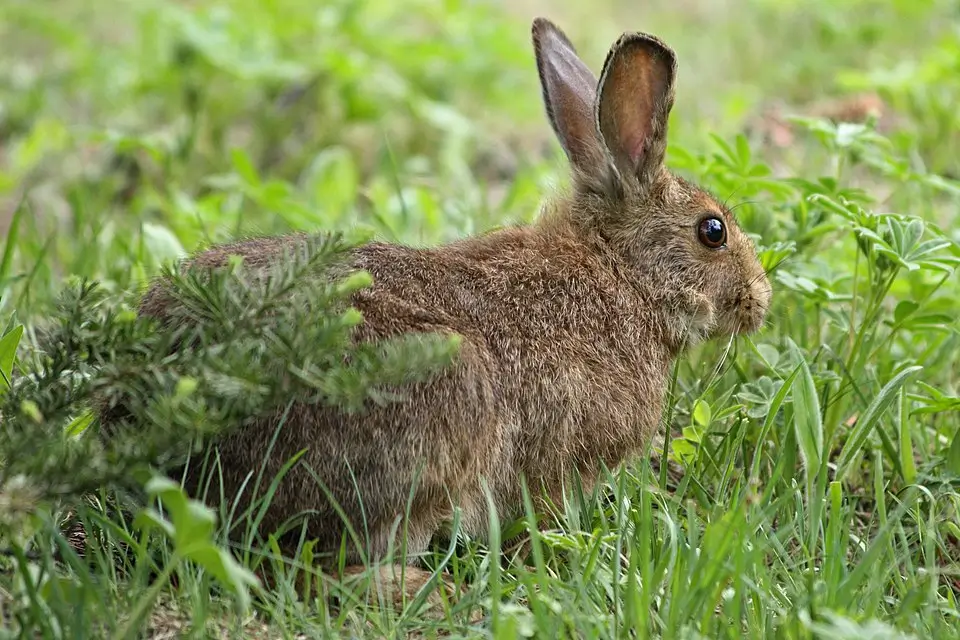
One of the most celebrated features of the snowshoe hare is its seasonal coat change, a phenomenon known as molting. During the warmer months, the hare's fur is a rich, rusty-brown or grayish-brown color that blends seamlessly with the dappled light of the forest floor. As winter approaches and daylight hours shorten, the animal undergoes a dramatic transformation. Triggered by photoperiod — changes in the length of daylight rather than temperature — the snowshoe hare's coat gradually shifts to a brilliant white. This white winter coat provides exceptional camouflage against snowy backgrounds, making the animal extraordinarily difficult to spot for both predators and hunters alike. In spring, the process reverses, and the hare returns to its warm-season coloration.
The species takes its common name from another remarkable adaptation: its large, heavily furred hind feet. These oversized feet function like natural snowshoes, distributing the animal's weight across a broader surface area and allowing it to move efficiently across deep, loose snow. This advantage is crucial in northern winters, where the ability to travel quickly through snow can mean the difference between escaping a predator and becoming a meal. Lynx, one of the snowshoe hare's primary predators, have similarly large feet, and the evolutionary arms race between these two species has shaped both over thousands of years.
Snowshoe hares are primarily crepuscular and nocturnal, meaning they are most active around dawn, dusk, and throughout the night. During daylight hours, they typically rest in forms — shallow depressions in the ground or in vegetation — remaining motionless and relying on their camouflage for protection. Their diet is herbivorous and changes with the seasons. In summer, they feed on grasses, forbs, and leafy plants. In winter, they shift to woody browse, consuming the twigs, bark, and buds of trees and shrubs such as willow, birch, and alder.
Reproduction is another area where snowshoe hares demonstrate impressive biological capability. Females, known as does, can produce multiple litters per year during the breeding season, which generally spans from late winter through late summer. Litter sizes typically range from two to four leverets, though this can vary. The young are precocial — born in an advanced state of development — and disperse relatively quickly. This high reproductive rate allows populations to expand rapidly under favorable conditions, fueling the well-documented population cycles that characterize the species.
These population cycles, often referred to as the "ten-year cycle," are one of the most studied phenomena in wildlife ecology. Snowshoe hare populations tend to peak and then crash on a roughly eight-to-eleven-year cycle, driven by a complex interplay of food availability, predation pressure, and stress responses. The effects of these cycles ripple outward through the entire ecosystem, affecting predator populations, plant communities, and the broader dynamics of northern forests.
Habitat & Range
The snowshoe hare has one of the broadest ranges of any North American lagomorph. Its distribution spans much of the continent's boreal zone, from Alaska and Canada southward through the Rocky Mountains, the Appalachians, and the forests of the Great Lakes region. In the contiguous United States, populations are found in areas where dense forest cover and cold winters create suitable conditions.
The species thrives in areas characterized by dense understory vegetation — thickets of young trees, shrub tangles, and brushy edges that provide both food and cover. Young boreal forests regenerating after disturbance, such as logging, fire, or windthrow, often support particularly high densities of snowshoe hares, as these habitats offer an abundance of low browse and hiding cover.
In Michigan, the snowshoe hare is associated primarily with the Upper Peninsula and the northern portions of the Lower Peninsula. These regions contain extensive areas of mixed boreal and northern hardwood forest, with the kinds of dense, brushy cover and cold-climate conditions the species requires. Wetland edges, alder swales, young conifer stands, and regenerating clear-cuts are among the favored habitat types in Michigan's landscape. The state's geography — shaped by glacial activity and bordered by the Great Lakes — creates a diverse mosaic of habitats that can support healthy hare populations in suitable areas.
Hunting Information
The snowshoe hare is a traditionally important small game species across its range, valued both for the sporting challenge it provides and for its culinary qualities. Hare hunting has a long and storied history in North America, rooted in both subsistence traditions and recreational hunting culture.
Hunting snowshoe hares can be pursued in several ways. One of the most time-honored methods involves the use of beagles or other scent hounds, which track the hare through its habitat and push it in large circles back toward waiting hunters — a style of hunting that rewards teamwork between human and dog. Still-hunting, where a hunter moves slowly and quietly through suitable cover looking for hares, is another effective approach, especially in fresh snow when tracks and trails reveal the animals' locations. Setting up near active trails and feeding areas at dawn or dusk can also produce opportunities.
In Michigan, snowshoe hare hunting takes place in the northern regions of the state, where suitable forest habitat exists. Hunters interested in pursuing snowshoe hares in Michigan should consult the Michigan Department of Natural Resources (DNR) for current season dates, licensing requirements, and any applicable regulations, as these details can change from year to year. As of this writing, specific season dates and license requirements from official state sources were not available in the source data consulted for this article, and prospective hunters are strongly encouraged to verify current rules directly with the Michigan DNR before heading afield.
What is consistent across most jurisdictions is that snowshoe hare hunting tends to be most productive in early to mid-winter, when snow cover is present and the hares have shifted to their white coats — a period when tracks and sign are easy to read but the animals themselves are well-camouflaged. Patience, knowledge of the habitat, and an understanding of hare behavior are the most valuable tools any hunter can bring to the woods.
Snowshoe hare is also a genuinely rewarding table fare. The lean, mild meat adapts well to a wide variety of preparations, from simple pan-frying to slow braises and stews, and has been a staple of the northern wilderness diet for centuries.
Conservation
The snowshoe hare is currently classified as a species of Least Concern by the International Union for Conservation of Nature (IUCN), reflecting its wide distribution and generally stable populations across much of its range. However, like all wildlife species, the snowshoe hare faces a variety of challenges in a changing world.
Habitat loss and forest fragmentation are among the primary concerns for snowshoe hare populations at the southern edges of their range. As forests are cleared or converted to other land uses, the brushy, dense habitats that hares depend on can become scarce. Climate change presents an additional and increasingly recognized threat. Research has shown that earlier snowmelt and shorter winters can create mismatches between the timing of the hare's coat color change — which is tied to photoperiod, not actual snow conditions — and actual snow cover. During these mismatches, white hares against dark, snow-free ground are far more visible to predators, potentially increasing mortality rates.
In Michigan and across the Great Lakes region, sound forest management practices that maintain and create early successional habitat can benefit snowshoe hare populations. Conservation-minded hunting, practiced within sustainable harvest levels, has historically played a role in supporting the funding and attention that benefits wildlife management programs across the country.
For hunters, naturalists, and wildlife enthusiasts, the snowshoe hare represents both a tangible connection to the wild landscape and a compelling reminder of the intricate ecological relationships that sustain northern forests. Protecting the habitats this species depends on is an investment in the broader health and biodiversity of some of North America's most treasured wild places.