Overview
Few wild mammals in North America are as instantly recognizable as the raccoon. With its distinctive black "bandit" mask, ringed tail, and remarkable dexterity, the raccoon (Procyon lotor) has earned a place in folklore, fur trade history, and the everyday experiences of rural and suburban dwellers alike. In Michigan, raccoons are a familiar sight from the dense hardwood forests of the Upper Peninsula to the wooded edges of suburban Detroit, where they thrive in nearly every ecosystem the state has to offer.
For hunters, trappers, photographers, and nature observers, the raccoon represents one of the most adaptable and intelligent furbearers in the Great Lakes region. This article provides an in-depth look at the species, drawing from general biological knowledge and offering context for outdoor enthusiasts pursuing raccoons in Michigan.
Biological Traits
The raccoon, scientifically classified as Procyon lotor, belongs to the family Procyonidae, a group of small to medium-sized mammals primarily native to the Americas. The species name "lotor" is derived from Latin and roughly translates to "washer," a reference to the raccoon's well-known habit of manipulating food items in water, an action that has fascinated observers for centuries.
Physical Characteristics
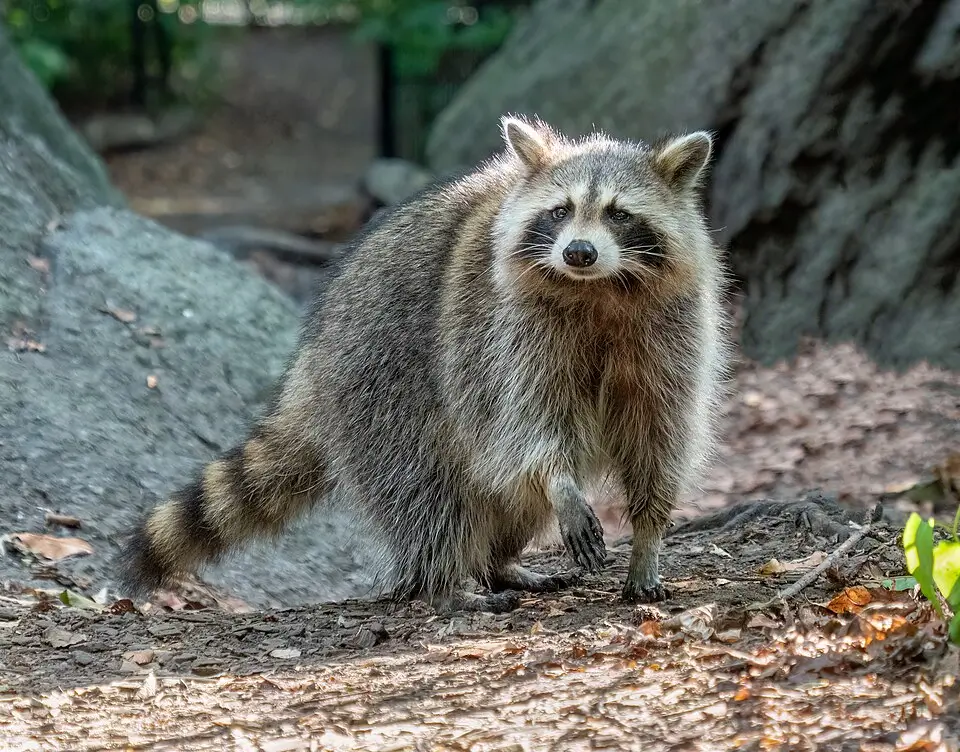
Adult raccoons typically display a stocky build with a dense, grayish-brown coat that provides excellent insulation against the harsh Michigan winters. The most identifying features include:
- Facial mask: A band of black fur extending across the eyes, framed by white fur. This mask is thought to reduce glare and aid the animal during nocturnal foraging.
- Ringed tail: Alternating bands of black and grayish-brown fur, usually with five to seven rings, ending in a dark tip.
- Dexterous front paws: Raccoons possess highly sensitive forepaws with five long, nimble digits. These paws are so sensitive that some researchers compare their tactile capabilities to those of primates.
- Plantigrade gait: Like bears and humans, raccoons walk on the soles of their feet, which gives them a characteristic shuffling movement.
Body size varies considerably across the species' range. Raccoons in northern climates, including Michigan, tend to be larger than their southern counterparts—a manifestation of Bergmann's rule, which predicts larger body sizes in colder regions to help retain body heat.
Intelligence and Behavior
Raccoons are widely regarded as one of the most intelligent small mammals in North America. They demonstrate impressive problem-solving abilities, can remember solutions to tasks for years, and have been observed manipulating complex objects—often to the chagrin of homeowners with secured garbage bins. Their intelligence, combined with their adaptability, has allowed them to thrive even as natural landscapes have changed dramatically.
Raccoons are primarily nocturnal, though they may occasionally venture out during daylight hours, particularly in fall when they are building up fat reserves. They are not true hibernators, but in cold climates like Michigan's, they enter periods of extended sleep called torpor during the harshest winter weather, often denning in hollow trees, abandoned burrows, or sheltered structures.
Diet
As omnivores, raccoons consume an extraordinarily diverse diet. They readily eat fruits, nuts, berries, insects, crayfish, frogs, fish, bird eggs, small mammals, and—in human-influenced environments—virtually anything they can scavenge. This dietary flexibility is one of the key reasons raccoons have expanded their range and population even as some other native mammals have declined.
Reproduction
Raccoons typically breed in late winter, with females giving birth to litters of two to five kits in spring. The young are born blind and helpless, remaining with the mother for several months as they learn essential survival skills. Family groups often stay together through the kits' first winter before the young disperse to establish their own territories.
Habitat & Range
The raccoon's native range covers most of North America, from southern Canada through Central America. They have also been introduced to parts of Europe and Asia, where they have established self-sustaining populations.
Preferred Habitats
Raccoons are remarkably habitat-flexible, but they show a strong preference for areas with:
- Mature trees: Hollow trees provide essential denning sites for resting and raising young.
- Water sources: Streams, rivers, ponds, and wetlands offer rich foraging opportunities for crayfish, frogs, and aquatic insects.
- Edge habitats: Transitions between forest and field, or forest and water, provide abundant food and cover.
Raccoons in Michigan
Michigan provides exceptional habitat for raccoons. The state's mixed hardwood forests, abundant inland lakes, extensive river systems, and agricultural landscapes create ideal conditions for the species. From the cedar swamps of the Upper Peninsula to the oak-hickory forests of the southern Lower Peninsula, raccoons are present in virtually every county.
Suburban and urban areas have also become raccoon strongholds. Michigan cities such as Grand Rapids, Lansing, Ann Arbor, and the Detroit metropolitan area all host substantial raccoon populations that have adapted to human-modified landscapes—using storm drains, attics, chimneys, and culverts as substitute den sites.
Hunting Information
Raccoon hunting has a long and storied tradition in the United States, particularly in the Midwest and South. In Michigan, raccoon hunting and trapping remain popular pursuits, drawing dedicated houndsmen, fur trappers, and small-game hunters each year.
Hunting Methods
Common methods for pursuing raccoons in Michigan include:
- Hound hunting: Perhaps the most traditional method, hunters use specially trained scent hounds—such as Black and Tan Coonhounds, Bluetick Coonhounds, Redbones, and Walkers—to trail raccoons and tree them. Hunters then approach on foot to harvest the treed animal.
- Trapping: Foothold traps, body-grip traps, and cage traps are all used by Michigan trappers, often during the fall and winter fur seasons when pelts are at their prime.
- Predator calling: Some hunters use distress calls to lure raccoons into range during low-light hours.
Regulations and Licensing
Hunters and trappers pursuing raccoons in Michigan should always consult the Michigan Department of Natural Resources (DNR) for the most current regulations, season dates, bag limits, and licensing requirements. Regulations may vary by zone, by method (hunting vs. trapping), and by time of year. It is the responsibility of every hunter and trapper to verify regulations before heading afield.
The DNR publishes annual hunting and trapping digests that detail all furbearer regulations, including those for raccoons. Because specific season dates and rules are subject to change, no specific dates are listed here.
Ethics and Best Practices
Successful, ethical raccoon hunting in Michigan involves:
- Securing landowner permission when hunting on private property.
- Being courteous to neighbors, especially during nighttime hunts with hounds.
- Properly identifying targets and being aware of non-target species.
- Making clean, humane harvests.
- Utilizing the fur, meat, or both when possible to honor the animal.
Conservation
Despite extensive human modification of landscapes across North America, the raccoon remains one of the most abundant and stable mid-sized mammals on the continent. The International Union for Conservation of Nature (IUCN) lists Procyon lotor as a species of Least Concern, reflecting its broad range and robust population.
Population Health in Michigan
Raccoon populations in Michigan are healthy and, in many areas, abundant. Regulated hunting and trapping play important roles in managing populations, particularly in areas where high raccoon densities can lead to increased predation on ground-nesting birds, conflicts with property owners, or elevated disease transmission risk.
Disease Considerations
Like many wild mammals, raccoons can carry diseases of concern, including rabies and canine distemper. They are also definitive hosts for Baylisascaris procyonis, the raccoon roundworm. Hunters and trappers should wear gloves when handling harvested raccoons, properly dispose of waste, and consult wildlife health authorities if they encounter sick-acting animals. The Michigan DNR monitors wildlife disease as part of its broader management program.
Coexistence
For non-hunters and those simply sharing the landscape with raccoons, coexistence strategies include securing garbage cans, capping chimneys, sealing potential den entry points in buildings, and avoiding feeding raccoons either intentionally or accidentally through unsecured pet food. Healthy boundaries between people and raccoons benefit both species.
Conclusion
The raccoon is a true icon of North American wildlife—intelligent, adaptable, and beautifully marked. In Michigan, the species plays an important ecological role, supports a vibrant hunting and trapping tradition, and continues to fascinate naturalists and outdoor enthusiasts alike. Whether you pursue raccoons with hounds on a crisp autumn night, set traps along a familiar creek bottom, or simply enjoy spotting their ringed tails along the edge of a Michigan woodlot, the raccoon offers a rewarding connection to the natural world.
As always, responsible enjoyment of any wildlife resource depends on staying informed, following current regulations, and respecting both the animals and the landscapes they call home.