Overview
Few animals have shaped the landscapes of North America as profoundly as the North American beaver (Castor canadensis). This large, semi-aquatic rodent is widely regarded as a "keystone species" — an animal whose presence and activities dramatically influence the structure and function of the ecosystems in which it lives. From the boreal forests of Canada to the streams and rivers of the lower United States, beavers have built dams, lodges, and canals that transform flowing water into rich, biodiverse wetlands.
In Michigan, a state defined by its abundance of freshwater — bordered by four of the five Great Lakes and threaded with rivers, streams, and inland lakes — the beaver occupies an especially significant ecological and cultural role. The fur trade that helped open the Great Lakes region to European exploration during the 17th and 18th centuries was driven, in large part, by demand for beaver pelts. Today, the beaver remains an iconic symbol of North American wilderness and a familiar resident of Michigan's waterways.
This article explores the biology, behavior, habitat, and management of the North American beaver, with a particular focus on its presence in Michigan. Whether you are a hunter, trapper, wildlife enthusiast, or simply curious about the natural world, understanding the beaver offers insight into one of the continent's most remarkable mammals.
Biological Traits
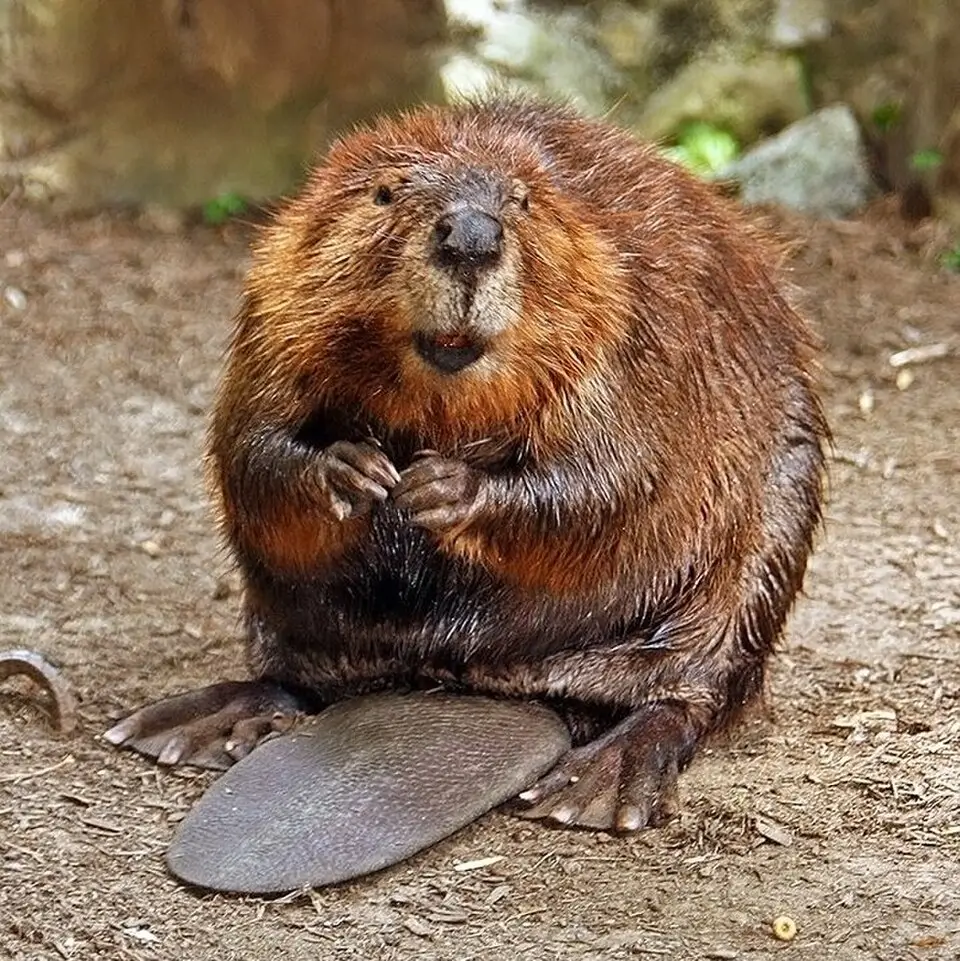
The North American beaver is the largest rodent in North America and the second-largest rodent in the world, surpassed only by the South American capybara. Adults typically weigh between 35 and 65 pounds, though especially large individuals can exceed 70 pounds. They commonly measure three to four feet in length, including their distinctive flat, scaly tail.
The beaver's body is superbly adapted for life in and around the water. Its dense, waterproof fur consists of two layers: a soft, insulating underfur and longer, coarse guard hairs that shed water. This luxurious pelt is what made the species a prized target of the historic fur trade. Beavers groom themselves frequently, spreading an oily secretion called castoreum — produced by glands near the base of the tail — through their fur to maintain its water-repellent qualities.
Several other adaptations equip the beaver for an aquatic lifestyle. Webbed hind feet propel the animal through water, while smaller, dexterous forefeet are used for manipulating sticks, mud, and food. The famous paddle-shaped tail serves multiple functions: it acts as a rudder while swimming, a prop while the animal stands on land, a fat-storage reservoir for the winter, and a warning device when slapped against the water's surface to alert other beavers to danger.
Beavers possess a set of large, chisel-like incisor teeth that grow continuously throughout life. The front surface of these incisors is coated in iron-rich enamel, giving them a characteristic orange color and exceptional hardness. This dental equipment allows beavers to fell trees several inches — even feet — in diameter. Their lips can close behind the incisors, enabling them to gnaw and carry branches underwater without swallowing water. Transparent nictitating membranes protect their eyes while submerged, and valves seal their nostrils and ears during dives.
Beavers are predominantly herbivorous. Their diet includes the inner bark (cambium) of trees such as aspen, willow, birch, maple, and cottonwood, as well as a wide variety of aquatic plants, leaves, roots, and herbaceous vegetation during warmer months. In autumn, beavers cache branches underwater near their lodges, creating a winter food supply they can access even when the surface freezes over.
Socially, beavers are monogamous and live in family groups called colonies. A typical colony consists of an adult breeding pair, the current year's kits, and yearlings from the previous litter. Young beavers usually disperse to establish their own territories at around two years of age. Kits are born well-developed, fully furred, and able to swim within days of birth.
Habitat & Range
The North American beaver has one of the broadest distributions of any mammal on the continent. Its range extends from the northern reaches of Alaska and Canada southward through nearly all of the contiguous United States and into northern Mexico. The species is absent only from extreme deserts, the tundra, and parts of peninsular Florida.
Beavers inhabit virtually any freshwater system that provides sufficient woody vegetation and water depth: streams, rivers, lakes, ponds, marshes, and even man-made reservoirs and drainage ditches. Where water is too shallow or seasonal, they engineer it to suit their needs by constructing dams. These dams, built from sticks, logs, mud, and stones, impound water to create deeper pools that protect the entrance to their lodges and give them access to food in winter.
The lodge itself is a marvel of natural construction. Built from interwoven branches plastered with mud, the lodge features one or more underwater entrances and an internal chamber above the water line where the family rests, grooms, and raises young. In some habitats — particularly along larger rivers or lakes with stable water levels — beavers forgo lodges and instead excavate dens into the banks.
Michigan provides outstanding beaver habitat. The state's abundance of forested wetlands, slow-moving streams, beaver-friendly tree species such as aspen and willow, and countless small lakes and ponds creates ideal conditions. Beaver activity can be found throughout the Upper Peninsula and across the Lower Peninsula, including in northern forested regions and many southern watersheds. Their dams help recharge groundwater, reduce downstream flooding, trap sediments, and create habitat for fish, amphibians, waterfowl, songbirds, and countless invertebrates.
The ecological role of the beaver as an ecosystem engineer cannot be overstated. Beaver ponds and the wet meadows that form after dams are abandoned are among the most biologically productive habitats in temperate North America. Many species, from brook trout to wood ducks to moose, benefit directly or indirectly from beaver-created wetlands.
Hunting Information
The North American beaver has been pursued by humans for thousands of years, first by Indigenous peoples who used its meat, fur, and castoreum, and later by European trappers whose enterprise helped define the early economic history of the Great Lakes region. Today, beavers are managed as a furbearer species across much of their range, including in Michigan.
Specific season dates, license requirements, bag limits, and zone-by-zone regulations for beaver in Michigan are set by the Michigan Department of Natural Resources (DNR) and can change from year to year. The source data for this article did not include current Michigan-specific season information, so hunters and trappers are strongly encouraged to consult the most recent edition of the Michigan DNR's Fur Harvester Digest, available through the DNR website, before heading afield. That publication provides authoritative, up-to-date details on legal methods, license types, season dates, and reporting requirements.
In general terms, beavers in Michigan are most often harvested by trappers using a variety of legal trap types set near lodges, dams, slides, and active feed beds. Pelts are typically taken in late fall and winter when fur quality is at its peak. Beaver meat is also edible and was historically prized as a winter food source; the tail, in particular, has long been considered a delicacy by some traditional trappers.
Successful beaver harvesting requires patience and an eye for sign. Fresh cuttings on trees, mud-and-stick dams, slick mud slides into the water, scent mounds along the bank, and well-maintained lodges all indicate active colonies. Trappers who take the time to read the landscape and understand beaver behavior tend to be the most consistently successful.
Ethical harvest practices — including using appropriately sized and well-maintained equipment, checking traps frequently as required by law, and respecting property boundaries and posted lands — are essential to the long-term tradition of beaver trapping.
Conservation
The conservation story of the North American beaver is one of dramatic decline followed by remarkable recovery. By the late 1800s, after roughly three centuries of intensive trapping driven by the European fur trade, beaver populations had been reduced to a small fraction of their original numbers, and the species was extirpated from many parts of its historic range.
Throughout the 20th century, a combination of regulated trapping seasons, habitat protection, reintroduction efforts, and the natural resilience of the species allowed beaver populations to rebound. Today, the North American beaver is considered abundant and secure across most of its range, and it is classified as a species of Least Concern by the International Union for Conservation of Nature (IUCN).
In Michigan, beavers are common and widespread. Wildlife managers balance population health with the occasional conflicts that arise when beaver dams flood roads, agricultural fields, or timber stands. Regulated trapping is one important tool in this management framework, alongside non-lethal techniques such as pond levelers and culvert protection devices.
Looking forward, beavers are increasingly recognized for their value in climate resilience and watershed restoration. Their dams store water during dry periods, reduce the intensity of flood pulses, support cold-water fisheries, and create habitat for pollinators and waterfowl. In many regions, conservation biologists are actively encouraging beaver activity as a low-cost, natural solution to landscape-scale water management challenges.
For Michigan residents and visitors, the beaver remains a living link to the state's deep natural heritage — a hardworking, family-oriented animal whose quiet labor shapes the rivers, wetlands, and forests we all enjoy.