Overview
The muskrat (Ondatra zibethicus) is one of North America's most recognizable and ecologically important semi-aquatic mammals. Found in marshes, ponds, rivers, and lake edges across much of the continent, this medium-sized rodent has long held a place in the natural and cultural landscape of states like Michigan. With its dense, water-resistant fur, paddle-like tail, and remarkable ability to thrive in wetland environments, the muskrat is a species that has fascinated naturalists, trappers, hunters, and outdoor enthusiasts for generations.
In Michigan — a state defined by its vast freshwater resources, including portions of four of the five Great Lakes and tens of thousands of inland lakes, rivers, and wetlands — the muskrat is more than just wildlife. It is an integral part of the wetland ecosystem and a longstanding traditional quarry for trappers and small-game hunters. This article explores the muskrat's biology, habitat, role in hunting heritage, and ongoing conservation status, with a particular focus on its place in Michigan's diverse outdoor landscape.
Biological Traits
The muskrat belongs to the family Cricetidae, the same family that includes voles, lemmings, and New World rats and mice. Despite its rat-like appearance and name, the muskrat is not a true rat. It is the largest member of its subfamily, Arvicolinae, and is the sole species in the genus Ondatra.
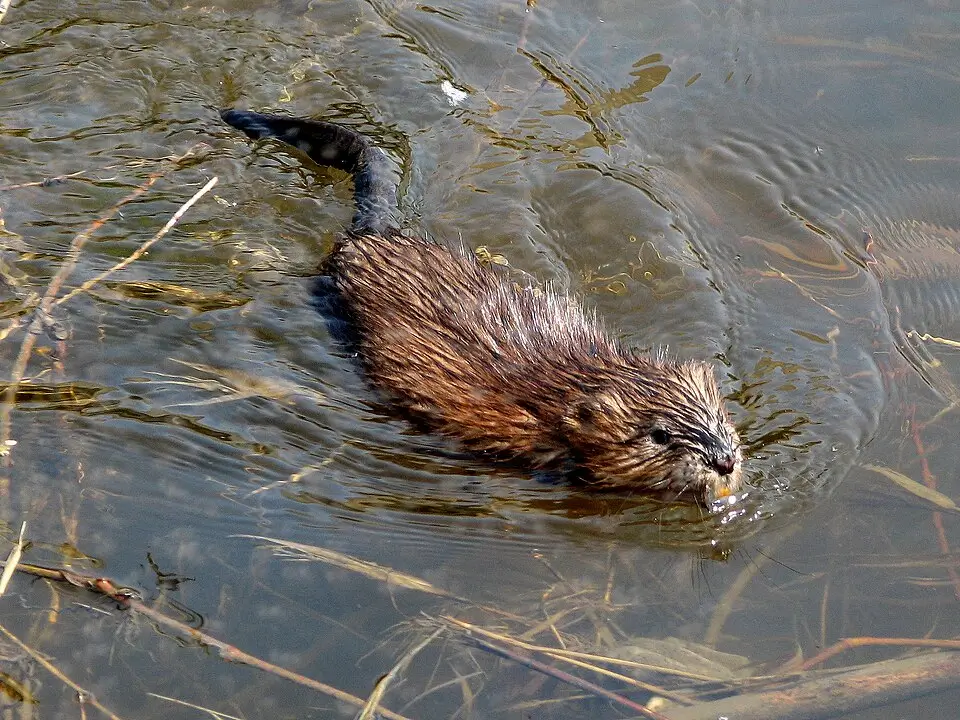
Adult muskrats typically measure between 16 and 25 inches in total length, with a tail that can account for nearly half of that measurement. They generally weigh between 1.5 and 4 pounds, making them substantially smaller than beavers — a species with which they are often confused due to overlapping habitat. The muskrat's tail is one of its most distinguishing features: long, narrow, scaly, and vertically flattened. This unique tail shape acts like a rudder, helping the animal steer efficiently while swimming.
Their fur is another hallmark trait. Muskrats sport a dense, glossy outer coat of long guard hairs that range in color from rich brown to nearly black, underlain by a thick, soft layer of insulating underfur. This double-layered pelage is highly water-resistant, allowing them to spend extended periods submerged or in cold water without losing body heat. Historically, this same fur quality made the muskrat a prized species in the North American fur trade.
Muskrats are well-adapted for aquatic life. Their hind feet are partially webbed, and they possess specialized lip flaps that close behind their incisors, allowing them to gnaw on submerged vegetation without taking in water. They can hold their breath for impressive durations — generally up to 15 to 17 minutes — and can remain active even beneath ice during the winter months.
The name "muskrat" comes from the strong, musky odor produced by glands near the base of the tail. These secretions are used to mark territory and communicate with other muskrats, particularly during the breeding season.
Muskrats are prolific breeders. Females can produce multiple litters per year, with each litter typically containing several young (called kits). This reproductive capacity helps explain why muskrat populations can rebound quickly from environmental pressures or harvest, provided that habitat remains intact.
Habitat & Range
The muskrat's native range extends across most of North America, from the boreal regions of Canada and Alaska down through the contiguous United States and into northern Mexico. It is absent from parts of Florida, the arid Southwest, and certain coastal areas, but is otherwise one of the most widely distributed semi-aquatic mammals on the continent.
Michigan provides an exceptionally rich environment for muskrats. With more than 11,000 inland lakes, an estimated 6.5 million acres of wetlands, and thousands of miles of rivers and streams, the state offers an enormous patchwork of suitable habitat. From the cattail marshes of the Saginaw Bay area and the coastal wetlands of Lake St. Clair to the bogs and beaver ponds of the Upper Peninsula, muskrats find ideal living conditions throughout the state.
Preferred muskrat habitat shares several key characteristics:
- Slow-moving or still water: Ponds, marshes, and the calm edges of rivers and lakes are favored over fast-flowing streams.
- Emergent vegetation: Cattails, bulrushes, sedges, and arrowheads provide both food and building material for shelters.
- Stable water levels: Sudden drought or flooding can disrupt muskrat populations significantly.
Muskrats construct two main types of shelters depending on the habitat. In marshes with abundant vegetation, they build dome-shaped "push-ups" or lodges out of plant material, often rising a foot or two above the water's surface. These lodges contain interior chambers above the waterline accessible only through underwater entrances. In areas with steeper banks — such as along rivers and reservoirs — muskrats may instead excavate burrows into the bank with submerged entryways.
Their diet consists primarily of aquatic vegetation, with cattails being a particular favorite. They will also consume sedges, water lilies, pondweeds, and roots. Occasionally, muskrats supplement their plant-based diet with small animal matter, such as freshwater mussels, snails, crayfish, frogs, and small fish — especially when plant foods are scarce.
Hunting Information
In Michigan, the muskrat has a long and storied place in the traditions of trapping and small-game pursuit. The species was historically — and remains today — one of the most commonly harvested furbearers in the state. For generations, Michigan trappers have worked the cattail marshes and frozen ponds of winter in pursuit of muskrats, both for their pelts and, in some communities, for their meat.
Muskrat hunting and trapping in Michigan is regulated by the Michigan Department of Natural Resources (DNR). Because regulations, season dates, license requirements, bag limits, and methods of take can change from year to year, anyone interested in pursuing muskrats should consult the most current Michigan DNR Fur Harvester Digest or the official DNR website before heading afield. Specific season dates and licensing details were not included in the source material for this article, so hunters and trappers are strongly encouraged to verify current rules directly with the state.
Generally speaking, muskrat harvest in northern states like Michigan takes place during the colder months, when pelts are at their prime quality. Common methods include foothold and body-gripping traps set near lodges, runways, or feeding platforms, as well as colony traps in some legal settings. Firearm hunting of muskrats also occurs, often opportunistically while pursuing other wetland game.
Successful muskrat pursuit requires good knowledge of wetland ecology — the ability to identify signs such as feeding platforms, slides, push-ups, and bank burrow entrances. Many Michigan trappers regard muskrat trapping as a valuable way to introduce young people to outdoor traditions, given the species' abundance, predictable habits, and the manageable scale of equipment involved.
Beyond recreation and fur, the muskrat also has a unique culinary tradition in parts of southeast Michigan, particularly in the Detroit-area communities along the Detroit River and Lake St. Clair, where muskrat dinners have been a long-standing custom dating back to early French settlement.
Conservation
The muskrat is currently listed as a species of Least Concern on the IUCN Red List, reflecting its broad distribution and overall population stability across North America. In Michigan, muskrats remain widespread, although localized populations can fluctuate in response to wetland conditions, water levels, predation pressure, and disease.
The most significant long-term conservation concern for muskrats is habitat loss. Wetland drainage, shoreline development, and the alteration of natural water cycles all reduce the quality and quantity of habitat available. Conversely, wetland restoration efforts — including those carried out through state, federal, and non-profit partnerships in Michigan — benefit muskrats and the diverse wildlife communities they support.
Muskrats themselves play a key ecological role in maintaining healthy wetlands. Their feeding activities help create open water patches within dense stands of emergent vegetation, increasing habitat diversity for waterfowl, amphibians, fish, and invertebrates. Their abandoned lodges and bank burrows also provide shelter for other species, from snakes and turtles to nesting geese.
Predators of the muskrat include mink, raccoons, great horned owls, large hawks, foxes, coyotes, and snapping turtles. This wide array of natural predators underscores the muskrat's central place in the wetland food web.
Regulated, science-based trapping is widely recognized by wildlife management agencies, including the Michigan DNR, as a sustainable use of furbearer populations. Trapping helps fund conservation through license sales and provides valuable data on population trends, while having no detrimental long-term effect on overall muskrat abundance when conducted within established regulations.
For Michigan's outdoor community, the muskrat represents both a living link to the state's rich fur-trade heritage and a continuing symbol of the wetlands that define so much of the state's natural identity. Whether observed gliding silently across a quiet pond at dusk or pursued by a dedicated trapper on a frozen marsh in winter, the muskrat remains an enduring icon of North American wildlife.