Overview
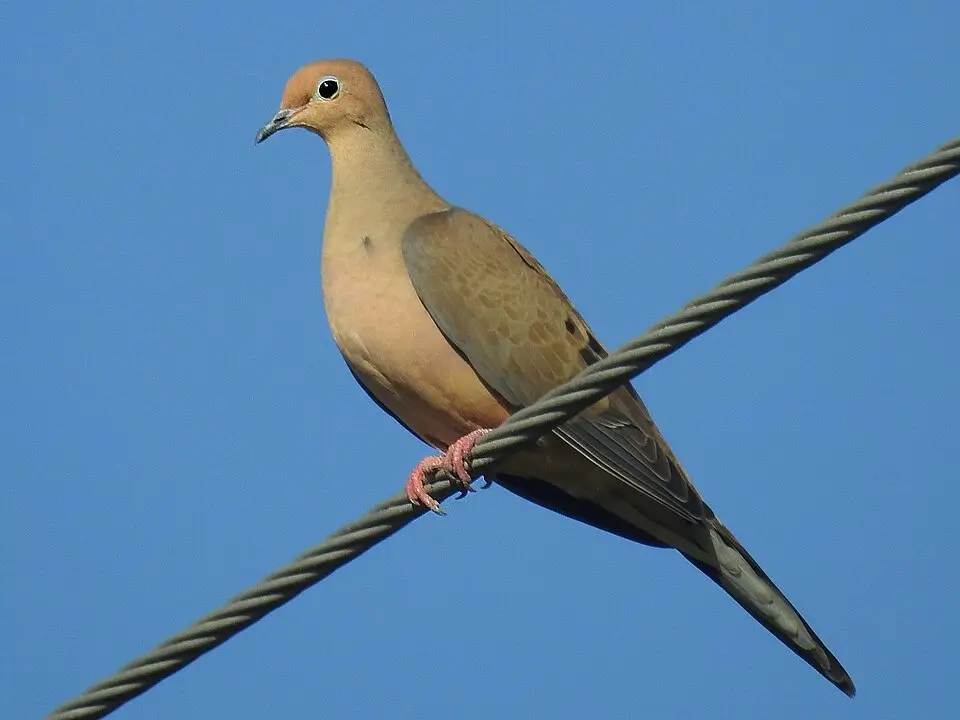
Few birds evoke the quiet beauty of an early morning in the American countryside quite like the mourning dove. With its gentle, haunting cooing call drifting through the misty air at dawn, the mourning dove (Zenaida macroura) is one of the most recognizable and beloved birds across North America. Whether perched on a telephone wire along a rural Michigan road or foraging in a sun-drenched field, this graceful bird has woven itself into the fabric of outdoor life for generations of nature lovers, birdwatchers, and hunters alike.
The mourning dove holds a unique place in American wildlife culture. It is simultaneously one of the most abundant wild birds on the continent and one of the most widely hunted game birds in the United States. Its soft, mournful call — from which it takes its common name — has inspired poets and painters, while its swift, agile flight has challenged wing shooters for centuries. Understanding this bird in full means appreciating it from every angle: its biology, its habits, its range, its role in the ecosystem, and its place in hunting tradition.
For residents of Michigan and the broader Great Lakes region, the mourning dove is a familiar and cherished presence throughout much of the year. From the forests and farmlands of the Lower Peninsula to the open meadows and suburban yards of the Upper Peninsula, this resilient little dove thrives in a remarkable variety of environments, making it an important part of Michigan's rich wildlife heritage.
Biological Traits
The mourning dove is a medium-sized bird belonging to the family Columbidae, the family that includes all pigeons and doves. Its scientific name, Zenaida macroura, pays tribute to Princess Zénaïde Bonaparte, wife of the noted ornithologist Charles Lucien Bonaparte, while macroura derives from the Greek words for "long-tailed," a reference to one of the bird's most distinguishing physical features.
In terms of appearance, the mourning dove is slender and elegantly proportioned. Adults typically display a soft, buffy-tan plumage with subtle iridescent patches near the neck. The wings are marked with distinctive black spots, and the long, pointed tail — a hallmark of the species — features white-tipped outer feathers that flash conspicuously in flight. The bird's small, round head sits atop a slender neck, and its eyes are ringed with a patch of pale blue-gray skin, giving it a gentle, almost melancholy expression that suits its name.
One of the most distinctive features of the mourning dove is the sound it produces when taking flight. The beating of its wings creates a sharp, whistling sound that many observers initially mistake for a vocalization. This is actually a mechanical noise produced by air passing through the flight feathers — a trait that may serve as an alarm signal to other birds in the vicinity.
The mourning dove's voice is equally distinctive. Its call is a soft, slow series of cooing notes, often rendered as "oah, cooo, cooo, coo," which carries remarkably well across open landscapes. The call is frequently heard before dawn and in the early morning hours, and it is this melancholy sound that has given the bird its evocative common name.
Mourning doves are monogamous during the breeding season and form strong pair bonds. Both parents participate in nest building, incubation, and the care of young. Nests are relatively simple constructions — loose platforms of twigs, pine needles, and grasses placed in trees, shrubs, or occasionally on the ground. The female typically lays two white eggs per clutch, and pairs may raise multiple broods in a single season, sometimes as many as five or six in warmer climates. This high reproductive rate is a key factor in the species' remarkable abundance.
Young mourning doves, known as squabs, are fed "crop milk" — a protein-rich secretion produced in the crops of both parents. This nutritious substance sustains the rapidly growing chicks during their first days of life before they transition to a seed-based diet. The diet of adult mourning doves consists almost entirely of seeds, making them highly dependent on agricultural landscapes and open areas where seeds are abundant and accessible.
Habitat & Range
The mourning dove is one of the most widely distributed birds in North America. Its range extends from southern Canada through the entire contiguous United States, south through Mexico, Central America, and into portions of the Caribbean. It is a highly adaptable species, capable of thriving in a broad spectrum of environments including open woodlands, forest edges, grasslands, agricultural fields, suburban parks and gardens, and desert scrublands.
In Michigan, mourning doves are a common sight across both the Upper and Lower Peninsulas, though they are perhaps most abundant in the agricultural areas of the Lower Peninsula, where open fields, hedgerows, and farmsteads provide ideal feeding and nesting habitat. Michigan's diverse landscape — encompassing dense northern forests, rolling farmland, wetlands, and extensive Great Lakes shoreline — supports healthy mourning dove populations throughout much of the year.
Mourning doves are considered partially migratory. Northern populations, including those in Michigan, generally migrate south in the autumn as temperatures drop and food sources become scarce. However, some individuals may remain through mild winters, particularly in areas where supplemental food sources such as bird feeders are available. In spring, returning doves are among the first migratory birds to arrive, and their cooing is considered a reliable harbinger of warmer weather.
The species shows a strong affinity for edge habitats — areas where different vegetation types meet, such as the boundary between a crop field and a woodlot. These transitional zones provide the combination of open ground for foraging and nearby trees or shrubs for nesting and roosting that mourning doves prefer. Agricultural landscapes are especially important, as harvested grain fields provide abundant seed supplies during the late summer and fall periods that coincide with the hunting season.
Hunting Information
The mourning dove is arguably the most popular game bird in the United States, with millions of hunters taking to the field each season from coast to coast. Its fast, erratic flight makes it a challenging and rewarding target for wing shooters, and its abundance makes it accessible to hunters across a wide range of experience levels. Dove hunting also carries a strong social tradition, with hunters often gathering in groups at field edges and agricultural areas where birds are known to congregate.
Michigan has a long history of mourning dove hunting, and the sport remains a cherished tradition for many of the state's outdoor enthusiasts. However, hunting regulations — including season dates, bag limits, and licensing requirements — are subject to change from year to year and are determined by the Michigan Department of Natural Resources (DNR) in coordination with federal wildlife management guidelines under the Migratory Bird Treaty Act. Because mourning doves are classified as migratory birds, they fall under federal jurisdiction, and hunters must comply with both state and federal regulations.
Important Notice: The source data used for this article does not include specific season dates, bag limits, or current licensing requirements for mourning dove hunting in Michigan. Hunters are strongly encouraged to consult the Michigan DNR's official website or the current Michigan Hunting and Trapping Guide for the most up-to-date and accurate regulatory information before heading afield. Regulations can change annually, and compliance is both a legal obligation and a sign of respect for the resource.
In general terms, dove hunting in Michigan and across much of the Midwest typically takes place in early autumn, often beginning in September. Hunters commonly set up along field edges, near water sources, or in harvested grain fields where doves congregate to feed. Shotguns are the standard firearm choice, with smaller gauges and lighter loads being well-suited to this type of wing shooting. Non-toxic shot may be required in certain areas, and hunters should verify current shot requirements before the season.
Scouting is a key element of successful dove hunting. Mourning doves are creatures of habit, following predictable daily routines between roosting areas, feeding fields, and water sources. Hunters who invest time in pre-season scouting to identify these travel corridors and congregation areas will significantly improve their chances of success on opening day. Decoys can also be an effective tool, as mourning doves are social birds that are attracted to the presence of others of their kind.
Conservation
Despite being one of the most abundant bird species in North America, mourning dove conservation remains an active priority for wildlife managers and hunting organizations alike. The species' high reproductive rate and adaptability have allowed it to maintain robust populations even in the face of habitat changes, but ongoing monitoring and responsible management are essential to ensuring its long-term abundance.
The mourning dove is protected under the Migratory Bird Treaty Act of 1918, a landmark piece of federal legislation that governs the hunting and management of migratory bird species in the United States. This law provides a regulatory framework that balances hunting opportunities with conservation needs, ensuring that harvest levels remain sustainable over the long term.
Habitat conservation is a central pillar of dove management efforts. Organizations such as the U.S. Fish & Wildlife Service, state wildlife agencies, and private conservation groups work to maintain and enhance the agricultural and open-land habitats on which mourning doves depend. Practices such as leaving unharvested grain in fields, maintaining hedgerows and brushy edges, and managing invasive vegetation all contribute to healthy dove habitat.
Hunters themselves play an important role in dove conservation. Through the purchase of hunting licenses and federal migratory bird hunting stamps (commonly known as duck stamps), hunters contribute significant funding to wildlife management programs that benefit not only game species but the full spectrum of wildlife that shares the landscape. This model of hunter-funded conservation has been a cornerstone of American wildlife management for over a century.
In Michigan, the mourning dove is part of a broader ecosystem that includes dozens of other migratory bird species that rely on the state's forests, wetlands, and farmlands as breeding, staging, or stopover habitat. Protecting and enhancing this habitat benefits the entire community of wildlife that calls the Great Lakes region home.