Overview
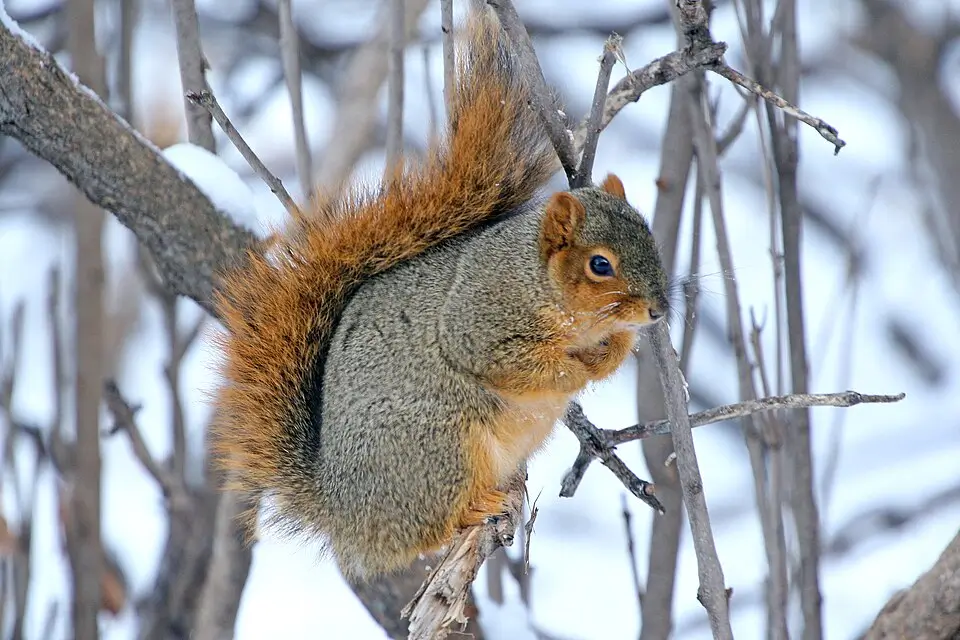
Among the many fascinating creatures that inhabit the woodlands of North America, few are as charismatic, widespread, and recognizable as the fox squirrel (Sciurus niger). With its robust build, rich rusty coloration, and impressive bushy tail, the fox squirrel has earned a special place in the hearts of wildlife watchers, naturalists, and hunters alike. As the largest tree squirrel native to North America, this species offers both an engaging quarry for small-game hunters and a delightful subject for backyard observation.
For Michigan outdoor enthusiasts, the fox squirrel represents one of the most accessible and rewarding species to pursue. From the oak-hickory forests of the southern Lower Peninsula to suburban parks and rural woodlots, fox squirrels are a common and welcome sight throughout much of the state. This article explores the biology, habitat, hunting tradition, and conservation status of this remarkable rodent, providing Michigan hunters and naturalists with a well-rounded introduction to Sciurus niger.
Biological Traits
The fox squirrel belongs to the order Rodentia and the family Sciuridae, which encompasses all squirrels, chipmunks, marmots, and prairie dogs. Its scientific name, Sciurus niger, reflects the Latin word for squirrel combined with the species epithet meaning "black"—a nod to certain melanistic populations that exhibit dark coloration, although most fox squirrels display a much warmer palette.
Adult fox squirrels are notably larger than their close cousins, the eastern gray squirrels (Sciurus carolinensis). They typically measure between 19 and 29 inches in total length, including a long, plume-like tail that can account for nearly half of their body length. Weights generally range from about one and a half to three pounds, with regional variation. Their size, combined with a relatively heavy build, gives them a distinctive presence in the canopy.
Coloration in fox squirrels is remarkably variable. In much of their range, including Michigan, individuals display a striking combination of rusty orange, cinnamon, and tawny brown on the belly and underside, with grayish or grizzled-brown fur on the back. The tail is typically edged in rich orange or buff tones. In other parts of their range, particularly in the Southeast, fox squirrels may be jet black, silver-gray, or even display white facial markings. This phenotypic diversity makes the species one of the most visually variable mammals in North America.
Anatomically, fox squirrels are well adapted to arboreal life. They possess sharp, recurved claws for gripping bark, powerful hind legs for leaping between branches, and the ability to rotate their hind feet nearly 180 degrees—an adaptation that allows them to descend tree trunks headfirst with remarkable agility. Their large, dark eyes are positioned high on the head, providing excellent peripheral vision for detecting aerial and terrestrial predators.
Like other members of the family Sciuridae, fox squirrels have ever-growing incisors that they must wear down by gnawing on hard materials such as nuts, seeds, and bark. Their diet is highly varied and seasonally dependent: in fall and winter, they rely heavily on hard mast such as acorns, hickory nuts, walnuts, and beechnuts, while in spring and summer they consume buds, flowers, fungi, insects, and occasionally bird eggs. Fox squirrels are well known for caching nuts in scattered locations, a behavior called scatter-hoarding that not only sustains them through lean months but also contributes to forest regeneration when forgotten caches sprout into new trees.
Breeding typically occurs twice a year, in late winter and again in mid-summer, with females giving birth to litters of two to four young after a gestation period of about 44 days. The young are altricial—born blind, hairless, and helpless—and remain in tree-cavity or leaf nests (called dreys) for several weeks before becoming independent. In the wild, fox squirrels may live up to eight years, though most do not reach this age due to predation and environmental hazards.
Habitat & Range
The fox squirrel's geographic range covers much of the eastern and central United States, extending from the Atlantic seaboard west to the Great Plains and from southern Canada down into northern Mexico. Within this broad range, the species occupies a diverse array of woodland habitats but generally favors open forest structure with a well-developed canopy of mast-producing hardwoods.
Classic fox squirrel habitat consists of mature oak-hickory forests, mixed hardwood stands with scattered openings, and woodland edges adjacent to agricultural fields. Unlike the gray squirrel, which thrives in dense, closed-canopy forests, the fox squirrel prefers more open environments, including savannas, pine-oak woodlands, riparian corridors, and even suburban neighborhoods with mature trees. This preference for park-like settings is one reason fox squirrels are so often observed in cemeteries, golf courses, and large residential lots.
In Michigan, the fox squirrel is particularly well established in the southern Lower Peninsula, where oak-hickory forests, woodlots interspersed with farmland, and mature suburban environments provide ideal conditions. The state's diverse landscape—shaped by glacial history and bordered by four of the five Great Lakes—offers a mosaic of habitats that suits the fox squirrel's preferences. Michigan's substantial area of more than 96,000 square miles supports extensive forests, woodlots, and riparian zones where this species can thrive.
Fox squirrels build two main types of nests. Leaf nests, or dreys, are large, conspicuous constructions of twigs and leaves built high in tree branches. These serve primarily as warm-weather shelters and rearing sites. In colder months and for raising young, fox squirrels prefer tree cavities, often in mature trees with natural hollows or abandoned woodpecker holes. The availability of cavity trees is therefore an important factor in suitable habitat.
Hunting Information
Fox squirrel hunting is a beloved tradition in many parts of North America, valued as much for the skill it develops as for the table fare it provides. Many lifelong hunters cite squirrel hunting as their introduction to the sport, an excellent way to learn woodsmanship, marksmanship, and patience.
Hunters typically pursue fox squirrels using one of several classic methods. Still-hunting—moving slowly and quietly through the woods, pausing often to scan the canopy—is highly effective, especially on calm mornings when squirrels are actively feeding. Sitting and waiting near productive mast trees such as oaks and hickories is another proven tactic, particularly when fresh cuttings (the discarded shells beneath a feeding tree) indicate active use. Some hunters also employ trained squirrel dogs, which tree squirrels and bark to alert the hunter to their location.
Firearm choices for squirrel hunting traditionally include the .22 long rifle for those who appreciate the marksmanship challenge of precise headshots, and the small-gauge shotgun (often a .410 or 20 gauge) for hunters who prefer wing-shooting style opportunities in heavier cover. The fox squirrel's larger body, compared to the gray squirrel, makes it a slightly more forgiving target and yields more meat per animal.
Because specific season dates, bag limits, and licensing requirements are set annually by state wildlife agencies, Michigan hunters should always consult the current Michigan Department of Natural Resources (DNR) hunting digest or official website before heading afield. Regulations vary by season and may be updated to reflect population trends and management goals. Securing proper licensing and reviewing current rules is an essential part of responsible hunting practice.
Once harvested, fox squirrels are prized for their flavorful, lean meat. Traditional preparations include slow-braising for stews and gumbos, frying with gravy, and pressure-cooking older animals to ensure tenderness. The hides, with their attractive coloration, are sometimes used by hobbyists for fly-tying materials and small craft projects.
Conservation
The fox squirrel is, as a whole, a species of least concern globally, with stable or expanding populations throughout most of its range. Its adaptability to a wide range of habitats—including human-modified landscapes—has helped it remain abundant where many other wildlife species have declined.
That said, certain regional subspecies of Sciurus niger have faced significant conservation challenges. Habitat loss, particularly the conversion of mature open hardwood forests and longleaf pine savannas, has affected populations in parts of the Southeast and along the Atlantic coast. Some isolated subspecies have been listed as threatened or endangered under federal or state law, prompting targeted habitat restoration and management efforts.
In Michigan and the broader Midwest, fox squirrel populations remain healthy, supported by sustainable hunting regulations, abundant mast-producing forests, and the species' general tolerance of human presence. Sound forest management—including the retention of mature mast trees, preservation of cavity trees, and maintenance of woodland edges—continues to benefit fox squirrels and the many other species that share their habitat.
Hunters play an important role in this conservation framework. License revenues and excise taxes on hunting equipment, through programs such as the Pittman-Robertson Wildlife Restoration Act, fund habitat acquisition, research, and management activities that benefit fox squirrels and countless other species. By participating in regulated hunting, following ethical practices, and supporting habitat conservation, Michigan outdoor enthusiasts contribute directly to the long-term well-being of Sciurus niger and the forests it calls home.