Overview
Few wildlife encounters rival the sight of a bull elk moving through a misty forest clearing at dawn, his massive antlers catching the early light, his bugling call echoing across the landscape. The elk (Cervus canadensis) is one of North America's most iconic and majestic large mammals, a creature that has captured the imagination of hunters, naturalists, and wildlife enthusiasts for centuries. In Michigan — a state defined by its sweeping forests, abundant waterways, and deep hunting traditions — elk occupy a special place in both the ecological fabric and the outdoor sporting culture.
Michigan sits at the heart of the Great Lakes region of the Upper Midwestern United States, bordered by Minnesota, Wisconsin, Indiana, Illinois, Ohio, and the Canadian province of Ontario. With more than 10 million residents and nearly 97,000 square miles of diverse terrain, Michigan offers a rich mosaic of habitats that support an impressive variety of wildlife. Among the most celebrated of these animals is the elk, a species whose history in the state is one of dramatic decline, determined conservation effort, and remarkable recovery.
This guide explores the biology, behavior, habitat preferences, hunting traditions, and conservation status of the elk in Michigan, offering hunters and wildlife enthusiasts a thorough understanding of this extraordinary animal.
Biological Traits
The elk, known scientifically as Cervus canadensis, is a member of the family Cervidae — the deer family — and represents one of the largest members of that family in the world. Closely related to the red deer of Europe and Asia, elk are sometimes referred to as "wapiti," a word derived from the Shawnee and Cree languages meaning "white rump," a fitting description given the animal's distinctive pale rump patch.
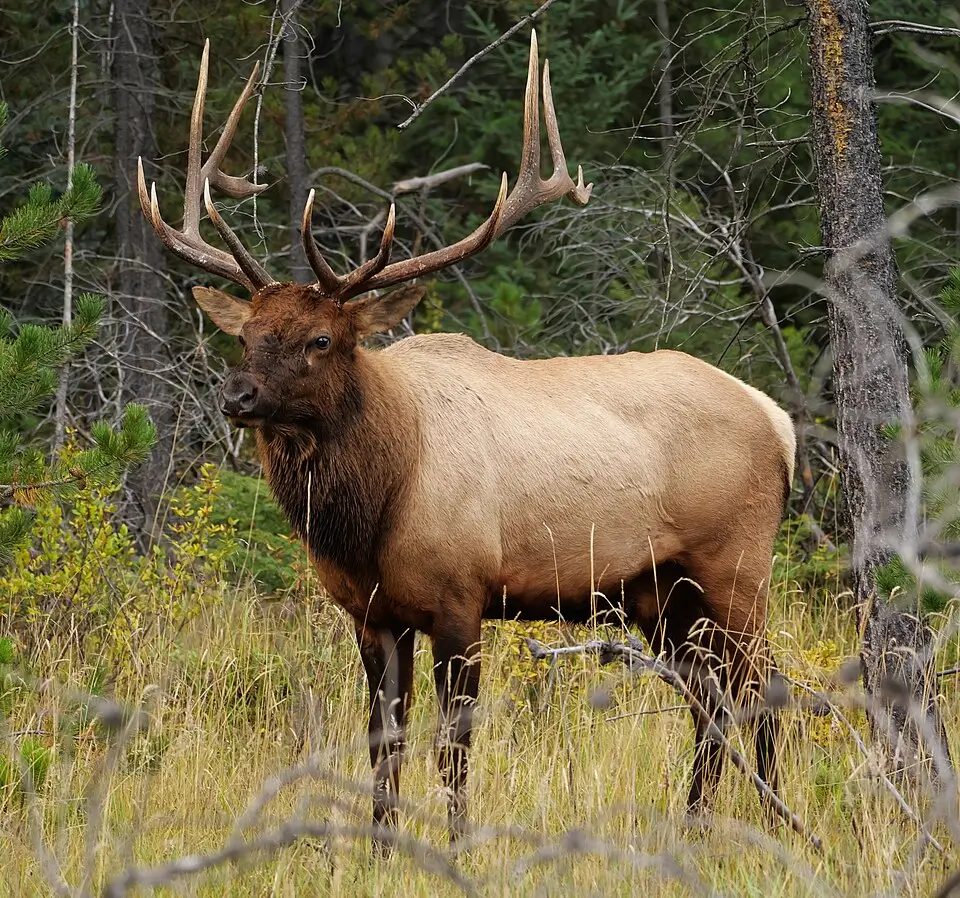
Adult bull elk are formidable animals. Males can weigh anywhere from 700 to over 1,000 pounds in peak physical condition, standing roughly five feet at the shoulder. Their most recognizable feature is their antlers, which are shed and regrown each year. A mature bull's antlers can span five feet or more and weigh upward of 40 pounds on their own. These antlers grow at a remarkable pace during the spring and summer months, covered in a soft, blood-rich tissue known as velvet, before hardening in late summer in preparation for the rut. Cows are considerably smaller, typically ranging from 450 to 600 pounds.
Elk are highly vocal animals, particularly during the autumn rut, which typically runs from late August through October. The bull's bugle — a haunting, multi-note call that rises into a high-pitched squeal before dropping into a series of grunts — is one of the most distinctive sounds in all of North American wildlife. Bulls use this call to attract cows and challenge rival males. During the rut, bulls are known for their aggressive behavior, engaging in dramatic antler-to-antler combat to establish dominance and secure breeding rights over harems of females.
Elk are primarily grazers and browsers, with a diet that shifts seasonally. In warmer months, they favor grasses, sedges, and forbs found in open meadows and forest clearings. As autumn arrives and vegetation dies back, they transition more heavily to browsing shrubs, woody plants, and tree bark. Like other ruminants, elk have a four-chambered stomach that allows them to efficiently digest tough plant material. They are most active during the early morning and evening hours, often bedding down in cover during the midday hours.
Elk are highly social animals, with cows, calves, and younger bulls typically traveling in herds for much of the year. Older, more dominant bulls tend to be more solitary outside of the rut. Calves are born in late spring, usually in May or June, and are capable of standing and following their mothers within hours of birth. A cow typically gives birth to a single calf, which she will fiercely defend against predators. Calves are spotted at birth, a camouflage adaptation that fades as they mature.
The lifespan of a wild elk typically ranges from 10 to 13 years, though some individuals have been documented living longer in the absence of significant predation pressure.
Habitat & Range
Historically, elk ranged across much of North America, from the eastern seaboard to the Pacific coast, and from northern Canada south into portions of Mexico. Their range was dramatically reduced following European settlement, as unregulated hunting and widespread habitat conversion eliminated elk from vast portions of their original territory.
Today, elk populations are concentrated primarily in the Rocky Mountain West, with significant herds found in states such as Colorado, Wyoming, Montana, Idaho, and Oregon. However, through dedicated reintroduction efforts, elk have been successfully re-established in a number of eastern states and the Great Lakes region — including Michigan.
Elk are highly adaptable animals that thrive in a diverse range of habitat types. They are most associated with a mosaic of forest and open land, where they can find adequate forage in clearings and meadows while retreating to forested cover for shelter and security. In Michigan, the elk herd is centered in the northern lower peninsula, particularly in and around Pigeon River Country State Forest, which spans portions of Otsego, Montmorency, and Cheboygan counties. This region provides the combination of young forest regeneration, open grassy areas, wetlands, and mature timber that elk require to thrive.
Elk favor areas with reliable water sources and are commonly found near rivers, streams, ponds, and wetlands — all of which Michigan provides in abundance. Seasonal movements are common, with elk shifting to lower elevations or more sheltered terrain during periods of deep snow or extreme cold, a behavior that is particularly relevant given Michigan's often severe northern winters.
Hunting Information
Elk hunting in Michigan is a deeply cherished tradition with a passionate and dedicated following. Michigan is one of a relatively small number of states east of the Mississippi River where hunters have the opportunity to pursue elk in a wild, free-ranging setting, making the experience particularly prized.
Because the Michigan elk herd is carefully managed to ensure its long-term health and sustainability, elk licenses are issued through a controlled permit system administered by the Michigan Department of Natural Resources (DNR). Demand for elk licenses far exceeds the available permits each year, reflecting both the popularity of elk hunting and the responsible management approach that prioritizes herd health over harvest volume.
Hunters who draw an elk license in Michigan are stepping into one of the most rewarding big game experiences the state has to offer. Elk hunting requires a combination of physical preparation, woodsmanship, and patience. Given the dense forest and mixed terrain of northern Michigan's elk country, hunters often rely on a combination of scouting, calling, and still-hunting to locate and close the distance on their quarry. The bugling season of early autumn is particularly popular, as hunters can use cow calls and bull bugles to elicit responses and pinpoint the location of rutting bulls.
Ethical hunting practices and a strong conservation ethic are central to Michigan's elk hunting culture. Hunters are encouraged to familiarize themselves thoroughly with current regulations, season structures, and any zone-specific rules before heading afield. Because regulations, season dates, and licensing requirements are subject to change, prospective elk hunters should always consult the Michigan DNR directly for the most current and accurate information prior to applying for or purchasing licenses.
Conservation
The story of elk conservation in Michigan is an inspiring example of what dedicated wildlife management and public commitment can achieve. Elk were once native to Michigan but were extirpated from the state by the late 19th century, victims of overhunting and habitat loss. In 1918, seven elk were transplanted to northern Michigan from Yellowstone National Park, laying the foundation for the herd that exists today.
Through decades of careful management by the Michigan DNR, the state's elk population has grown significantly from those original seven animals. Population surveys, habitat management, hunting regulation, and ongoing research have all contributed to the herd's success. Today, Michigan is home to one of the largest free-roaming elk herds east of the Mississippi River, a fact that stands as a powerful testament to the effectiveness of science-based wildlife management.
Habitat conservation remains a critical pillar of elk management in Michigan. The preservation and active management of Pigeon River Country State Forest and surrounding lands ensures that elk have the food, cover, and space they need to sustain a healthy, viable population. Forest management practices that create young, regenerating growth — such as selective timber harvest and prescribed fire — benefit elk by promoting the lush vegetation these animals depend on for forage.
Hunters, wildlife agencies, and conservation organizations all play important roles in supporting elk conservation through license fees, excise taxes on sporting equipment (channeled through programs like the Federal Aid in Wildlife Restoration Act), and volunteer habitat improvement efforts. The partnership between sportsmen and wildlife managers has been, and continues to be, essential to the elk's ongoing presence in Michigan.