Overview
Few animals embody the spirit of wild North America quite like the bobcat. Secretive, adaptable, and strikingly beautiful, the bobcat (Lynx rufus) is the continent's most abundant and widely distributed wild cat. Despite sharing forests, swamps, deserts, and brushlands with millions of people, this elusive predator manages to remain largely invisible to the human eye — a ghost of the wilderness that prowls the edges of our world with silent, practiced grace.
In a state like Michigan, with its vast forests, wetlands, and wild Upper Peninsula, the bobcat finds a particularly fitting home. Whether you are a wildlife enthusiast hoping to spot one on a quiet morning hike, or a hunter pursuing one of North America's most challenging quarry animals, understanding the bobcat — its biology, behavior, and ecological role — is the first step toward a deeper appreciation of this remarkable creature.
This article explores everything you need to know about the bobcat, from its physical characteristics and natural history to its presence in Michigan and what hunters and wildlife observers should know before heading into the field.
Biological Traits
The bobcat is a medium-sized wild felid belonging to the genus Lynx, placing it in close company with the Canada lynx (Lynx canadensis), the Eurasian lynx (Lynx lynx), and the Iberian lynx (Lynx pardinus). Its scientific name, Lynx rufus, translates roughly to "red lynx" — a nod to its characteristic reddish-brown fur.
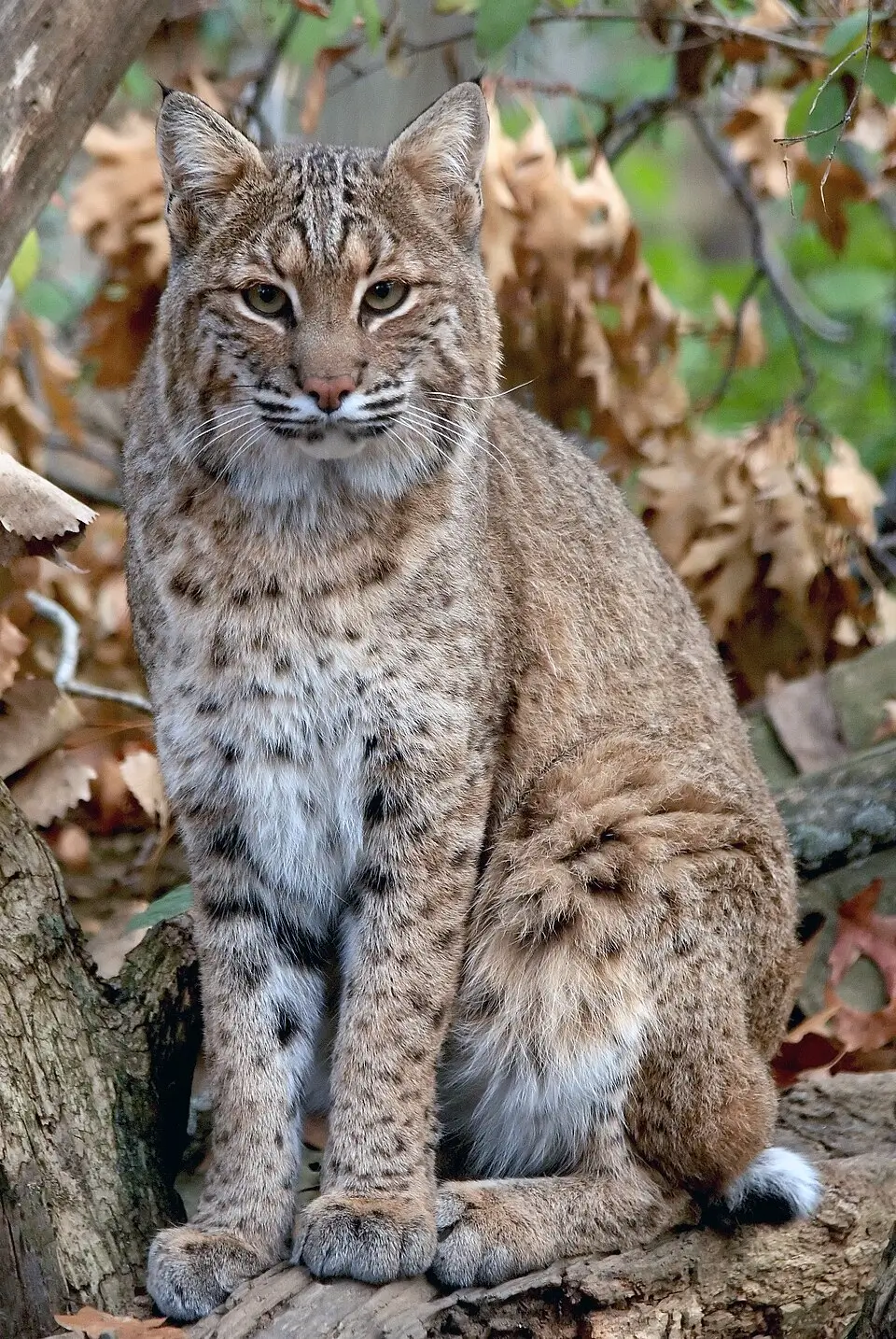
One of the bobcat's most recognizable features is its short, stubby tail, which typically measures only a few inches in length and appears to be "bobbed," giving the animal its common name. The tail is banded with black markings on top and white on the underside — a distinctive feature that helps distinguish the bobcat from the Canada lynx in regions where both species overlap.
The coat of a bobcat is one of nature's more elegant designs. The fur is typically tan to grayish-brown with dark brown or black streaks and spots, providing excellent camouflage across a wide variety of habitats. The underparts are white or pale, and the facial features include tufted ears — though smaller than those of the Canada lynx — and a distinctive ruff of fur around the cheeks that gives the face a slightly wide, expressive appearance.
In terms of size, bobcats are notably larger than a domestic house cat but smaller than a mountain lion. Adults typically weigh between 11 and 30 pounds, with males being considerably larger than females — a trait known as sexual dimorphism that is common among wild felids. The body length ranges from roughly 26 to 41 inches, and the animals stand about 12 to 24 inches at the shoulder. Like all felids, the bobcat has retractable claws, excellent night vision, and highly sensitive hearing — all adaptations that make it a supremely effective predator.
The bobcat is primarily a carnivore with a diet that varies considerably based on geographic location and seasonal prey availability. Across much of its range, rabbits and hares form the backbone of its diet — particularly the eastern cottontail and the snowshoe hare in northern regions. However, the bobcat is an opportunistic hunter and will readily take squirrels, mice, voles, birds, and even white-tailed deer, particularly young fawns or weakened adults during winter months. This dietary flexibility is one of the key reasons the bobcat has thrived across such a diverse range of environments.
Bobcats are solitary animals and strongly territorial. Each individual maintains a home range that varies in size depending on sex, prey density, and habitat quality. Males typically maintain larger home ranges than females, and these ranges may overlap with those of several females while generally excluding other males. Communication within the species is accomplished through scent marking — using urine, feces, and secretions from glands — as well as vocalizations that include yowls, hisses, and a variety of other calls, particularly during the breeding season.
Breeding typically occurs in late winter, with the peak often falling between February and March. After a gestation period of approximately 60 to 70 days, a female will give birth to a litter of one to six kittens, though two to four is most common. The kittens are born spotted and helpless, remaining with their mother for several months as they learn to hunt and fend for themselves. By autumn, most young bobcats are independent and striking out to establish their own territories.
The lifespan of a wild bobcat is generally 7 to 10 years, though individuals in captivity have lived considerably longer. Natural mortality comes from a range of sources, including predation by mountain lions, wolves, and coyotes, as well as disease, starvation, and vehicle collisions.
Habitat & Range
The bobcat holds the distinction of being the most geographically widespread wild cat in North America. Its range extends from southern Canada through most of the contiguous United States and into northern Mexico. This extraordinary breadth of distribution speaks volumes about the animal's adaptability.
Bobcats are found in an impressive variety of habitats: dense boreal forests, coastal swamps, scrubby chaparral, semi-arid deserts, hardwood river bottoms, and even the semi-suburban fringes of human development. The common thread across all of these environments is the availability of adequate prey, suitable denning sites, and sufficient cover for stalking and ambush hunting.
In Michigan, the bobcat occupies a particularly important ecological niche. The state's Upper Peninsula is characterized by vast stretches of coniferous and mixed hardwood forest, interspersed with wetlands, bogs, and rocky outcroppings — exactly the kind of rugged terrain that bobcats favor. The Lower Peninsula also supports bobcat populations, particularly in areas with significant forest cover and low human population density.
Michigan's geographic position in the Great Lakes region gives it a rich mosaic of habitats, and the bobcat's presence here is a testament to the health of the state's natural ecosystems. The combination of mature forests, abundant prey species like white-tailed deer and snowshoe hare, and extensive wild lands makes Michigan one of the more productive states in the Midwest for bobcat populations.
Hunting Information
The bobcat is considered a prized game animal across much of its range, and for good reason. Pursuing a bobcat is widely regarded as one of the most challenging and rewarding experiences in North American hunting. These animals are nocturnal, highly secretive, and possess keen senses that make them extraordinarily difficult to locate and harvest. Hunters who successfully take a bobcat have typically invested considerable time, skill, and patience in the effort.
Traditional methods of hunting bobcat include the use of hounds — trained dogs that can track and tree bobcats — as well as calling, trapping, and still-hunting in areas with known bobcat activity. Calling with prey distress sounds or bobcat vocalizations can be effective during certain times of year. Snow tracking is another popular method in northern states like Michigan, where fresh snow reveals the movements of individual animals and can help hunters plan their approach.
For those interested in hunting bobcat in Michigan specifically, it is strongly recommended to consult the Michigan Department of Natural Resources (MDNR) directly for the most current and accurate information regarding season dates, licensing requirements, harvest reporting, and any applicable regulations. Hunting regulations for bobcat can vary between the Upper and Lower Peninsulas and are subject to change based on population surveys and wildlife management objectives. Always verify current rules through the official MDNR website or by contacting a local wildlife office before heading afield.
Bobcat pelts have historically been valued in the fur trade, and legally harvested bobcats continue to hold value in commercial and artisan fur markets. As with all regulated hunting, ethical and lawful pursuit of bobcats contributes directly to conservation funding through license fees and excise taxes on equipment.
Conservation
The bobcat's conservation status is currently listed as Least Concern by the International Union for Conservation of Nature (IUCN), reflecting the species' broad distribution and relatively stable populations across most of its range. This is an encouraging status for a wild felid, particularly in an era when many large carnivores face significant pressures from habitat loss and human encroachment.
In earlier centuries, bobcat populations faced considerable pressure from unregulated hunting and trapping, as well as widespread habitat destruction. Today, bobcat management across the United States is regulated at the state level, with wildlife agencies conducting periodic population surveys to set sustainable harvest limits. This science-based approach to management has helped maintain healthy bobcat populations across most of the country.
In Michigan, the MDNR plays a central role in monitoring and managing bobcat populations, particularly in the Upper Peninsula where the species is more densely distributed. The department uses harvest data, field surveys, and modeling tools to make informed management decisions that balance hunting opportunity with long-term population sustainability.
The bobcat also plays an important ecological role as a mesopredator, helping to regulate populations of rabbits, rodents, and other small mammals. In this capacity, the bobcat contributes to the overall health and balance of the ecosystems it inhabits. Protecting adequate habitat — particularly large, contiguous wild lands — remains the single most important factor in ensuring the long-term viability of bobcat populations in Michigan and across North America.
Citizen science programs, wildlife cameras, and public reporting of bobcat sightings all contribute to a growing body of data that researchers and wildlife managers use to track the species' range and population trends. Outdoor enthusiasts of all kinds — hunters, photographers, hikers, and naturalists — play a valuable role in this effort simply by observing, reporting, and advocating for wild lands.