Overview
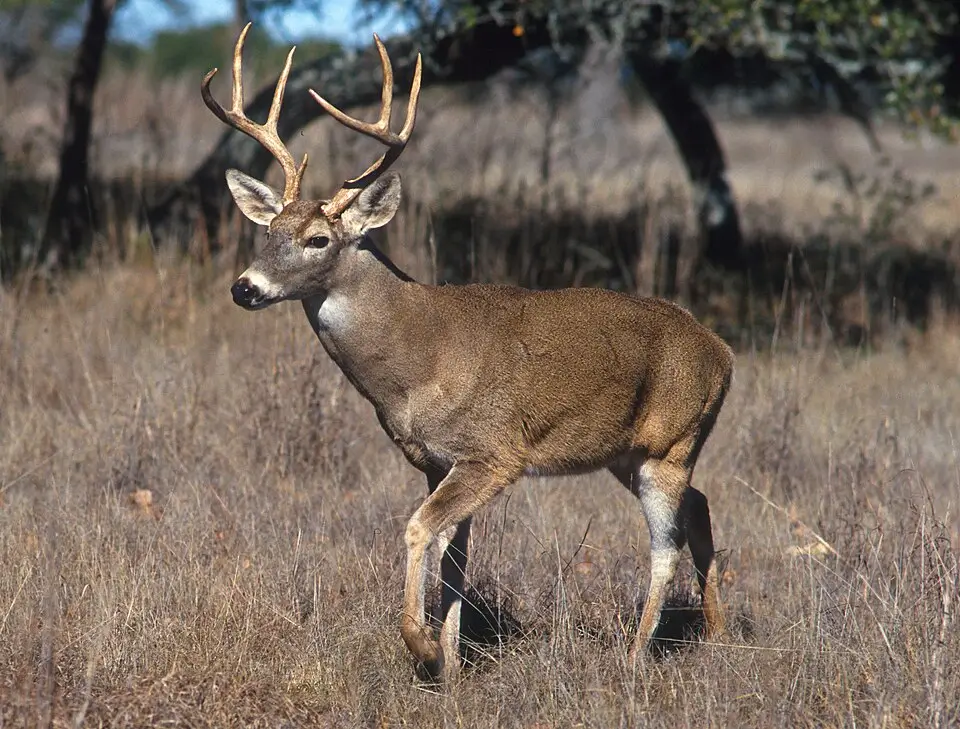
Few animals capture the imagination of hunters, wildlife enthusiasts, and outdoor lovers quite like the white-tailed deer. Graceful yet powerful, elusive yet surprisingly adaptable, Odocoileus virginianus — commonly known as the white-tailed deer — stands as one of the most iconic wildlife species across the North American continent. From the dense hardwood forests of Maine to the brushy river corridors of Texas, this remarkable animal has carved out a place in the hearts of millions and in the traditions of countless families who pursue it each autumn season.
The white-tailed deer is the most widely distributed wild ungulate in the Americas, ranging from the southern reaches of Canada all the way through Central America and into parts of South America. In the United States, it is by far the most popular big game animal, drawing millions of hunters into the field every year and generating billions of dollars in economic activity tied to hunting licenses, gear, travel, and land management. Yet beyond its role in hunting culture, the white-tailed deer is a fascinating biological subject — a species that has demonstrated extraordinary resilience, adaptability, and reproductive success across a breathtaking variety of landscapes and climates.
Maine, the northeasternmost state in the contiguous United States, offers some of the most storied white-tailed deer hunting experiences in the country. With over 17 million acres of wild land and a tradition of outdoor culture that runs deep in its communities, Maine is genuinely one of the finest destinations in New England — and indeed in the entire nation — for pursuing this magnificent animal. Maine's rugged forests, remote river drainages, and expansive northwoods create a hunting experience that is truly unlike anywhere else on the continent.
Biological Traits
The white-tailed deer (Odocoileus virginianus) belongs to the family Cervidae, which includes other deer, elk, moose, and caribou. It is a medium-to-large ungulate, with body size varying considerably across its wide geographic range. Deer in the northern portions of its range, including states like Maine, tend to be noticeably larger than their southern counterparts — a biological principle known as Bergmann's Rule, which holds that animals in colder climates tend to evolve larger body sizes to conserve heat.
Adult bucks in northern states can weigh anywhere from 150 to well over 300 pounds in exceptional cases, while does are generally smaller and more lightly built. The species is named for the distinctive white underside of its tail, which the deer raises and fans out like a flag when alarmed — a behavior that serves as both a warning signal to other deer and a potential mechanism to confuse predators.
One of the most visually striking features of the white-tailed deer is the antler growth cycle of mature bucks. Beginning each spring, bucks begin growing new antlers covered in velvet — a soft, blood-rich tissue that supplies nutrients to the rapidly developing bone. By late summer and early fall, testosterone levels rise, the velvet dries up and is shed, and bucks are left with hardened antler racks that they carry through the breeding season. After the rut, antlers are shed, and the cycle begins anew. The size and configuration of antlers is influenced by age, nutrition, and genetics, making the pursuit of a mature buck a complex and deeply rewarding challenge.
The rut — the annual breeding season of the white-tailed deer — is one of the most dramatic wildlife events in North American nature. Typically occurring in mid-to-late autumn, the rut sees bucks abandon their normally cautious, secretive behavior and range widely in search of receptive does. Bucks will spar with rivals, scrape the ground with their hooves, and rub their antlers against trees to mark territory and communicate their presence. For hunters, the rut represents a prime window of opportunity, as bucks become far more visible and active during daylight hours than at any other time of year.
Does typically give birth to one or two fawns in late spring, with twins being common in areas where food resources are abundant. Fawns are born with a spotted coat that provides camouflage in dappled forest light, and they are capable of standing and walking within hours of birth. White-tailed deer are browsers and grazers, feeding on a wide variety of plant materials including leaves, twigs, acorns, fruits, agricultural crops, and grasses depending on the season and what is available in their habitat.
Habitat & Range
The white-tailed deer is one of the most adaptable large mammals in the world, capable of thriving in a remarkable range of environments. While it is historically associated with forest-edge habitat — the transitional zones between dense woodland and open meadow — it has proven equally comfortable in agricultural landscapes, suburban greenbelts, river bottoms, coastal marshes, and deep wilderness forests.
In Maine, white-tailed deer occupy the southern and central portions of the state with particular abundance, where a mosaic of agricultural land, young forest, and mixed hardwood-softwood stands provides ideal year-round habitat. The northernmost reaches of Maine transition into habitat more dominated by moose, but deer are present throughout the state's vast landmass. Maine borders New Hampshire to the west, the Gulf of Maine to the southeast, and the Canadian provinces of New Brunswick and Quebec to the northeast and northwest — a geographic position that situates it within some of the most expansive and least-developed forested landscape remaining in the eastern United States.
Winter conditions in Maine present the most significant seasonal challenge for white-tailed deer. Deep snow can limit deer mobility and food access, and severe winters can have a meaningful impact on deer populations, particularly among fawns and older animals. For this reason, deer in Maine and other northern states rely heavily on thermal cover — dense softwood stands, particularly hemlock and cedar swamps — to escape the worst of winter weather. Wildlife managers and land stewards who maintain or restore this type of habitat play a vital role in supporting healthy deer populations.
Hunting Information
Hunting white-tailed deer is a cornerstone tradition of outdoor culture in Maine, a state whose nickname "Vacationland" reflects a deep and abiding connection to the natural world. Maine's Department of Inland Fisheries and Wildlife oversees hunting regulations, licensing, and season management across the state, providing hunters with the framework they need to pursue deer responsibly and legally.
Maine offers hunters access to over 17 million acres of land, an extraordinary resource that includes a mix of public lands, timber company holdings with hunting access agreements, and private properties. This abundance of accessible wild land is one of Maine's greatest assets as a hunting destination, providing opportunities for both resident hunters and visitors from out of state who wish to experience the unique character of Maine's northwoods.
For prospective deer hunters in Maine, obtaining the appropriate licenses and permits is the essential first step. The Maine Department of Inland Fisheries and Wildlife provides current information on licensing requirements, season dates, legal methods of take, and any applicable permit systems. Hunters are strongly encouraged to consult the official Maine hunting regulations — available through the Department's website and at licensed agents throughout the state — before heading into the field.
White-tailed deer hunting in Maine, as in other northern states, rewards preparation, patience, and woodsmanship. Understanding deer behavior across the seasons, scouting for sign such as rubs, scrapes, trails, and feeding areas, and selecting stand or hunting locations that account for wind direction and deer movement patterns are all skills that can dramatically improve a hunter's chances of success.
Conservation
The story of the white-tailed deer in North America is, in many respects, a conservation success story. In the late 19th and early 20th centuries, unregulated market hunting and widespread habitat loss caused white-tailed deer populations to collapse across much of their range. Through the implementation of science-based wildlife management, regulated hunting seasons, and habitat protection efforts, deer populations have rebounded dramatically over the past century.
Today, regulated hunting plays a central role in the ongoing conservation of white-tailed deer. Revenue generated through the sale of hunting licenses and federal excise taxes on firearms and ammunition — directed through programs such as the Federal Aid in Wildlife Restoration Act (commonly known as the Pittman-Robertson Act) — funds critical wildlife research, habitat restoration, and population monitoring programs. In this way, hunters serve not merely as harvesters of a natural resource, but as active investors in wildlife conservation.
In Maine, the Department of Inland Fisheries and Wildlife conducts ongoing population assessments and habitat surveys to ensure that deer management is grounded in sound biological data. The relationship between healthy deer populations, functional forest ecosystems, and the hunting tradition that sustains so many Maine families and communities is one that the state takes seriously — and it reflects a model of conservation that has proven its value over generations.