Overview
Venture deep into the boreal forests of northeastern North America, and if you're patient and observant, you might catch a fleeting glimpse of one of the continent's most agile and charismatic small predators: the American marten (Martes americana). With its sleek body, expressive eyes, and remarkable athleticism, this member of the weasel family has long captured the imagination of naturalists, trappers, and wildlife enthusiasts alike. In states like Maine — the largest and most forested of the New England states — the American marten occupies a significant place in both the ecological community and the outdoor sporting tradition.
Maine's vast wilderness, stretching across more than 17 million acres of hunting and fishing territory, provides some of the finest habitat in the contiguous United States for this elusive creature. Whether you're a trapper with generations of tradition behind you, a wildlife photographer seeking that perfect woodland shot, or simply an outdoor enthusiast curious about the creatures sharing the forest, the American marten is well worth knowing. This article takes a deep dive into the biology, range, habitat preferences, and conservation status of this remarkable animal, while also exploring what Maine's storied outdoor heritage means for those who pursue it.
Biological Traits
The American marten belongs to the family Mustelidae — the same biological family that includes otters, weasels, badgers, and wolverines. As a mustelid, the American marten shares many of the family's trademark characteristics: a long, slender body built for speed and agility, short rounded ears, and a sharp, inquisitive face perfectly suited to a life of active predation.
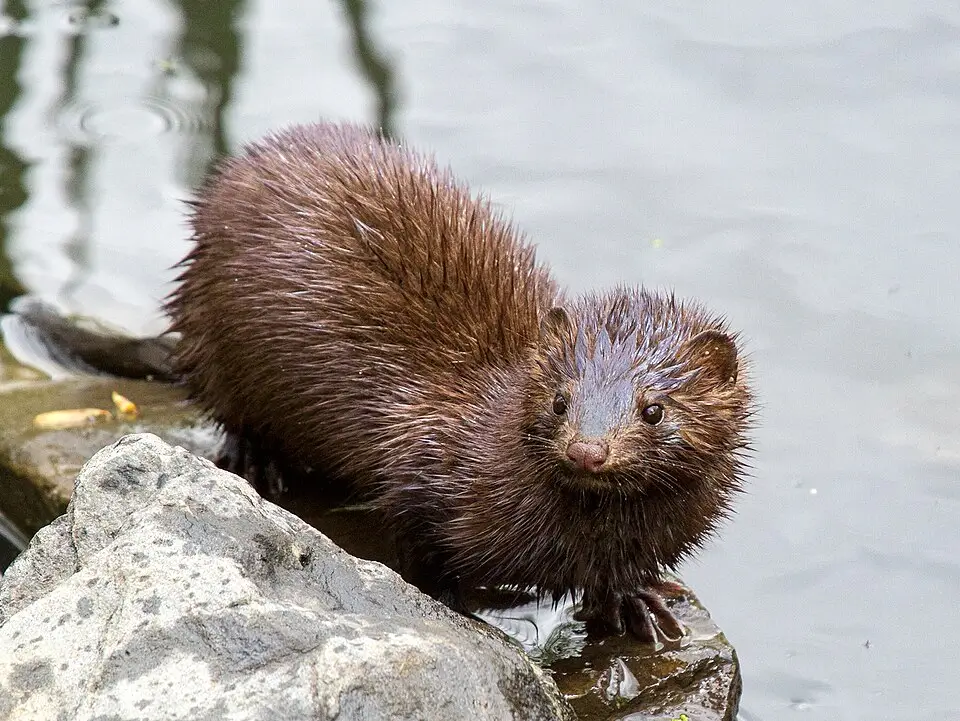
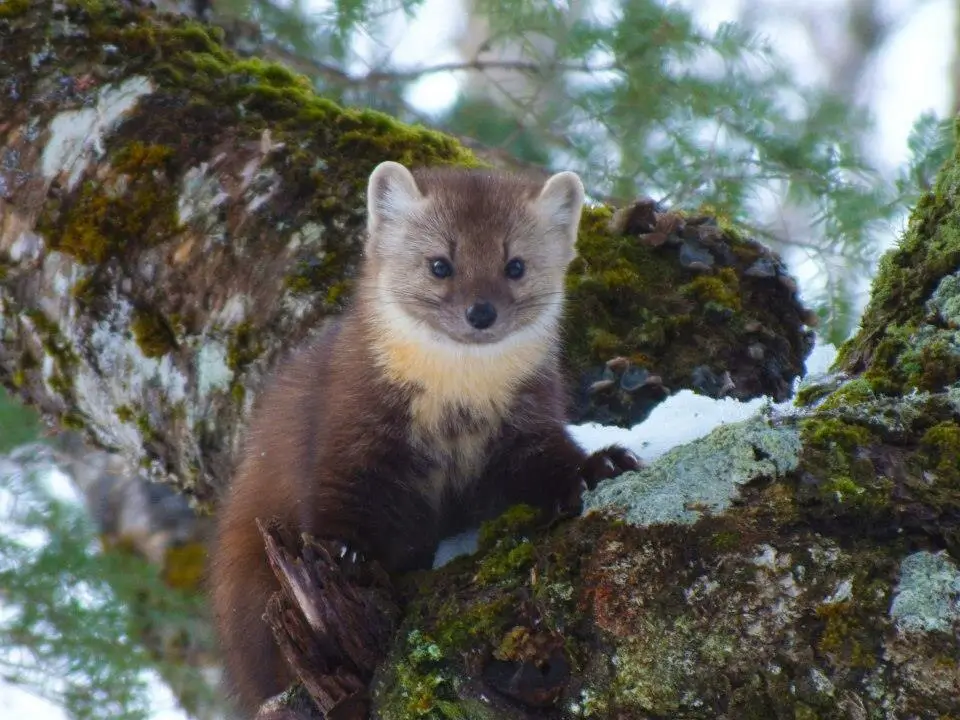
Martens are medium-sized mustelids, typically larger than a mink but smaller than a fisher, their close relative. Their fur is notably luxuriant and has historically been highly prized in the fur trade — a fact that has had significant implications for the species' history in North America. The coat generally ranges from pale yellowish-brown to dark brown, often with a distinctive paler or orange-toned throat and chest patch that serves as something of a natural identifying mark. The tail is bushy and well-furred, providing both balance and warmth during the cold northern winters.
Like all mustelids, American martens are carnivorous. They are opportunistic predators, feeding on a wide variety of prey including small mammals such as voles, mice, and squirrels, as well as birds, insects, fruits, and carrion when available. Their diet shifts seasonally depending on what is most abundant. Small rodents, particularly red-backed voles, are considered a dietary staple throughout much of their range.
One of the marten's most impressive physical abilities is its skill in trees. Unlike many ground-dwelling predators, the American marten is highly arboreal and can pursue prey through the forest canopy with stunning speed and precision. Their semi-retractable claws and flexible ankle joints allow them to descend trees headfirst, a trait that sets them apart from many other mammals. This arboreal agility makes them formidable hunters in three-dimensional forest environments.
American martens are generally solitary animals, with males and females coming together primarily during the mating season in summer. They are territorial, with males typically maintaining larger home ranges that may overlap with those of several females. Like many mustelids, martens undergo delayed implantation — a reproductive strategy in which fertilized eggs do not immediately implant in the uterus after mating. This means that although mating occurs in summer, birth typically doesn't take place until late winter or early spring, allowing young to arrive when conditions are beginning to improve.
Litters generally consist of one to five young, known as kits, which are born blind and helpless. The female raises the kits alone in a den, which may be located in a hollow tree, rock crevice, or other sheltered location. Kits develop quickly and are usually independent by late summer or early fall.
Habitat & Range
The American marten is quintessentially a creature of the boreal and montane forest. Across its range in North America — which extends from Alaska and Canada southward into portions of the northern contiguous United States — the marten is almost invariably associated with mature, structurally complex coniferous or mixed forests. Old-growth and late-successional forests are particularly important, as they provide the downed logs, dense canopy cover, and prey abundance that martens require.
In Maine, the northeasternmost state in the contiguous United States, these habitat conditions exist in abundance. Maine's forests, shaped by its northern latitude, proximity to Canadian wilderness, and historical logging patterns, contain extensive tracts of spruce-fir forest — exactly the type of habitat that American martens thrive in. The state's position bordering the Canadian provinces of New Brunswick and Quebec to the northeast and northwest means that Maine's marten populations are part of a broader, connected northern forest ecosystem.
Martens are sensitive to habitat disturbance. Heavy timber harvesting that removes mature forest structure, particularly canopy cover and coarse woody debris on the forest floor, can significantly reduce the quality of marten habitat. This sensitivity has historically made the species something of an indicator of forest health — where martens thrive, the forest ecosystem is generally functioning well.
Within their territories, martens are active year-round, even during the harshest winter conditions. They do not hibernate and must continue hunting throughout the cold months. Their dense, insulating fur and behavioral adaptations, such as using subnivean spaces (areas beneath the snow pack) for warmth and hunting, allow them to persist in environments that would challenge many other similarly sized mammals.
Hunting and Trapping Information
The American marten has a long and culturally significant history in the North American fur trade, and trapping remains a legal and regulated activity in many parts of the species' range, including Maine. Maine's Department of Inland Fisheries and Wildlife oversees the management of furbearing species within the state and administers licenses and regulations for those who wish to participate in trapping.
Maine's outdoor sporting traditions run deep, and the state is widely regarded as one of the premier destinations for hunting and trapping in the eastern United States. With over 17 million acres of land available for outdoor recreation and a robust wildlife management framework, Maine offers outstanding opportunities for those interested in pursuing furbearers like the American marten.
If you are considering trapping American marten in Maine, it is essential to consult the most current regulations from the Maine Department of Inland Fisheries and Wildlife. Season dates, bag limits, licensing requirements, and permissible methods can change from year to year based on population surveys and management objectives. Always obtain the proper licenses before heading afield, and familiarize yourself with the specific rules governing marten trapping in the areas where you plan to operate.
Traditional trapping methods used for marten typically involve body-gripping traps set in elevated positions in trees or on natural structures, taking advantage of the marten's arboreal tendencies. Trappers often use baits and lures that appeal to the marten's keen sense of smell and natural curiosity. Success in trapping marten often comes down to a thorough understanding of the animal's habits, home range, and preferred travel corridors.
The pelt of the American marten remains valued in the fur trade, and responsible, regulated trapping can serve as an important tool in wildlife management. Trappers also play a valuable role in generating population data and supporting conservation efforts through their licensing fees and engagement with state wildlife agencies.
Conservation
The conservation story of the American marten is, in many respects, a story of resilience and recovery. Historically, the species was severely depleted across much of its range due to a combination of unregulated trapping during the fur trade era and widespread habitat loss from logging and land clearing. By the early twentieth century, martens had been extirpated or greatly reduced in many areas where they had once been common.
Thanks to improved habitat protections, regulated trapping seasons, and in some cases deliberate reintroduction efforts, American marten populations have rebounded significantly across portions of their former range. In Maine and other parts of the northeastern United States, recovering forest conditions following the decline of intensive agriculture and changes in logging practices have benefited marten populations.
Today, the American marten is not considered a threatened or endangered species across most of its range, though local populations in some areas remain a focus of conservation attention. The species is listed as Least Concern on the International Union for Conservation of Nature (IUCN) Red List at the global level, reflecting its overall population stability across the broad sweep of its North American range.
Ongoing conservation challenges include the long-term sustainability of mature forest habitats, the effects of climate change on boreal ecosystems, and ensuring that trapping regulations remain calibrated to actual population dynamics. Wildlife managers in Maine and across Canada continue to monitor marten populations closely, using data from trapper reports, track surveys, and other monitoring tools to guide management decisions.
For outdoor enthusiasts, naturalists, and trappers alike, the American marten represents the best of what North America's northern forests have to offer — a wild, adaptable, and enduringly fascinating creature that rewards those willing to seek it out on its own terms.