Overview
Few animals embody the spirit of the northern wilderness quite like the snowshoe hare (Lepus americanus). With its remarkable seasonal camouflage, explosive speed, and legendary population cycles, this medium-sized lagomorph has captured the imagination of wildlife enthusiasts, ecologists, and hunters alike for generations. Found across the boreal forests of North America — including the dense woodlands of Maine — the snowshoe hare is one of the most ecologically significant small mammals on the continent. It serves as a cornerstone prey species, a fascinating subject of biological study, and a rewarding quarry for hunters who enjoy the challenge of pursuing small game through thick timber and frozen swamps.
Whether you are a seasoned hunter lacing up your boots before a January dawn, a wildlife photographer hoping to catch a flash of white against fresh snow, or simply a nature lover curious about the creatures that inhabit the northern woods, the snowshoe hare deserves your attention and respect. This is a species that has thrived for millennia by adapting brilliantly to some of the harshest environments in North America, and its story is one worth telling in full.
Biological Traits
The snowshoe hare (Lepus americanus) belongs to the family Leporidae, which includes all rabbits and hares. Like other members of the genus Lepus, the snowshoe hare is a true hare — meaning that unlike rabbits, young snowshoe hares (called leverets) are born fully furred, with their eyes open, and are capable of hopping within hours of birth. This precocial development is a critical survival adaptation in an environment where predators are always near.
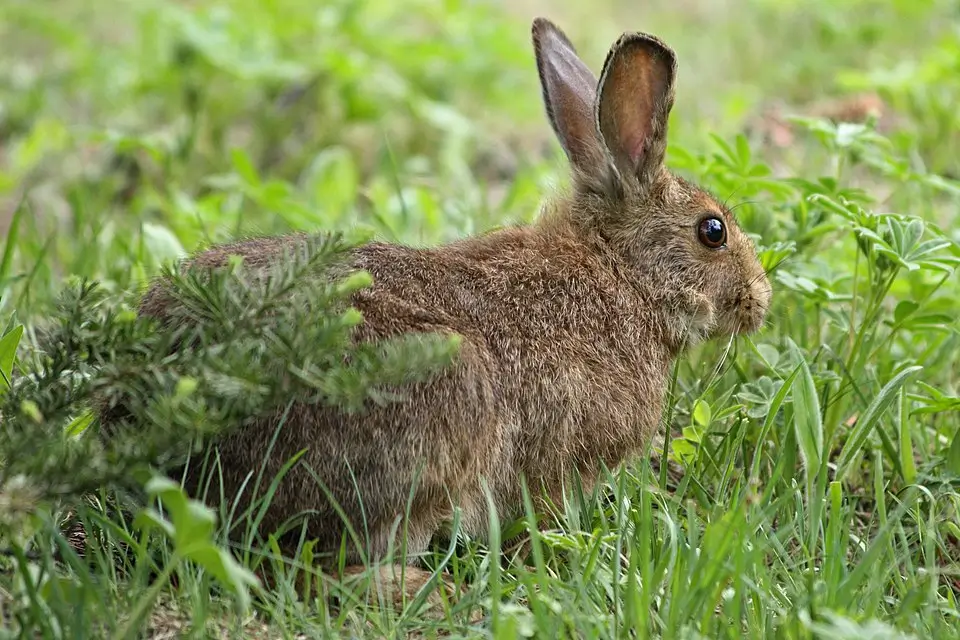
One of the most iconic features of the snowshoe hare is its seasonal coat change. During the warmer months, the animal wears a coat of rusty brown or grayish-brown fur that blends seamlessly with the forest floor, fallen leaves, and shadowed undergrowth. As winter approaches, triggered by changes in daylight length rather than temperature, the snowshoe hare's coat gradually transitions to a brilliant white — providing near-perfect camouflage against snow-covered landscapes. This transformation typically happens in stages over several weeks, and during the transition period, animals can appear mottled or patchy. Come spring, the process reverses, and the brown summer coat returns.
The species gets its common name from its extraordinarily large hind feet. These oversized paws act like natural snowshoes, distributing the animal's weight across the surface of deep snow and allowing it to travel efficiently through winter conditions that would bog down or exhaust smaller-footed predators. The hind feet can measure several inches in length, and the toes splay outward when the animal is in motion, maximizing surface area contact with the snow.
Snowshoe hares are generally active throughout the night and around twilight — a behavioral pattern known as crepuscular and nocturnal activity. During daylight hours, they typically rest in shallow depressions called "forms," tucked beneath low-hanging conifer branches or in dense brush, remaining motionless and relying on their camouflage to avoid detection.
Perhaps most famously, snowshoe hare populations are known for their dramatic boom-and-bust cycles. Typically operating on roughly a 10-year cycle, hare numbers can fluctuate dramatically — rising to peak densities before crashing sharply, then slowly rebuilding. These population dynamics have been studied extensively and are closely linked to the availability of food, predator populations (particularly the Canada lynx), and other ecological variables. The relationship between the snowshoe hare and the Canada lynx is one of the most well-known examples of predator-prey cycling in all of ecology.
Snowshoe hares are herbivores. In summer, their diet consists of grasses, forbs, ferns, and the leaves of various shrubs and young trees. In winter, when herbaceous vegetation is buried under snow, they shift to a diet of woody browse — the twigs, bark, and buds of trees such as willows, birches, and aspens. This dietary flexibility is another key element of their survival strategy in northern climates.
Habitat & Range
The snowshoe hare is fundamentally a creature of the boreal and mixed forest zones. Its range spans an enormous swath of North America, stretching from Alaska across Canada and dipping south into the northern contiguous United States, particularly in mountain ranges and northern forest regions. The Appalachian Mountains, the Great Lakes region, the Rocky Mountains, and the forests of New England — including the state of Maine — all support resident populations.
In terms of habitat preference, the snowshoe hare gravitates toward dense, brushy cover. Young forest stands with thick understory, alder thickets, spruce-fir forests, cedar swamps, and the brushy edges between open areas and mature timber all provide ideal habitat. Dense vegetation offers both food and escape cover — two things snowshoe hares require in abundance. Areas with significant conifer canopy are especially valued in winter, as snow interception by evergreen branches creates areas of lighter snowpack where travel is easier and food sources remain somewhat accessible.
Maine, as the largest state in New England and one of the most heavily forested states in the entire country, provides exceptional snowshoe hare habitat across much of its area. The state's vast expanse of northern and western forest, with millions of acres of mixed woodland, wetland edges, and regenerating timber cuts, creates ideal conditions for healthy hare populations. Maine's cold winters and reliable snowfall further suit this species perfectly, as the snowshoe hare is physiologically and behaviorally optimized for deep-snow environments.
Hunting Information
The snowshoe hare is a beloved small game quarry throughout its range, and Maine offers some outstanding opportunities for hunters seeking this species. The Maine Department of Inland Fisheries and Wildlife (MDIFW) oversees all hunting and trapping regulations in the state, and Maine's reputation as a premier hunting destination is well established. With over 17 million acres of accessible land, hunters in Maine have exceptional access to quality snowshoe hare habitat.
Hunting snowshoe hares is a tradition deeply embedded in New England hunting culture. One of the most popular and enjoyable methods is hunting with beagles or other rabbit hounds. When jumped from its form, a snowshoe hare will typically run in a large loop, circling back toward the area where it was first flushed. A pack of beagles on a fresh track, baying through the snowy woods, is an experience that few who have enjoyed it ever forget. Hunters post up near likely escape routes and listen for the hounds to push the hare back toward them.
Still-hunting — moving slowly and deliberately through thick cover, watching carefully for the outline of a hare sitting motionless in its form — is another effective technique. This method demands patience and a sharp eye, as a white hare against a snowy background can be extraordinarily difficult to spot.
Winter is the prime time for snowshoe hare hunting. The snow makes tracking easier, and the hare's white coat, ironically, can make it more visible against the shadowed interiors of dense conifer stands. Hunters should dress in warm, layered clothing suitable for extended periods of slow movement in cold conditions and should be prepared for thick, brushy terrain.
For current season dates, bag limits, and licensing requirements in Maine, hunters are always encouraged to consult the Maine Department of Inland Fisheries and Wildlife directly, as regulations can be updated from season to season. The MDIFW provides up-to-date information on their official website and through published regulation summaries available at license agents across the state.
Conservation
The snowshoe hare is currently classified as a species of least concern from a conservation standpoint, reflecting the robustness of its overall population across the vast boreal forests of North America. Its natural population cycles, while they can produce dramatic short-term fluctuations in local numbers, are a normal and healthy part of the boreal ecosystem's rhythm.
That said, habitat quality remains the most important long-term factor in maintaining healthy snowshoe hare populations. Forest management practices that maintain a mosaic of different age classes — including young, regenerating stands with dense understory growth — are highly beneficial for hares. Conservation-minded hunters and landowners can contribute meaningfully to hare population health simply by advocating for and supporting thoughtful forest management.
Climate change represents an emerging and increasingly studied concern for snowshoe hares. As winters become shorter and snowpack less reliable in some parts of the species' range, the timing mismatch between the hare's seasonal coat change (which is triggered by day length) and actual snow conditions on the ground may increase the animals' vulnerability to predation. Ongoing research is examining how populations are responding to these changing conditions.
In Maine, where the forests are vast and the winters remain reliably cold and snowy, snowshoe hare populations continue to thrive. Responsible hunting, guided by science-based regulations from the MDIFW, plays a constructive role in wildlife management and does not threaten the long-term health of the population.