Overview
Few animals capture the imagination quite like the red fox. With its fiery coat, bushy tail, and legendary cunning, Vulpes vulpes has earned a place in folklore, literature, and the natural world that few other species can match. Across continents and cultures, the red fox is celebrated as a symbol of intelligence and adaptability — and for good reason. This remarkable animal has proven itself one of the most successful wild mammals on Earth, thriving in environments that range from arctic tundra to subtropical forests, and from remote wilderness to the edges of bustling cities.
In the northeastern United States, the red fox is a familiar and cherished part of the landscape. In Maine — a state renowned for its vast forests, rugged coastlines, and exceptional wildlife — the red fox occupies a special role in the natural ecosystem and in the traditions of hunters and trappers who have pursued this cunning animal for generations. Whether glimpsed darting across a snow-covered field at dawn or tracked through a hardwood forest in the crisp autumn air, the red fox never fails to inspire a sense of wonder in those lucky enough to encounter it.
This article takes an in-depth look at the red fox: its biology, its habitat, its relationship with hunters and wildlife managers, and the conservation efforts that help ensure this iconic animal remains a vibrant part of North America's wildlife heritage.
Biological Traits
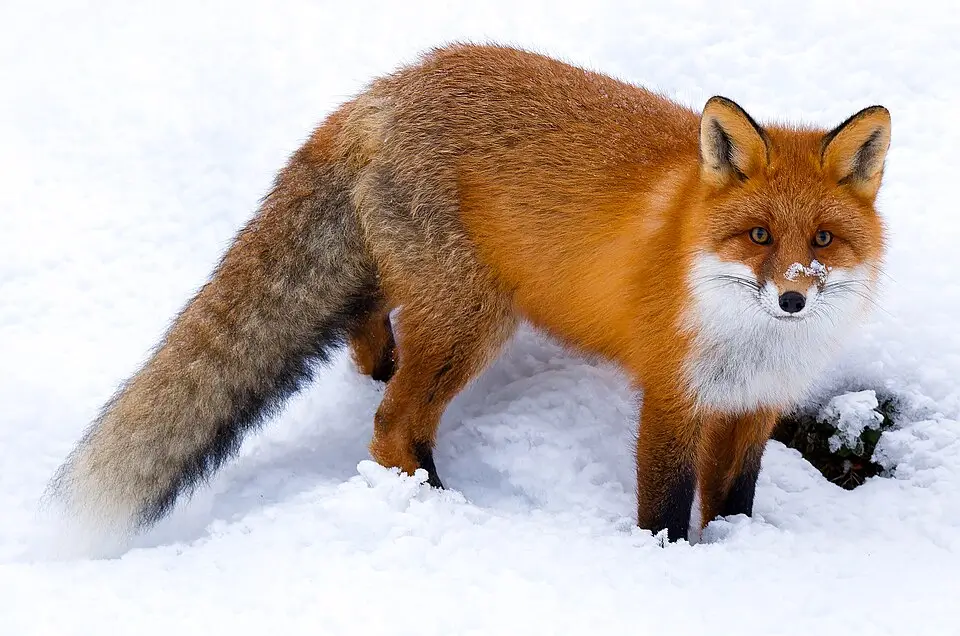
The red fox, Vulpes vulpes, belongs to the family Canidae — the same family that includes wolves, coyotes, and domestic dogs. It is the largest member of the genus Vulpes and one of the most widely distributed carnivores in the world. Despite its name, the red fox displays a remarkable range of coat colors. While the classic form features a rich reddish-orange coat across the back and sides, white underbelly, and dark legs, color morphs including silver, cross (a dark stripe pattern across the shoulders), and even all-black individuals occur naturally within the same species. Regardless of coat color, one feature remains nearly universal: the distinctive white-tipped tail, known as the "brush," which serves as a reliable field identification marker.
Adult red foxes are medium-sized canids, typically leaner and lighter than many people expect. They possess a long, pointed muzzle, large upright ears that provide exceptional hearing, and sharp amber or golden eyes well adapted to low-light conditions. Their legs are relatively long in proportion to their body, built for speed and agility rather than raw power.
One of the red fox's most fascinating biological traits is its hunting technique. Unlike pack hunters, red foxes are primarily solitary hunters that rely on acute senses and stealth. They are known for a distinctive high-arcing pounce — leaping into the air and diving nose-first into deep snow or tall grass to catch small rodents hiding beneath. This behavior, sometimes called "mousing," has been widely documented and is a testament to the species' extraordinary hearing, which allows it to detect prey moving under a foot or more of snow.
Red foxes are omnivores with a highly varied diet. Small mammals such as voles, mice, and rabbits form the backbone of their diet, but they readily consume birds, eggs, insects, earthworms, fruit, berries, and carrion depending on the season and availability. This dietary flexibility is a cornerstone of their success as a species.
Red foxes are primarily crepuscular and nocturnal, though they are frequently observed during daylight hours, particularly in areas with low human disturbance or during the breeding season. They are generally solitary outside of the mating season, with individuals maintaining overlapping home ranges that they mark with scent.
Mating typically occurs in winter, and after a gestation period of roughly 51 to 53 days, the vixen (female) gives birth to a litter of pups — often called kits — typically ranging from four to six individuals, though larger litters are possible. Pups are born blind and helpless in a den, often an excavated burrow or a natural cavity, and are cared for by both parents. By late summer, the young foxes are largely independent and will disperse to establish their own territories.
The red fox communicates through a surprisingly rich repertoire of vocalizations. Their high-pitched, screaming call — often heard on winter nights during mating season — can be startling to those unfamiliar with it, as it bears an uncanny resemblance to a human cry.
Habitat & Range
Vulpes vulpes holds the distinction of having one of the widest natural ranges of any terrestrial mammal. The species is native to much of the Northern Hemisphere, including North America, Europe, Asia, and North Africa, and has been introduced to Australia. This extraordinary range reflects the red fox's capacity to exploit an enormous variety of habitats.
In North America, red foxes are found from the arctic edges of Alaska and Canada southward through the contiguous United States and into parts of Central America. They favor habitats that offer a mixture of open and forested terrain — classic "edge" habitat where meadows, fields, and forest patches meet. This preference makes the New England landscape, with its patchwork of farmland, woodlots, wetlands, and forests, particularly well suited to red fox populations.
Maine, with its extraordinary diversity of landscapes, provides superb habitat for the red fox. The state's more than 17 million acres of forests, combined with its agricultural areas, wetlands, river corridors, and coastal zones, offer the varied terrain that foxes depend upon. Maine's long winters, heavy snowfall, and rich prey base of small rodents and snowshoe hares create conditions where red foxes can thrive.
The red fox is highly adaptable in its choice of denning sites. Dens may be excavated in sandy or loamy soil — often in elevated areas with good drainage and visibility — or the fox may take over and enlarge the burrows of other animals, such as groundhogs. In some cases, red foxes will den beneath outbuildings, stone walls, or brush piles. A single female may maintain multiple den sites within her territory, moving her pups if disturbed.
Hunting Information
The red fox has a long and storied history as a game species in North America. Pursued for both sport and its valuable pelt, the red fox has been a central figure in hunting and trapping traditions for centuries. In Maine, the Department of Inland Fisheries and Wildlife oversees hunting and trapping regulations, and the state is recognized as one of the premier destinations for outdoor pursuits in the country.
Maine offers some of the best hunting and fishing opportunities in the nation, set against a backdrop of spectacular natural scenery. The state's nickname, "Vacationland," speaks to its appeal as a destination for outdoor enthusiasts, and its more than 17 million acres of wild lands provide ample opportunity for hunters and trappers to pursue red fox across a wide range of habitats.
Red fox hunting in Maine is a tradition that connects hunters to the land and to the broader ecosystem. Fox hunting may involve spot-and-stalk methods, hunting over snow with hounds, or calling techniques that take advantage of the fox's natural curiosity. Early morning and late evening hours, when foxes are most active, tend to be the most productive times to hunt.
For hunters interested in pursuing red fox in Maine, it is strongly recommended to consult the Maine Department of Inland Fisheries and Wildlife for the most current season dates, licensing requirements, and regulations, as these details are subject to change and vary by zone and method of take. Regulations governing the hunting and trapping of furbearers, including the red fox, are updated regularly to reflect population data and management goals.
Trapping has historically been another important method of harvest for red foxes in Maine, with the state's trapping traditions deeply embedded in the culture of rural communities. Both hunting and trapping contribute to wildlife management by helping to maintain balanced predator-prey relationships across the landscape.
Conservation
The red fox, as a species, is currently listed as a species of Least Concern by conservation authorities, reflecting its wide range and robust global population. The adaptability that makes Vulpes vulpes such a successful predator also makes it relatively resilient to habitat changes that challenge many other wildlife species. However, local populations can be affected by factors such as habitat loss, disease, and changes in prey availability.
Diseases such as mange and rabies are among the most significant natural regulators of fox populations in North America. Outbreaks of sarcoptic mange in particular can cause dramatic local population declines, though populations typically recover over time as immune individuals reproduce and reinhabit affected areas.
Wildlife management agencies, including Maine's Department of Inland Fisheries and Wildlife, play a crucial role in monitoring furbearer populations and setting sustainable harvest levels. Regulated hunting and trapping seasons are calibrated to allow for adequate population maintenance, ensuring that future generations of hunters and wildlife enthusiasts will continue to have the opportunity to pursue and observe this remarkable animal.
Conservation efforts also benefit from the participation of hunters and trappers, who contribute vital data through mandatory harvest reporting and whose license fees help fund wildlife research and habitat conservation programs. This model of conservation through regulated harvest is a cornerstone of the North American Model of Wildlife Conservation, which has helped sustain thriving wildlife populations across the continent for more than a century.
The red fox, with its keen intelligence and extraordinary adaptability, is well positioned to remain a vital part of Maine's wildlife community well into the future. Continued stewardship of the diverse habitats that foxes depend upon — healthy forests, productive wetlands, working farmland, and clean waterways — will ensure that this iconic animal continues to thrive across the Maine landscape.