Overview
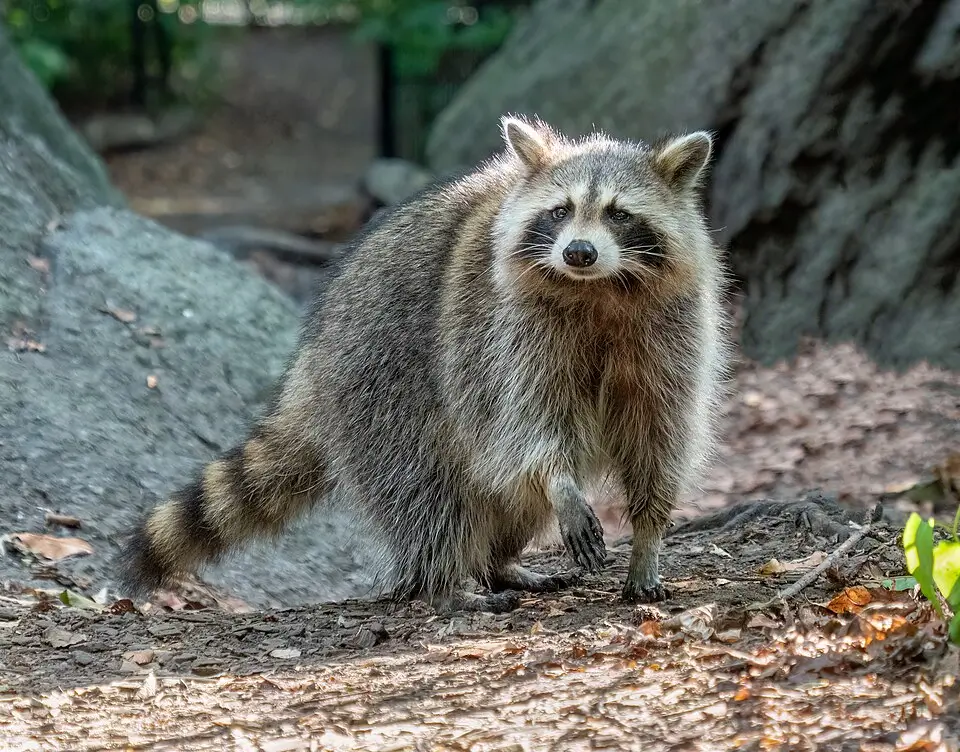
Few animals in North America are as instantly recognizable as the raccoon. With its distinctive black facial mask, ringed tail, and surprisingly nimble forepaws, the raccoon (Procyon lotor) has carved out a remarkable niche in the natural world — one that has allowed it to thrive in environments ranging from dense wilderness to urban neighborhoods. Whether you encounter one raiding a campsite in the Maine woods, peering down from a tree in a suburban backyard, or bounding through a marsh at dusk, the raccoon never fails to leave an impression.
In Maine, the raccoon is a well-established part of the state's rich wildlife heritage. The Pine Tree State, known widely as "Vacationland," offers some of the finest outdoor experiences in the entire country, including excellent hunting and trapping opportunities across its more than 17 million acres of forests, wetlands, and wild terrain. For hunters, trappers, and wildlife enthusiasts alike, the raccoon represents a fascinating and rewarding subject of pursuit. This article dives deep into what makes the raccoon such a compelling creature — from its biology and behavior to its place in Maine's outdoor tradition.
Biological Traits
The raccoon belongs to the family Procyonidae, a group of mammals native to the Americas. Its scientific name, Procyon lotor, translates roughly to "washer dog" — a nod to the raccoon's well-known behavior of manipulating food near water, which can look remarkably like washing. Whether this behavior is truly about cleanliness or simply a sensory habit remains a subject of ongoing scientific interest, but it is one of the traits that has long captured human curiosity.
One of the raccoon's most defining features is its forepaws. These dexterous, hand-like appendages are equipped with five long fingers that allow raccoons to open latches, unscrew lids, and manipulate objects with surprising precision. Their tactile sensitivity is enhanced near water, where nerve endings in their paws become even more responsive. This makes raccoons extraordinarily effective foragers, capable of locating and extracting food from a wide variety of sources.
The iconic facial mask — a band of dark fur across the eyes — is believed to help reduce glare and improve the raccoon's ability to see in low-light conditions. This is particularly useful for an animal that is predominantly nocturnal, doing much of its foraging and socializing after dark. The alternating light and dark rings on the tail are equally distinctive, making raccoon tracks and signs easy to identify in the field.
Raccoons are medium-sized mammals. Adults typically range in weight depending on geography and season, with northern individuals — including those found in Maine — often being considerably heavier than their southern counterparts, particularly heading into winter. This regional variation in size is a well-documented biological phenomenon related to Bergmann's Rule, which suggests that animals in colder climates tend to be larger as a means of conserving body heat.
Unlike true hibernators, raccoons do not enter full hibernation during winter. Instead, they enter a state of torpor — a period of reduced activity and lowered metabolism — during the coldest stretches of the season. They rely on substantial fat reserves built up during late summer and autumn to sustain them through these dormant periods. This behavior is particularly relevant in northern states like Maine, where winters can be long and severe.
Raccoons are omnivores with an impressively broad diet. They consume everything from fruits, nuts, berries, and corn to insects, crayfish, frogs, fish, bird eggs, and small mammals. This dietary flexibility is one of the key reasons raccoons have been so successful as a species across such a wide geographic range. They are opportunistic feeders, adapting their diet seasonally and geographically to whatever is available.
Reproduction in raccoons typically occurs once per year. Mating season generally takes place in late winter to early spring, with litters of young — called kits — born approximately 63 days later in spring. Litters commonly range from two to five kits, though this can vary. The young stay with their mother through much of their first year, learning foraging and survival skills before dispersing to establish their own territories.
Raccoons are generally solitary animals outside of the breeding season and family groups, though they have been observed gathering at particularly abundant food sources. They communicate through a variety of vocalizations, including chittering, growling, purring, and a distinctive screaming call.
Habitat & Range
The raccoon is one of the most widely distributed mammals in North America. Its range extends from southern Canada throughout the continental United States and into Central America. The species has also been introduced to parts of Europe and Asia, where it has established feral populations.
Within North America, raccoons occupy an extraordinary variety of habitats. They are most commonly associated with deciduous and mixed forests near water sources — rivers, streams, lakes, marshes, and wetlands all provide ideal foraging territory. Water-adjacent habitats offer abundant food in the form of aquatic invertebrates, fish, and amphibians, while forest edges provide fruits, nuts, and den sites.
Maine offers precisely the type of habitat that raccoons favor. The state's sprawling forests, numerous lakes and rivers, coastal marshes, and agricultural edges create a mosaic landscape where raccoons can find food, shelter, and breeding opportunities throughout the year. Maine's extensive wild lands — spanning over 17 million acres — support a robust and healthy raccoon population that has long been part of the state's ecological fabric.
Raccoons are highly adaptable to human-modified landscapes as well. Suburban neighborhoods, farmland, and even urban environments have become home to thriving raccoon populations. Outbuildings, attics, culverts, and hollow trees all serve as den sites, and raccoons readily exploit human food sources including garbage, pet food, and gardens. This adaptability, while sometimes causing conflict with property owners, speaks to the remarkable resilience of the species.
Den sites are typically located in hollow trees, rock crevices, brush piles, or abandoned burrows of other animals. In areas with heavy human presence, man-made structures are frequently used as well. Raccoons do not maintain a single permanent den but rather rotate among several sites within their home range.
Hunting Information
The raccoon has a long and storied history as a game species in North America. Raccoon hunting — particularly at night with the aid of hounds — is a deeply rooted tradition in many parts of the United States and holds a special place in American outdoor culture. The sport requires skill, patience, and the cooperation of well-trained dogs, and it offers a uniquely atmospheric experience under the stars.
Maine is home to a proud hunting tradition, and the state's Department of Inland Fisheries and Wildlife oversees game management across the state's vast wild lands. With over 17 million acres of habitat, Maine provides ample opportunity for hunters and trappers pursuing raccoon. The state's forests, wetlands, and farmland edges are all productive areas for raccoon hunting.
If you are planning to hunt or trap raccoons in Maine, it is essential to consult the Maine Department of Inland Fisheries and Wildlife directly for the most current and accurate licensing requirements, season dates, and regulations. Hunting regulations can change from year to year, and what applies in one season may differ in the next. The official Maine hunting and licensing information can be found at the Maine Department of Inland Fisheries and Wildlife website. Obtaining the proper licensing and adhering to all state regulations ensures that hunters contribute positively to the sustainable management of raccoon populations and the preservation of the hunting tradition for generations to come.
Raccoon pelts have historically been valued in the fur trade, and trapping remains a legal and regulated activity in Maine. As with hunting, trappers should verify current trapping regulations with the Maine Department of Inland Fisheries and Wildlife before setting traps.
Conservation
The raccoon is currently listed as a species of Least Concern by wildlife authorities — a reflection of its healthy, widespread populations across North America. Regulated hunting and trapping, when conducted in accordance with state wildlife management guidelines, play an important role in maintaining balanced raccoon populations and supporting healthy ecosystems.
Maine's wildlife management framework, administered by the Department of Inland Fisheries and Wildlife, is designed to ensure sustainable use of the state's natural resources while protecting wildlife for future generations. Hunters and trappers in Maine contribute directly to conservation efforts through licensing fees and excise taxes on equipment under the Federal Aid in Wildlife Restoration Act (Pittman-Robertson Act), funds that are reinvested into habitat management, wildlife research, and conservation programs.
The raccoon's ecological role is also worth noting. As omnivores and opportunistic feeders, raccoons contribute to seed dispersal, insect population control, and the cycling of nutrients through their ecosystems. They are part of the broader food web, serving as prey for larger predators including coyotes, great horned owls, and bobcats in environments like Maine.
The raccoon's extraordinary adaptability — to climate, habitat, and human presence — ensures that it will remain a fixture of North American wildlife for the foreseeable future. For Maine's hunters, trappers, and wildlife watchers, the raccoon stands as one of the state's most enduring and iconic wild neighbors.